Transforming Small Spaces into Stylish Havens

Anthony Michael • May 13, 2024
Transforming Small Spaces into Stylish Havens
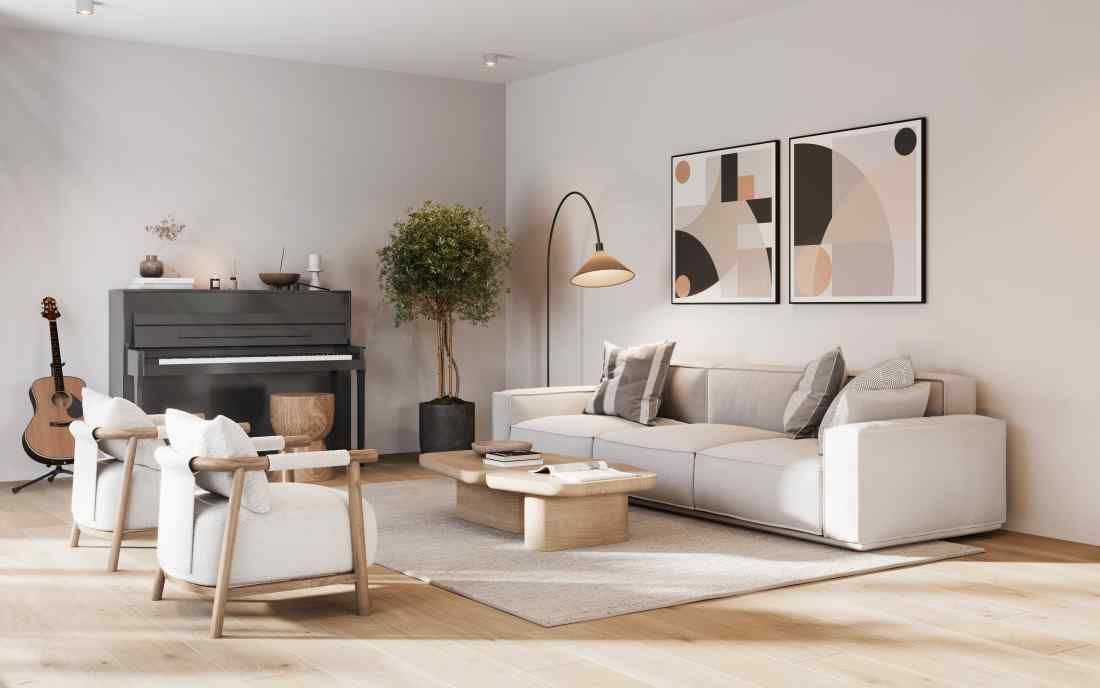
In today's fast-paced urban landscape, small apartments have become a prevalent choice for individuals seeking convenience and efficiency without sacrificing style. However, maximizing the potential of these compact living spaces requires ingenuity and thoughtful design. From clever storage solutions to innovative layout strategies, small-space interior design offers endless possibilities for creating stylish and functional urban retreats. In this comprehensive guide, we'll explore how to transform small apartments into chic havens, with a focus on creative storage solutions that optimize space and enhance livability.

Embracing Multifunctional Furniture for Small Space Interior Design

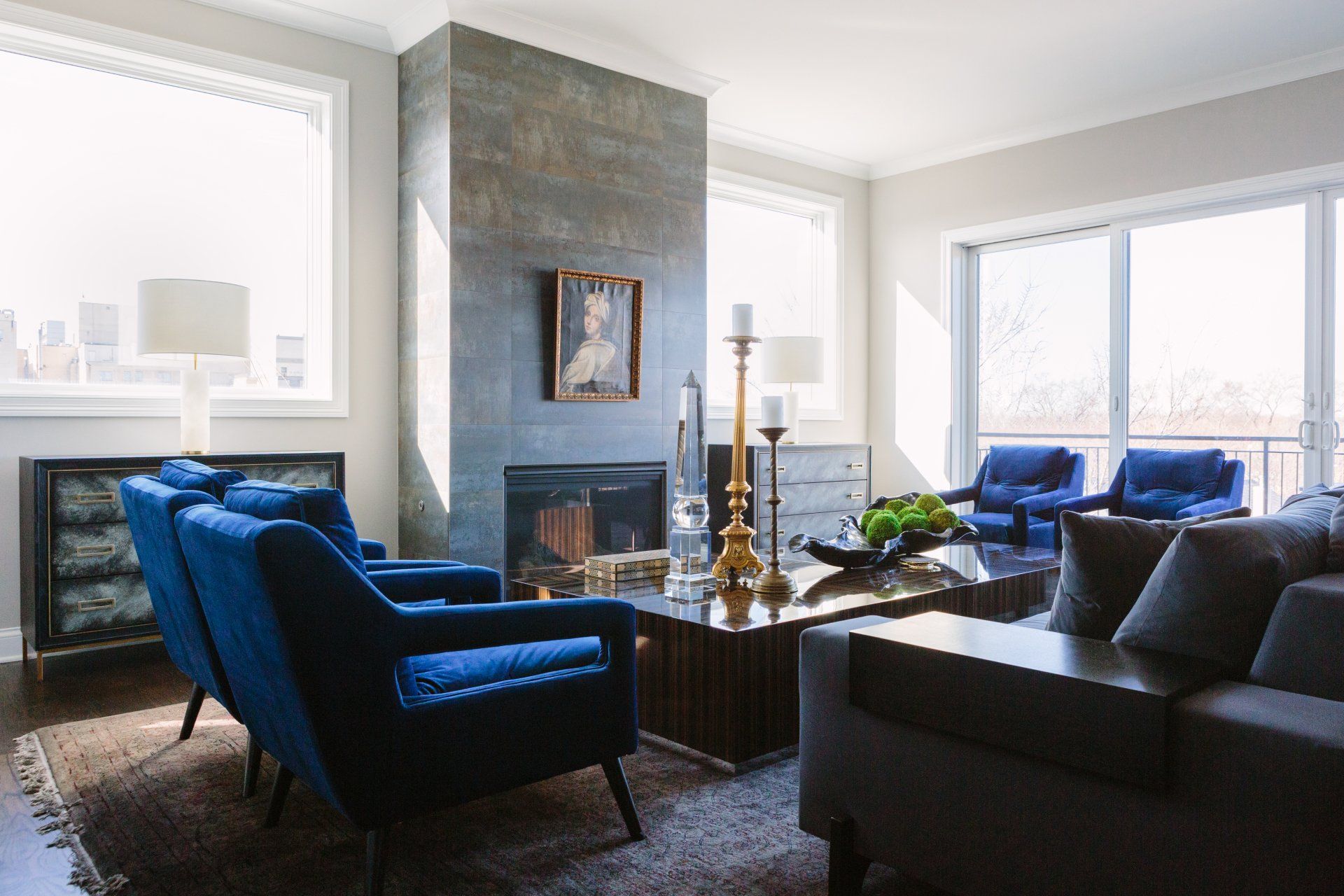
Small-space interior design begins with the principle of maximizing functionality without compromising style. Multifunctional furniture is the cornerstone of this approach, offering versatility and adaptability in compact living spaces. From sofa beds that seamlessly transition from seating to sleeping areas to coffee tables with hidden storage compartments, these innovative pieces optimize space and enhance the usability of small apartments. By selecting furniture that serves multiple purposes, you can create a cohesive and functional living environment without sacrificing aesthetics.

Scale and Proportion: Achieving Balance in Small Space Interior Design

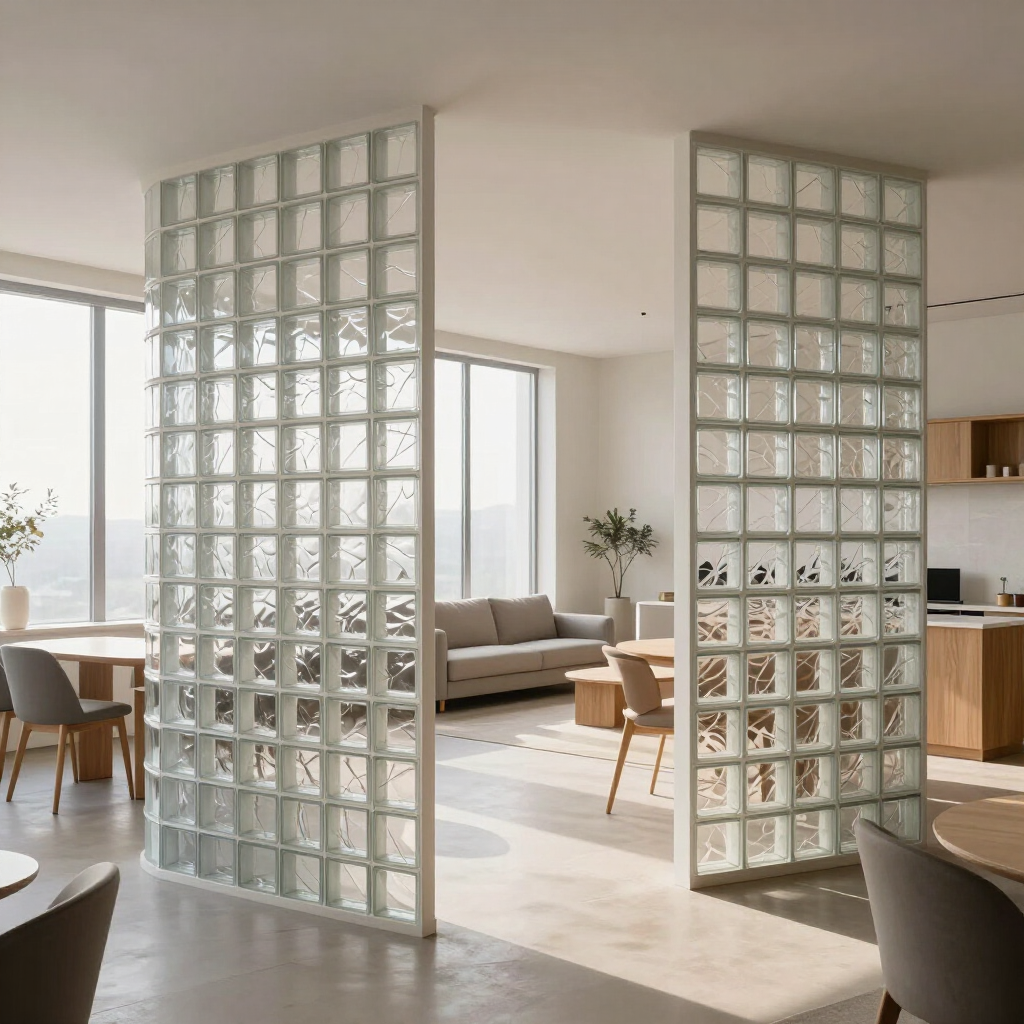
Achieving harmony in a small apartment requires careful consideration of scale and proportion. Avoid overwhelming the space with oversized furniture, as this can make the apartment feel cramped and claustrophobic. Instead, opt for pieces that are appropriately scaled to the size of the room, allowing for easy circulation and visual balance. By striking the right balance between scale and proportion, you can create an environment that feels spacious and inviting, despite its limited square footage.

Harnessing Light to Expand Small Space Interior Design

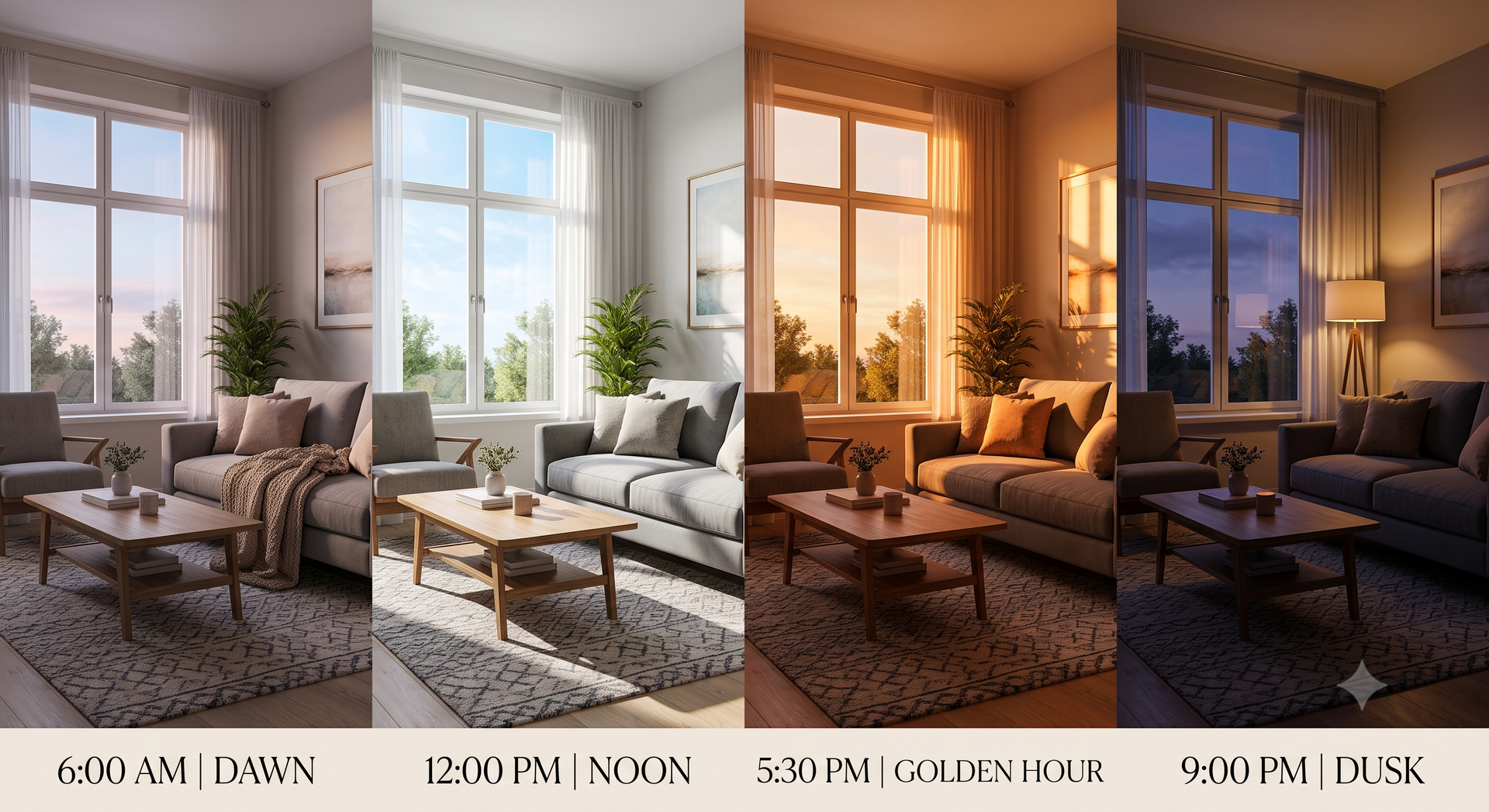
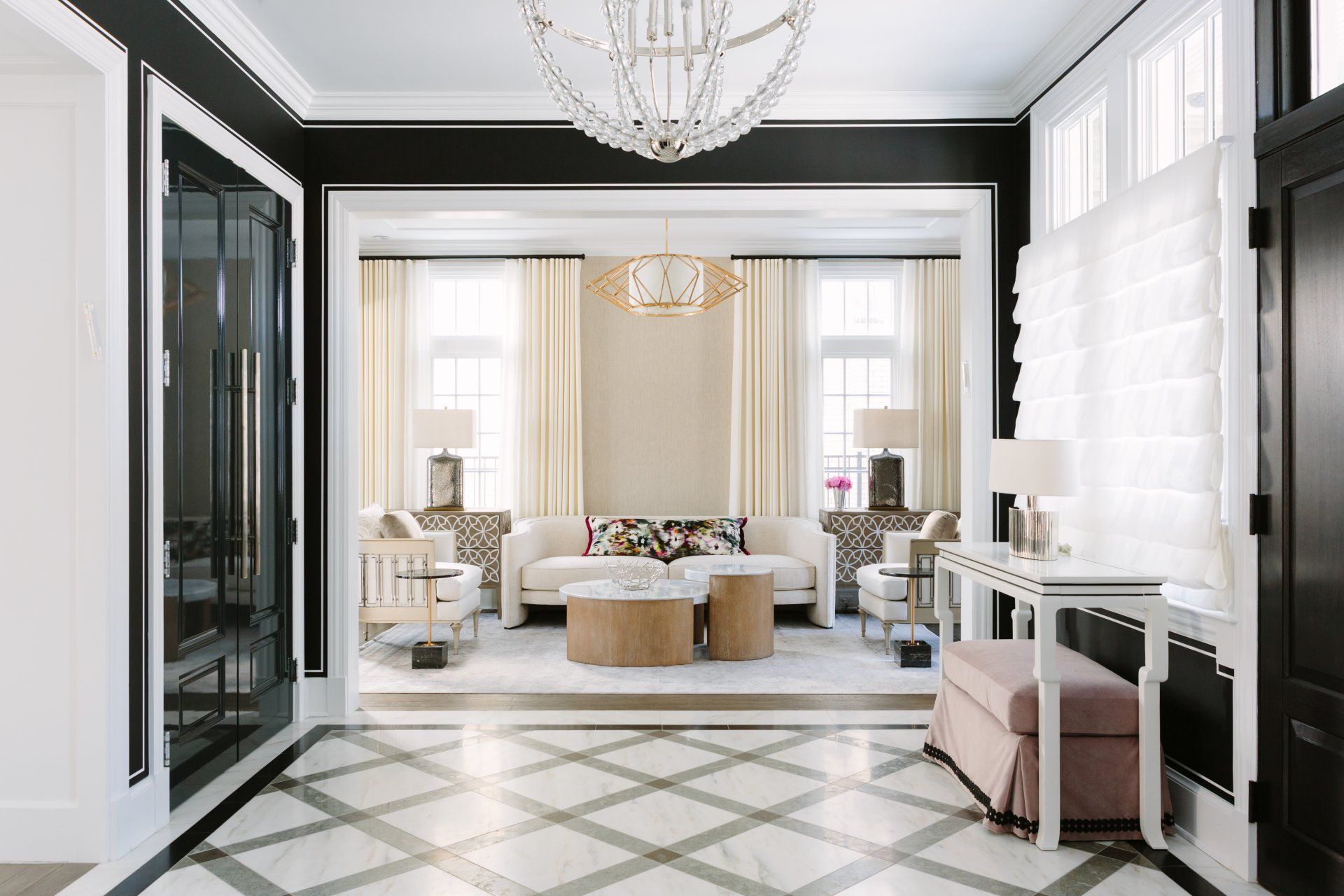
Lighting plays a crucial role in small space interior design, enhancing the ambiance and perceived size of a room. Maximize natural light by keeping window treatments minimal and opting for sheer curtains or blinds that allow light to filter through. Supplement natural light with a variety of lighting sources, including overhead fixtures, floor lamps, and task lighting. By layering different types of lighting, you can create depth and dimension within your small apartment, while also illuminating dark corners and creating a warm, inviting atmosphere.

Mirrors: Creating Illusions of Space in Small Space Interior Design

Mirrors are indispensable in small space interior design, offering a simple yet effective way to visually expand a room. Strategically placing mirrors can bounce light around the apartment, making it feel brighter and more spacious. Consider incorporating a large mirror on one wall to amplify natural light and create a focal point, or use smaller mirrors to create visual interest and enhance the overall aesthetic. By harnessing the reflective properties of mirrors, you can transform even the smallest of apartments into airy, light-filled sanctuaries.

Innovative Storage Solutions: The Key to Small Space Interior Design

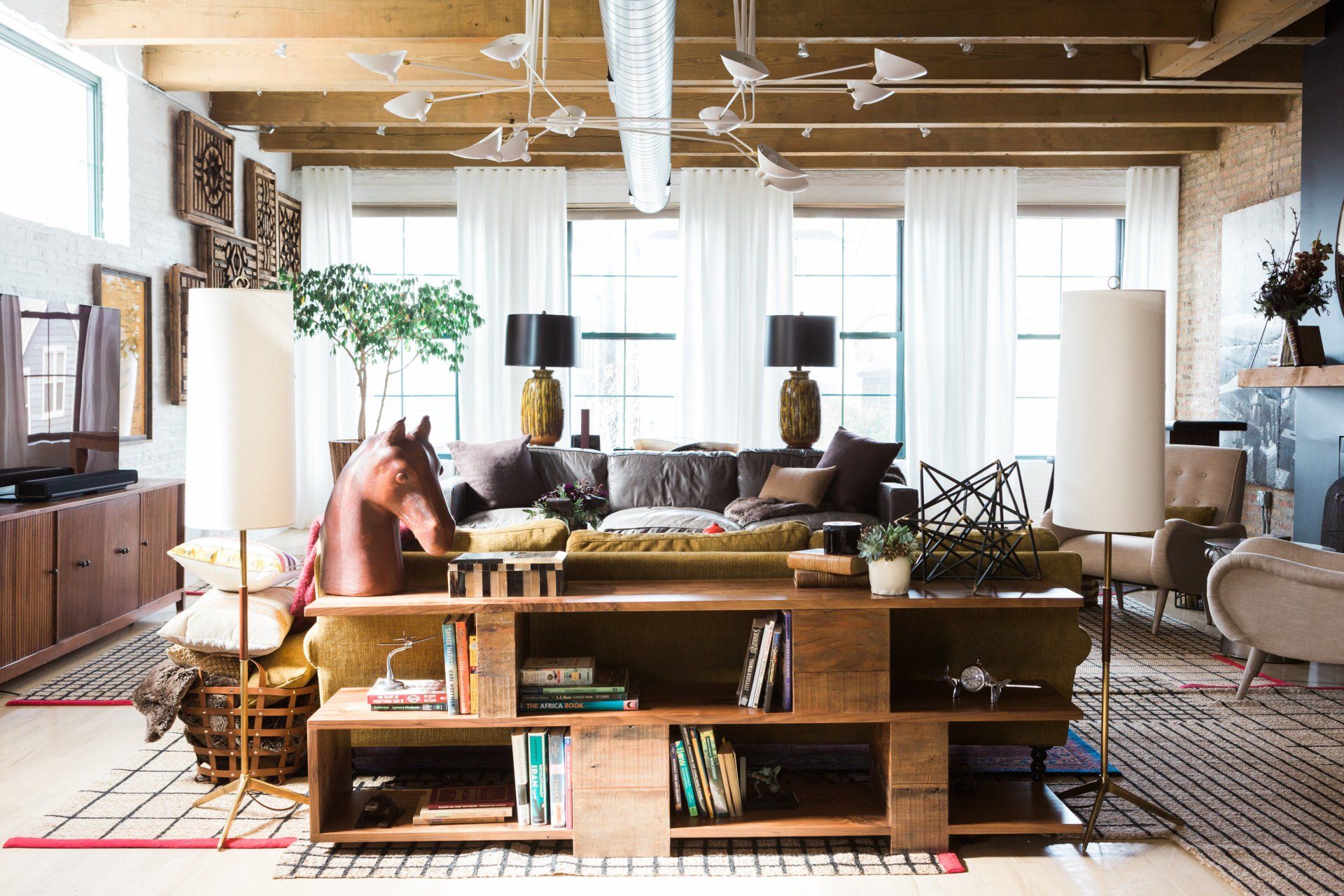
Storage is often a challenge in small apartments, but with creativity and resourcefulness, it can be overcome. Wall-mounted shelves, floating cabinets, and under-bed storage are excellent options for maximizing space without sacrificing style. Additionally, consider investing in furniture pieces that double as storage solutions, such as ottomans with hidden compartments or coffee tables with built-in storage. By thinking outside the box and maximizing every available inch of space, you can create a clutter-free environment that feels organized and inviting, without compromising on style.

Infusing Personality with Color and Texture in Small Space Interior Design

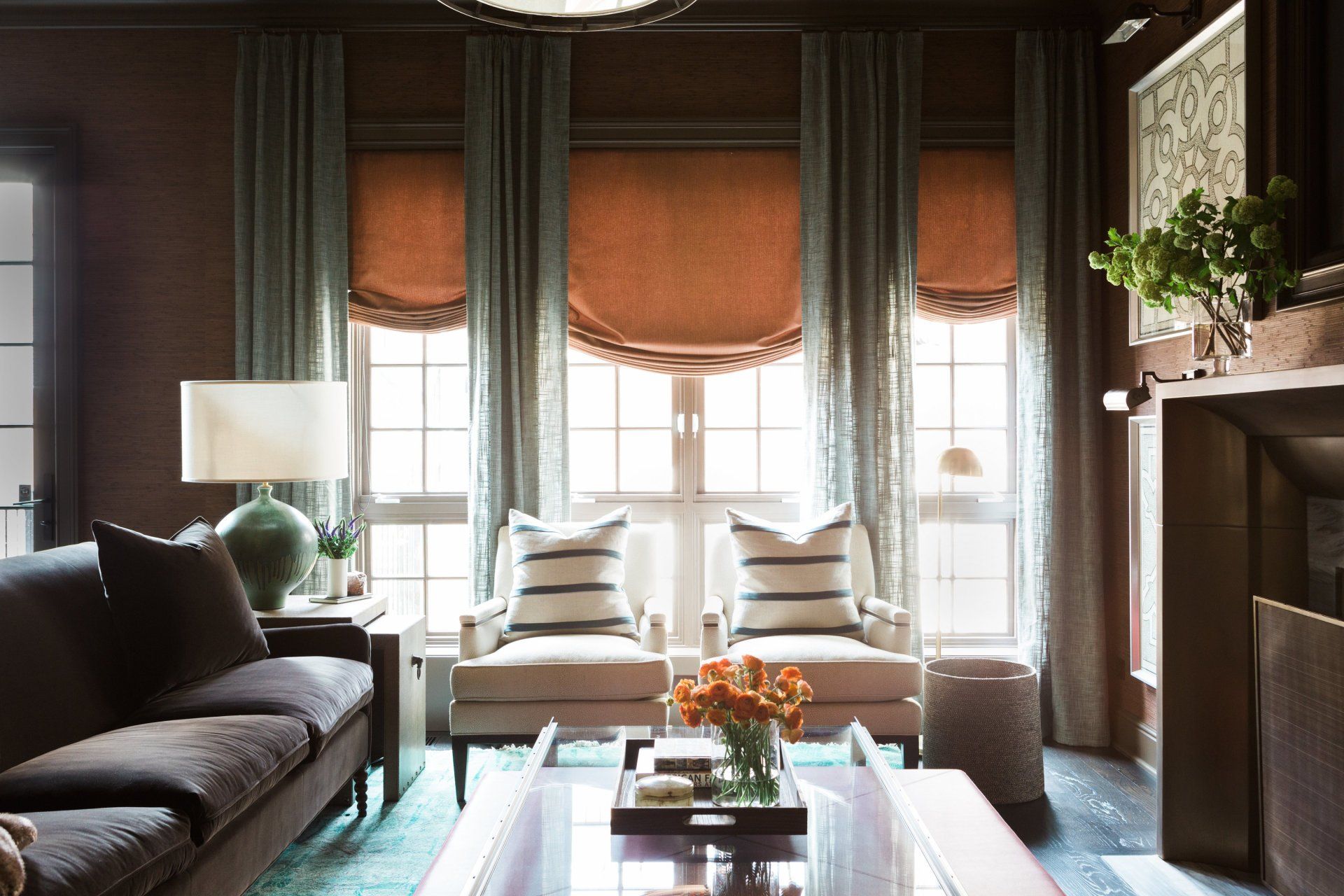
Small apartments offer the perfect canvas for expressing your personal style and creativity. Infuse personality into your space with pops of color and texture that reflect your unique taste and preferences as a part of small apartment design. Opt for light, neutral colors to create a sense of openness and airiness, and then layer in bolder hues and textures through accents like throw pillows, rugs, and artwork. Consider incorporating tactile elements such as plush fabrics, natural materials, and tactile finishes to add depth and visual interest to the apartment. By embracing color and texture, you can create a dynamic and visually engaging environment that feels distinctly yours.

Conclusion

Small-space interior design presents a wealth of opportunities for creativity and innovation. By embracing multifunctional furniture, paying attention to scale and proportion, harnessing light, utilizing mirrors, and incorporating innovative storage solutions, you can transform even the most compact of spaces into stylish and functional urban retreats. So, dare to dream big, and let your small apartment make a big impact. With the right design approach and a bit of creativity, the possibilities are endless.

March 9, 2026
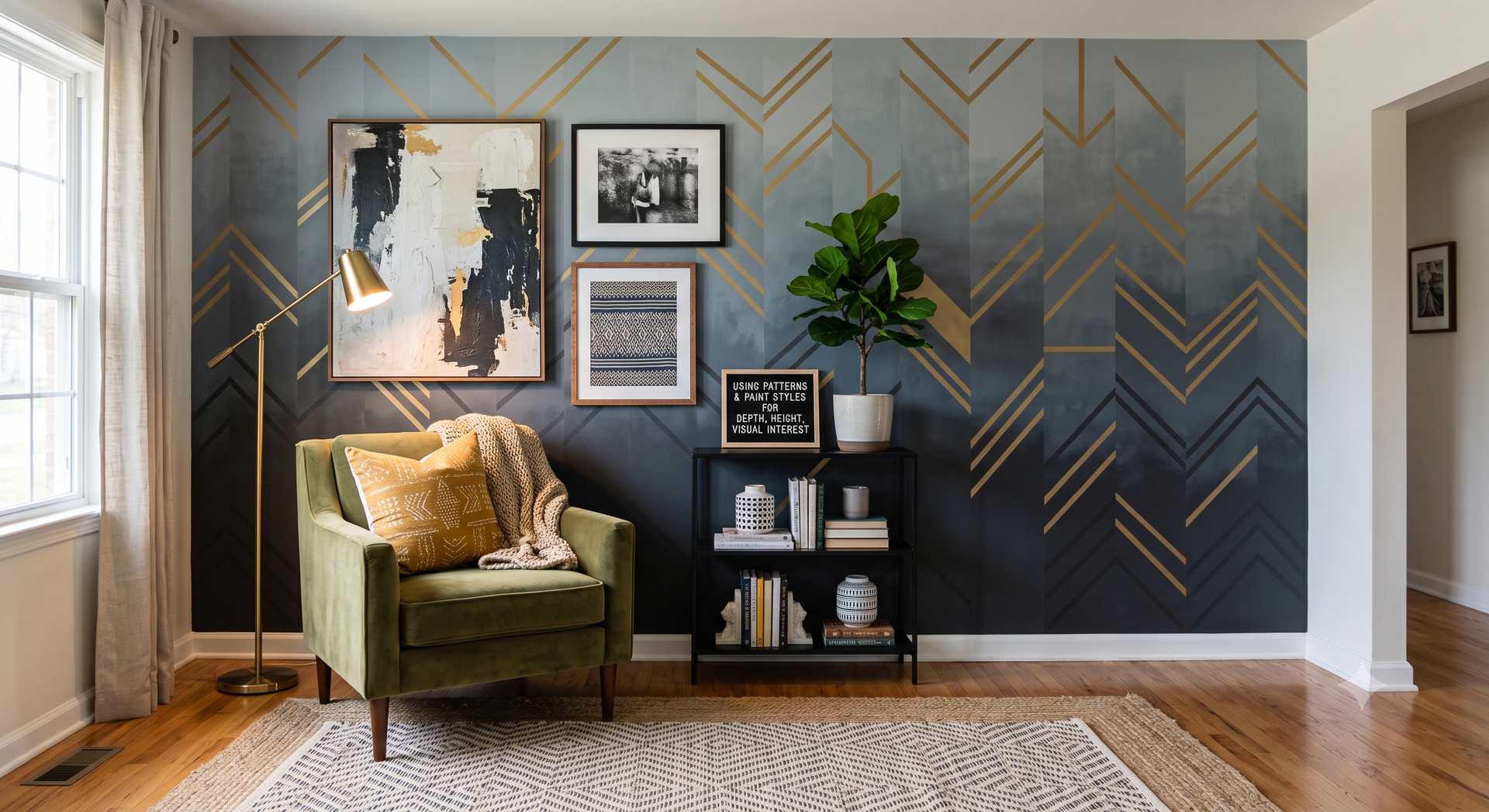
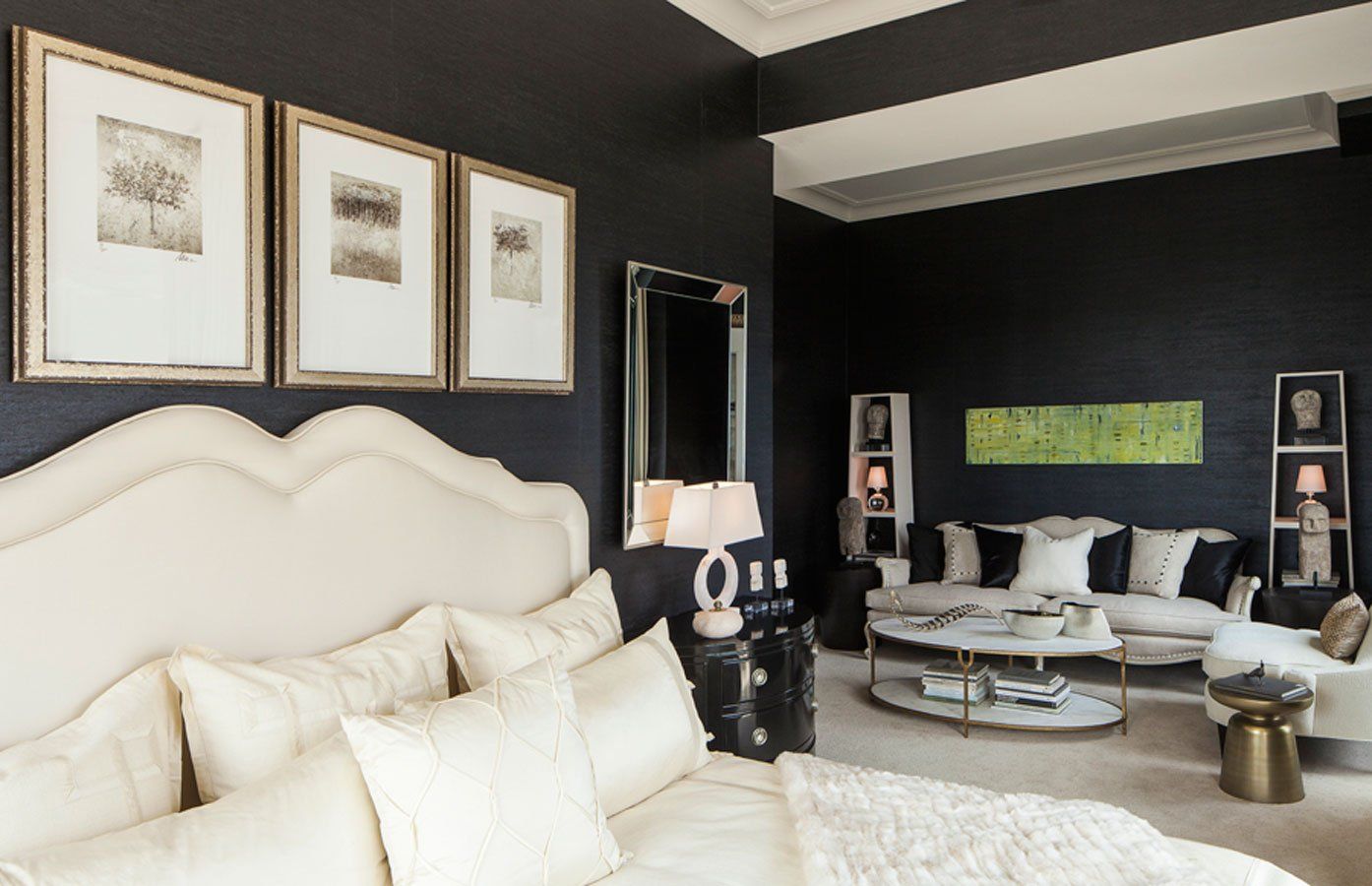
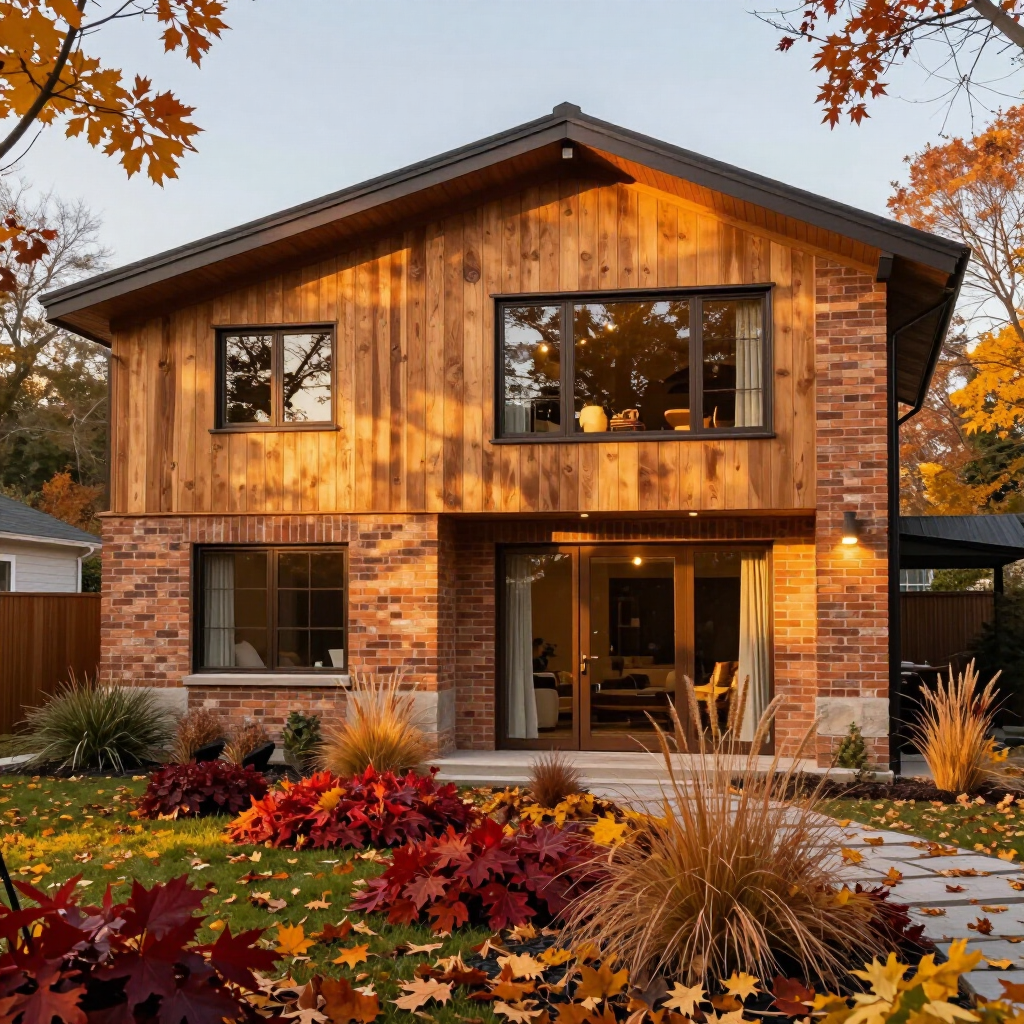
Dramatic design means confident choices that create mood, contrast and intention. A deep paint tone, a sweep of velvet or a statement light fixture can shift a room from standard to striking. If you’re designing or renovating your home, you can build drama step by step. Build with bold colors, layered textures, thoughtful lighting and a few unforgettable pieces for a result that feels curated. Start With a Bold Color Palette Color sets the design heartbeat before furniture or decor even enters the room. Dark, saturated hues instantly add depth and sophistication, so consider inky neutrals like charcoal, deep navy or true black. Jewel tones — emerald, sapphire and ruby — bring richness without feeling flat. Instead of limiting color to four walls, try painting the ceiling for a cocooning effect. An inky ceiling paired with lighter walls creates contrast and draws the eye upward. You can also add drama with high-contrast trim. Dark interior trim against lighter walls graphically frames doors and windows. Using dark trim and features creates a moody statement, showing how contrast adds structure and visual weight without overwhelming a space. If you’re nervous about going dark, start small. A powder room, home office or hallway offers a contained area where bold pigments feel intentional rather than risky. Layer Rich and Luxurious Textures Dark colors feel inviting when paired with tactile materials. Texture prevents a moody space from looking flat. Sumptuous Fabrics Velvet drapes, upholstered headboards and plush sofas soften sharp lines and absorb light in a flattering way. The fabric’s subtle sheen gives walls and windows a sense of movement. Historically, pile textiles date back thousands of years, with early examples found in ancient Egypt and even in fourth-century carpets from Siberia. That long legacy explains why plush-piled velvet still signals depth and elegance. Pair it with silk or satin accent pillows for contrast. A faux-fur throw at the end of a bed or over an armchair adds a touch of indulgence. Natural Materials Balance soft fabrics with rustic or grounded elements drawn from nature. Dark-stained wood and dramatically veined marble paired with matte black or aged brass hardware anchor a space. In a kitchen, consider a waterfall island with bold stone. In the bathroom, choose a vanity in a deep wood tone with metallic fixtures. The interplay between organic materials and rich color creates tension, making a space feel like a story yet to be told. Master Moody Lighting Lighting shapes the interplay of colors and textures. A single, poorly chosen overhead light fixture can flatten shadows that could have elevated a room's ambient feel from dull to dramatic. Layered lights build a mysterious atmosphere. Start your design with a statement piece. A sculptural chandelier or oversized pendant draws attention and establishes the mood. Add wall sconces to create a warm glow along darker walls. Floor and table lamps fill in shadows and make textures glisten with intention. Control your light by installing dimmer switches wherever possible. Even a simple lamp swap from cool white to warm-toned bulbs can transform how a room feels. Extend the Drama to Your Exterior Spaces A cohesive look starts beyond the doorway. The exterior offers its own canvas for dramatic choices. Garage doors in particular take up significant visual space outside your home. Bold and moody hues are gaining popularity, with deep blues and dark charcoal trending for hiding wear and showing off metallic hardware and lighter siding. Complement the opening with backlighting or sconces to welcome visitors and showcase the gleam of designed hardware. Echo interior drama outside with matte black light fixtures, dark-framed windows and even a striking front door. Repeating tones across spaces ties the entire property together. Garden features like ironwork gates, weathered stone features and amber-toned lanterns that add depth and a hint of mystery. Moss, patina and aged finishes contribute character that feels established rather than staged. Finish With Unexpected Statement Pieces The final layer of drama comes from one or two memorable elements. Oversized interior artwork can extend to dramatic pieces on an outside feature wall. A large ornate mirror reflects light and amplifies the mood. Sculptural furniture, a curved sofa on the veranda or a carved console with planters can as easily move inside to support a canopy bed as the focal point in a bedroom. Choose indoor and outdoor plants with dark foliage or dramatic silhouettes to reinforce the theme. Restraint matters, especially with mirrors, where one striking piece is much better than five competing ones.  Bring It All Together Dramatic design rests on four pillars — bold color, layered texture, intentional lighting and standout pieces. You don’t need to overhaul every room at once. Start with a single choice, like inky walls in a study, velvet drapes in a living space or a charcoal garage door that contrasts with light siding. As you build on those designs, your home will feel cohesive, confident and unmistakably yours.
February 25, 2026
Scrolling through endless design inspiration or staring at color choices at a paint store can be overwhelming. Without direction, it can be tricky to establish your space’s aesthetic. The key is to look inward. Instead of copying a trend, develop a home design that reflects your personality and supports your lifestyle. Answer these questions to uncover your style. 1. What's the Feeling You Want When You Walk in the Door? The entryway sets the emotional tone of your home and serves as your transition from the outside world to your sanctuary. Think in terms of feelings, not just styles, when designing it. Do you want to feel a “peaceful sigh of relief,” a “jolt of creative energy,” a “warm, cozy hug,” or a sense of “sophisticated calm and order”? If you look forward to a sense of escape and tranquility, your home’s design personality may fit the Naturalist. If you want to be enveloped in a sense of comfort and timelessness, your home likely leans toward the Historian. However, your home is probably the Minimalist if your goal is to find clarity and an uncluttered peace of mind when you walk in your home. 2. Which Colors Are You Naturally Drawn to? Color is a powerful mood influencer. For example, yellow can energize and enhance mental activity , while blue evokes tranquility and a sense of inner reflection. Look beyond basic colors. Compare crisp neutrals, earthy shades, airy pastels and dramatic jewel tones, then determine which draws you in the most. If you prefer colors inspired by forests, beaches, deserts and other natural landscapes, your home may fall into the Naturalist. Attraction to rich, deep and layered colors suggests you have a Historian’s love for drama and elegance. If your home gravitates toward a controlled, calming palette, you have the Minimalist’s desire for simplicity. 3. How Do You Use Your Space? A beautiful room that doesn’t support your needs will always feel wrong. If you’re a social entertainer, you might need plenty of open space and seating. A comfy armchair and soft lighting are essential for any bookworm, while a well-equipped kitchen is the heart of the home for someone who loves cooking. Prioritizing personal hobbies and quiet, restorative activities at home suggests a Naturalist style. If you view your home as a warm, welcoming backdrop for connecting with others, you lean toward the Historian style. Seeing your home’s layout as a tool for living more efficiently points to the Minimalist. 4. Which Materials Make You Feel at Ease? Materials provide a tactile and visual experience. Assess your preferences. Some people like the coolness of metal and glass, while others value the softness of plush textiles like velvet and wool. If you like biophilic design, you likely prefer natural materials , like wood or stone. A desire for varied, organic textures that appeal to the senses points toward the Naturalist, while an appreciation for materials that gain character and patina over time leans into the Historian. If you prefer the polish of smooth, uniform surfaces, you have the Minimalist’s love for sleekness and order. 5. Where Would Your Home Be if It Were a Travel Destination? This is a creative way to assess the vibe you want to create. If you’re imagining a “breezy Santorini villa,” you can’t go wrong with white walls, natural textures and pops of blue. Floral patterns, plush furniture and warm wood are must-haves for a “cozy English cottage,” while minimalist lines and industrial materials define a “sleek urban loft.” Your home’s design personality is the Naturalist if your dream destination is about escaping into nature. If your go-to getaway is rich with old-world charm, it’s a sign of the Historian style. If your ideal retreat is a sophisticated and efficient urban center, your home will lean towards the Minimalist. 6. Do You Prefer Items With a Story or Brand-New Pieces? Your answer indicates whether you value history and character or a clean, modern feel. Does your heart beat faster at a flea market, imagining the history of a vintage dresser, or do you prefer the sleek look of a brand-new cabinet straight from the showroom? If your focus is on authenticity and craftsmanship regardless of its age, your home’s design style is the Naturalist. Believing that objects should possess a soul and a unique history is characteristic of the Historian. A preference for the clean perfection of new items points toward the Minimalist. What Your Answers Say About Your Design Personality Determine your home’s design persona based on your answers. The Historian You love items with a story, are drawn to classic patterns and appreciate the quality of natural materials, like leather and dark wood. The Historian values timelessness and craftsmanship. You believe a home should feel curated over time, not bought in a day. This love for the past isn’t limited to antiques. It can also mean appreciating historical design movements, like the midcentury modern aesthetic. Covering the period between the mid-1930s and 1960 , it blends polished styles with wooden furnishings, modern materials, clean lines and simple forms. The Naturalist Your home style is Naturalist if you seek tranquility and texture, are drawn to earthy colors and natural materials, and consider a cabin or a beach house your ideal destination. This personality wants to bring the soothing qualities of the outdoors in, whether in the form of natural light and plants or organic materials, like jute, rattan and linen. Color palette is crucial for this vibe. Versatile, calming neutrals are popular, especially in open floor plans. They tie together multiple spaces with a cohesive and calming tone that works well with wood, linen and other natural textures. The Minimalist If you prefer having a place for everything, are drawn to simple solids and prefer brand-new items, you likely crave order and simplicity. The Minimalist values functionality, intention and clean, open spaces. “Less is more” defines this personality, but that doesn’t mean a home that’s empty of visual flair. This style goes well with contemporary design, which often features geometric shapes , accentuated lines and heavy artwork. The key lies in moderation and strategic decor placement. Bring Your Design Personality to Life You don’t have to fit into one box. Feel free to mix different styles to create a layered, personal look. Create a mood board on a corkboard or an app, then pin images that align with your style persona. Use your preferences as a compass for every design choice. The goal is to create a home that’s an authentic reflection of you.
February 19, 2026
While paint colors and furniture get a lot of attention, the floor is truly the foundation of a room’s entire design and feel. In 2026, flooring trends are all about combining personality with performance. Many homeowners are moving toward choices that are both beautiful and practical for their lifestyles. Here are the top trends designers are loving, from the return of classic materials to cutting-edge technological advancements in flooring. 1. Rich and Warm Hardwoods This trend is a return to warmth, a shift away from the cool-toned grays and ultra-light bleached woods that have been popular for the last decade. It focuses on midrange to deep wood tones that feel inviting and timeless. Rich and warm hardwoods connect to a broader desire for cozy, comfortable and natural-feeling interiors, which pair well with biophilic design. Consider these key details and examples: Wood species: White oak remains a top choice, but it’s now being finished with warmer, more natural tones. Walnut, with its deep, rich chocolatey hues, is also seeing a resurgence. Finishes: The trend favors low-sheen finishes, like matte or satin. These hide scratches better than high-gloss and allow the natural grain and texture of the wood to shine. Character wood: There’s a growing appreciation for wood with more natural imperfections — like knots and mineral streaks — which adds unique character and a rustic yet refined look. If this style resonates with you, All American Flooring can help apply it to your home. It’s the premier Dallas-area expert for achieving this classic aesthetic because it specializes in hardwood restaining and refinishing services. Its team can help you customize new floors to achieve a precise custom color or update your existing floors with a new, on-trend warm stain. If you’re wondering where you can buy high-quality hardwood flooring in Dallas, this flooring company also has you covered. 2. Pattern Play and Parquetry The floor is the focal point with this trend, which involves arranging flooring — usually wood, but also tile — in geometric patterns instead of a traditional straight-lay installation. It adds an immediate “wow” factor and a bespoke feel to any room, elevating the floor from a simple surface to a primary design feature. Here are some popular patterns: Herringbone: Rectangular planks are laid in a staggered, interlocking V-shape. It’s a classic, sophisticated pattern often seen in historic European apartments. Chevron: The planks are also in V-shape placements, but their ends are cut at an angle so they meet at a perfect point. This creates a clean, continuous “arrow” effect that can make a room feel longer or wider. Basket weave: The planks are arranged into square modules, with each neighboring square laid in a perpendicular direction. The final look resembles the interwoven pattern of a woven basket, offering a charming, traditional feel. Creating these intricate patterns is not a simple DIY task. It requires incredible precision, skill and expertise to ensure the lines are straight and the design is flawless. Footprints Floors is a great partner for this trend. It specializes in executing complex arrangements, ensuring your investment in materials results in a beautiful finished floor. 3. Natural and Sustainable Materials This popular style centers on flooring made from renewable or recyclable resources, with an emphasis on low-volatile organic compound materials for better indoor air quality. It’s driven by a growing environmental consciousness and a desire for healthier homes. These materials often offer unique aesthetics not found in traditional options, such as: Cork: This is naturally insulating, soft and comfortable underfoot and hypoallergenic. It comes from the bark of a cork oak tree, which is not cut down in the process. Bamboo: Because it regenerates quickly, bamboo is highly renewable. It’s also hard and durable, often stronger than many hardwoods. Reclaimed wood: Salvaged from old barns, factories and warehouses, each reclaimed wood plank has a history, patina and character that’s impossible to replicate. It’s the ultimate in recycling. Embracing this trend is easier with Floor Coverings International , thanks to its mobile showroom. Materials like cork and bamboo often have unique textures and colors that are best viewed in your home’s lighting, next to your own furniture and wall colors, which the service allows you to do. Find the Perfect Foundation for Your Style Flooring today is about personal expression. Whether you’re looking to buy high-quality hardwood flooring for that timeless warmth or embracing sustainability with cork, there are more high-quality options than ever. The best choice is the one that reflects your taste and meets the functional demands of your household. The right floor is more than just a material — it’s the canvas on which life’s moments are painted, setting the stage for a home you’ll love for years to come.
February 19, 2026
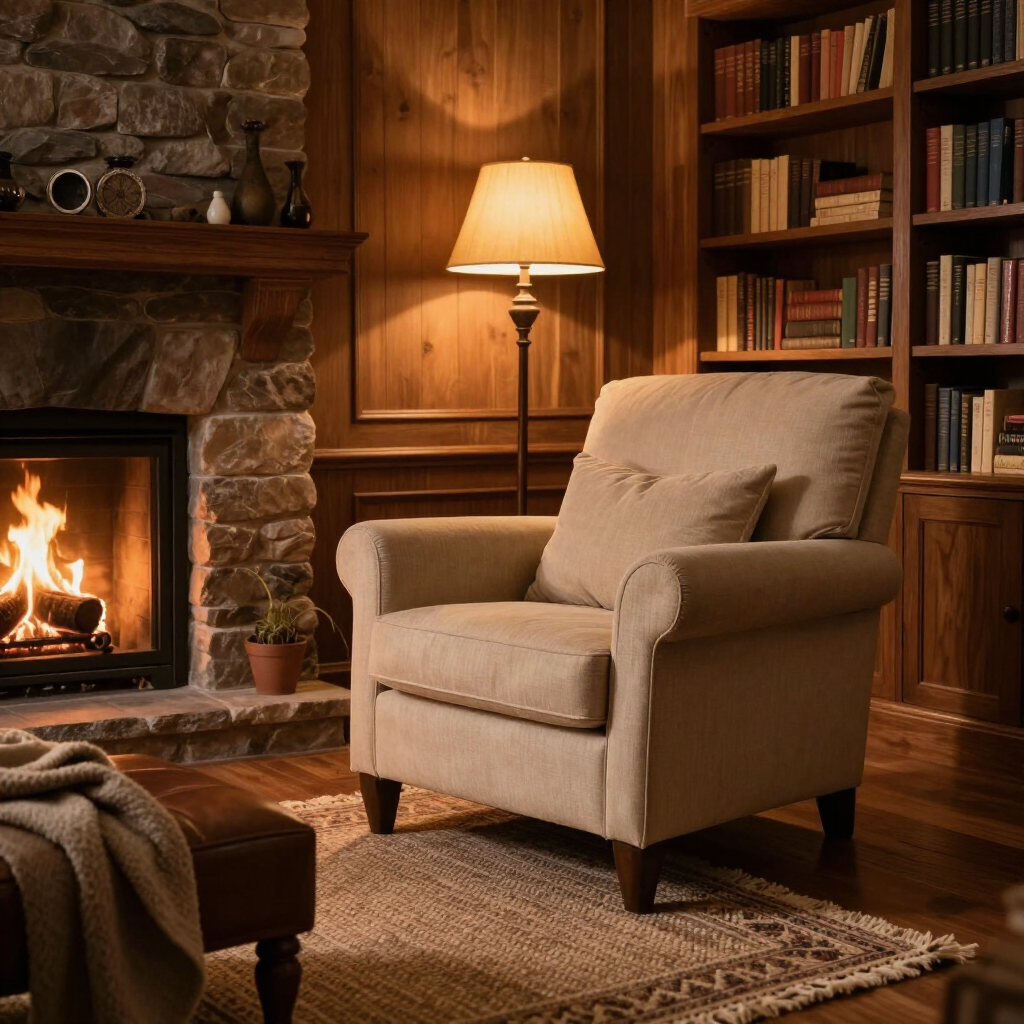
Before anyone notices your coffee table or comments on your throw pillows, they register your color story. The palette you choose does more than set the mood — it quietly governs every design decision that follows. It influences the furniture you’re drawn to, the materials you tolerate, the amount of visual stimulation you can comfortably live with and even how large or intimate your space feels. If you strip your interior design down to its foundation, color temperature is often where the divide begins. On one side, you’ll find frosty minimalism. On the other, toasty maximalism. And while most homes fall somewhere between the two, your palette choice usually reveals which direction you instinctively lean. Frosty Minimalism vs. Toasty Maximalism Frosty minimalism tends to favor cooler tones, such as crisp whites, muted blues, soft charcoals, pale sage and occasionally icy blush or lavender. These colors create clarity and visual calmness , enhancing focus. They reflect light, enhance architectural lines and minimize distraction. The effect is controlled, restrained and intentional. In contrast, toasty maximalism leans into warmth. Think terracotta, ochre, rust, deep emerald, burgundy, caramel, chocolate brown and layered jewel tones. These hues absorb light rather than bounce it back. They create intimacy and make a room feel collected, layered and emotionally expressive. The difference is atmospheric. Cooler palettes expand space and quiet it. Warmer palettes condense space and energize it. And once you commit to one temperature direction, your decor naturally follows. How Palette Choice Shapes Your Entire Interior Color isn’t just a finishing touch. It’s a framework, and once it’s established, it influences nearly every element in your home. Furniture Selection A cool, frosty palette pairs naturally with streamlined silhouettes. You’ll likely gravitate toward furniture with clean lines, minimal ornamentations and neutral upholstery. Light oak, ash, blackened steel, matte finishes and glass all harmonize with cooler schemes. Ornate carving or heavily textured fabrics can feel visually loud against a restrained palette. In a toasty minimalist space, furniture becomes more sculptural and expressive. Rounded shades, velvet upholstery, carved wood, vintage prices and statement chairs feel at home. Walnut, brass, antique gold and richly stained woods complement warm palettes. In this setting, contrast is welcomed rather than avoided. Texture and Material Choices Cool-toned minimalism often embraces materials that reinforce simplicity , like linen, cotton, plaster and light woods. Surfaces tend to feel matte or softly reflective rather than glossy. Texture is subtle, not dominant. Warmer maximalist interiors rely heavily on texture for depth. Think velvet drapery, patterned rugs, embroidered cushions, aged leather, dark woods and mixed metals. Layering is intentional and visible. The room is meant to feel tactile and dimensional. Lighting Decisions Lighting behaves differently depending on color temperature. In minimalism, natural light is often prioritized. Sheer window treatments, reflective surfaces, and strategically placed mirrors enhance brightness. Artificial lighting tends to be soft white or cool-neutral to maintain the clean aesthetic. Maximalism thrives under warm, golden lighting. Table lamps, sconces and layered ambient lighting create pools of glow that deepen the richness of warm hues. In these interiors, lighting is less about maximizing brightness and more about creating atmosphere.  Art and Decorative Objects In cooler minimalist spaces, art is often oversized and restrained. A single large abstract piece, black-and-white photography or minimal line drawings reinforce simplicity. Decorative objects are curated and sparse. Negative space is intentional. In maximalist interiors, walls can become storytelling canvases. Gallery walls, mixed frames, layered textiles, bold prints and collected objects all coexist. Warm palettes provide cohesion even when patterns and eras vary. Perception of Space Cool colors visually recede, making rooms feel larger and more open. This is one reason frosty minimalism often appeals to apartment dwellers or those seeking a sense of spaciousness. Warm colors advance, making rooms feel closer and more intimate. In larger homes or high-ceilinged spaces, toasty maximalism can make rooms feel grounded and inviting. Design Ideas Across the Spectrum If you lean toward frosty minimalism, anchor your space in layered whites, cool grays and soft charcoal, then introduce quiet contrast through matte black fixtures or pale woods like ash and white oak. Incorporate sculptural lighting, simple ceramics and one oversized piece of art rather than multiple smaller accents. Keep surfaces intentional and uncluttered. For those who appreciate warmth but don’t want to commit fully to saturated maximalism, taupe white is an exceptional choice. It’s a warm, welcoming hue that combines soft beige and gray undertones. It carries an earthy calmness that softens a space without overwhelming it. If you’re drawn to toasty maximalism, begin with a warm base such as terracotta, ochre, caramel or deep olive. Layer upholstered seating in jewel tones, incorporate walnut or richly stained woods, and introduce brass or antique gold accents for depth. The Palette Is the Blueprint Ultimately, your color palette is the quiet authority behind every design choice you make, shaping how your home looks and how it feels to live in. Whether you gravitate toward cool, frosty tones that create clarity and openness or warm, toasty hues that build intimacy and depth, that temperature decision becomes the foundation of your home decor.
February 5, 2026
Every year, the interior design world pauses to see what direction color trends might take next. When Pantone announced its 2026 Color of the Year as Cloud Dancer, the reaction was immediate and divided. Some designers welcomed the calm, airy tone. Others saw it as a step backwards after years of richer, more expressive palettes.  For homeowners planning a renovation or refresh, the bigger question is practical rather than theoretical/ Does this muted, off-white tone mean minimalist interiors are about to dominate again? If so, do you have to follow? What Is "Cloud Dancer?" Cloud Dancer — or PANTONE 11-4201 — sits firmly in the soft neutral family. Pantone describes it as gentle, atmospheric and restorative. It’s a shade meant to suggest pause and comfort rather than drama. Visually, it reads as a diaphanous white with gray undertones, closer to mist than to bright gallery white. The intent is clear. After years of visual noise and saturation trends, the color signals restraint. The message, however, has not landed well with everyone. Industry commentaries include polite skepticism and outright disappointment, and many designers view the selection as underwhelming. Homeowners value color-forward interiors and are not keen on any return to blank-feeling spaces. Recall 2025 and the Reign of Warmth and Personality The frustration around Cloud Dancer makes more sense when you look at recent interior design history. Over the past few years, interiors have moved decisively away from cool grays and stark whites. Homeowners embraced warmer, moodier palettes that felt personal and lived-in. Recently, fall pigment trends pointed to deep, comforting hues like terracotta and brick red that signaled familiarity and warmth to match Mocha Moose — the 2025 Color of the Year. Compared with those saturated, expressive tones, Cloud Dancer feels almost withdrawn. The contrast is sharp enough that you may see it as an invitation to rewind the clock to minimalism. Why You Don't Have to Follow the Leader Pantone's Color of the Year is often treated like a rulebook, but it isn't one. It's a signal, not a directive. Cloud Dancer may reflect a collective craving for calm, yet that doesn't mean your home has to drift toward sparse rooms and barely-there palettes. One reason neutral trends gain so much power is because of long-standing myths about color that scare homeowners into “neutral” territory. Perhaps you still believe lighter shades are the only way to make a space feel open, or that bold tones will automatically overwhelm a room. That thinking lingers even though it no longer reflects how designers and painters actually work. Challenging views on core interior color rules point out that dark shades, layered palettes and non-white ceilings can all work beautifully when balanced with light, texture and flow. The goal is to create a space that feels intentional and personal. Cloud Dancer does not override that, and you shouldn't read it as permission to erase color, contrast or warmth from your home. Instead, Pantone's Color of the Year 2026 can become the canvas upon which you create a lighter and more energized style. 5 Ways to Use Cloud Dancer Without Being Boring If Cloud Dancer pleases you, but you want to avoid a bland result, treat it as a supporting player. Pantone's own palette guidance leaves plenty of room for expression: Place it quietly with bolder choices: Cloud Dancer works best when it steps back. Use it on walls to give visual breathing room to statement furniture, oversized art or dramatic lighting. Pair it with muted color: Avoid minimalist-white interiors by pairing them with powdered pastels, dusty blues or softened greens for dimension and a relaxed mood. These chromatically diverse combinations speak of thoughtful selection that eliminates sterile spaces. Warm it with organic materials: Immediately shift the tone from sterile to lived-in with natural wood, woven textures, stone and plants. A pale backdrop soon becomes inviting. Introduce contrast through depth: Deep accent colors, aged metals or rich fabrics prevent Cloud Dancer from dominating the room. Contrast adds weight without tipping into visual chaos. Use it selectively: A single room or surface can benefit from a lighter neutral. That doesn't require your entire home to follow suit. Each of these approaches keeps your palette open and expressive, even when the base stays calm. The Verdict: Is Minimalism Making a Comeback? It's easy to read Pantone’s 2026 pick as a swing back toward minimalist interiors — especially after years of warmer, more personality-driven spaces — but trends rarely move in straight lines. Instead, they overlap, react and adapt. Just recently, designers were celebrating deeper, comforting hues that leaned into familiarity and warmth. That shift simply made room for another option. Cloud Dancer sits alongside those colors, not in opposition to them. Introducing the airy, atmospheric tone may bring some relief to overly saturated visual scapes. The almost-white hue may read as fresh and clean when paired with supporting pastels or rich metallic tones. A Bigger Takeaway Cloud Dancer may reflect a cultural moment that values pause and ease, but it doesn't demand a return to pale, stripped-back interiors. Minimalism is a choice, not your default setting. Neutral colors only become boring when they're treated as the whole story instead of the background. Your home still gets to feel warm, layered and unmistakably yours. Trends can inform your decisions, but they shouldn't limit them.
February 5, 2026
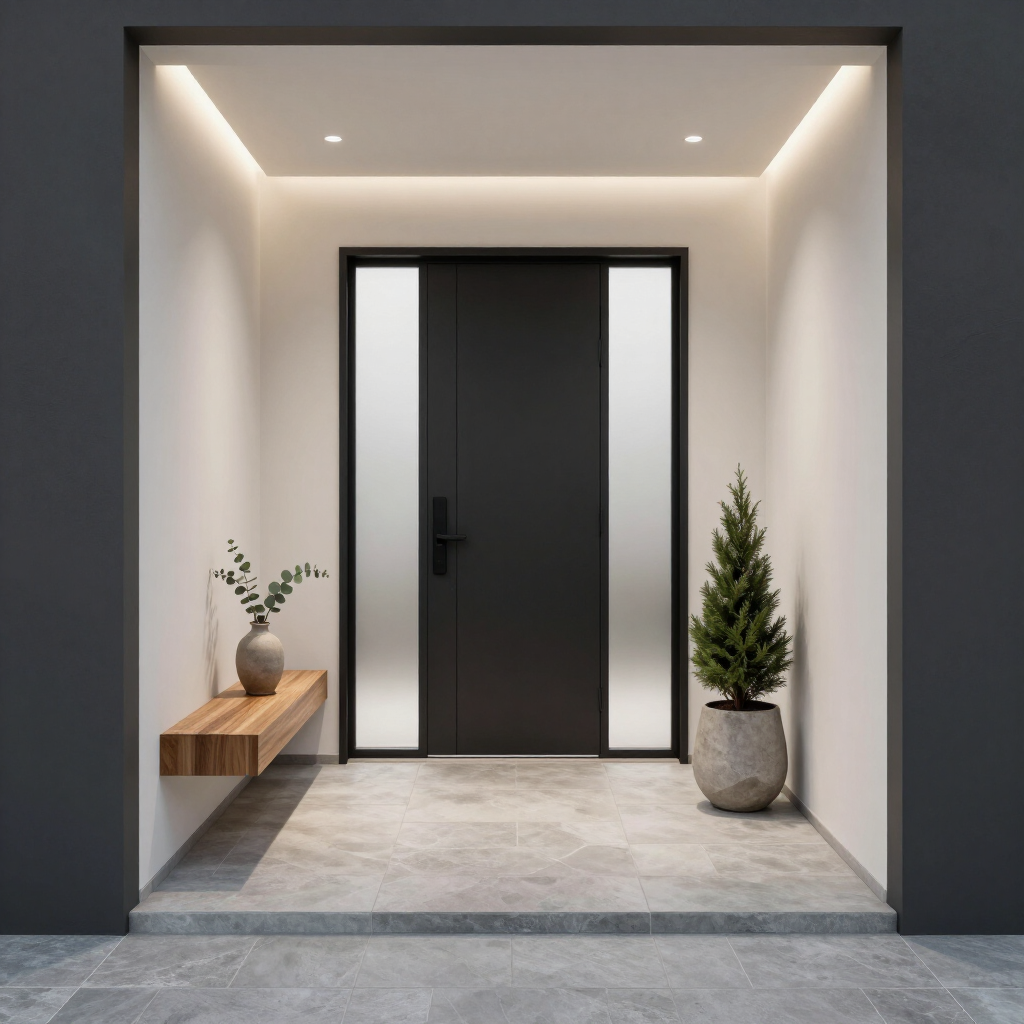
You see a stunning, all-white living room on Instagram, but the thought of having your dog, your kids or even a cup of coffee near it causes instant anxiety. Designing your home shouldn’t be about creating a flawless showroom. It’s about crafting a place that serves as a functional and loving backdrop for your real life. Make choices that support your routines, reduce stress and bring you joy. Here’s how to bridge the gap between aesthetics and reality when designing your home.  Define Your Unique Lifestyle Understanding your unique lifestyle helps answer the “why” behind every design decision. Without this clarity, you’re just decorating instead of designing. Follow these steps to understand your “why”: Visualize your day: Determine where the chaos erupts to identify your “friction points.” Is it the morning scramble to get to the door or the after-school homework explosion on the kitchen table? Consider your hobbies and passions: A painter needs a dedicated corner with good lighting, while a baker needs accessible counter space. A family of movie lovers needs a comfy sofa and good blackout curtains. Think about what you love to do and what that requires. Factor in your social life: Assess how your home needs to function for guests. You might need flexible seating if you often host big, casual get-togethers or a large functional dining area if formal dinner parties are more your style. Keep a home journal for a week. Take note of where you instinctively drop your keys, where clutter often accumulates and what parts of your home make you feel happy and at ease. Map the Flow of Your Home “Traffic flow” represents the typical pathway people walk through a room or from one room to another. Good home design keeps these paths clear. Think of your rooms not as single spaces but as collections of functional zones. For example, every home needs a spot by the main entrance to handle the transition from outside to inside and vice versa. This zone typically includes a place for keys, mail, shoes and coats to prevent them from migrating further into the house. Make your spaces work harder, especially if you don’t have the luxury of single-use rooms. A dining table can be a homework hub with a small cabinet with school supplies nearby and dimmable overhead lighting that works for both work and meal times. Choose Finishes and Furniture That Fit Your Lifestyle Making smart furnishing investments pays off in lower stress and maintenance. Here are the main factors to consider. Prioritizing Durable Materials Your lifestyle should dictate your material choices. If you have pets, choosing the right surfaces for flooring, paint and fabrics is key to maintaining a clean and stylish home. Durable, easy-to-clean and scratch-resistant surfaces are best for pet owners and can make life easier. Semi-gloss or satin paint finishes are also perfect for parents and pet owners, as they’re hard to damage and can be wiped clean. Similarly, furniture with performance fabrics can resist stains, moisture and fading. Balancing Form and Function Consider modular sofas and shelving units. You can reconfigure these pieces as your life changes. For example, you can divide a large, modular sectional into two smaller sofas if you move or want sitting areas in two different rooms. Choose multi-functional pieces, like coffee tables with drawers, lift-tops for hidden storage and entryway benches that double as shoe cubbies. Ensure your furniture choices leave clearance to avoid a cramped or cluttered feeling. Master Organization for a Calmer Home Organization creates visual calm and saves time when you’re looking for a particular item. Follow the “a place for everything, and everything in its place” mentality. Items that you use daily should be in the easiest-to-reach cabinets, while seasonal or rarely used things can go in less accessible storage. Extend your organization throughout your home. Vertical storage takes advantage of your walls, keeps your floors free and makes it easier to grab your frequently used items. You can also take advantage of another underused space by installing a countertop over front-loading washers or dryers to create a surface for managing laundry. Infuse Your Personality into the Design Make your space a true reflection of who you are. Choose colors that influence your mood and energy. For example, green fosters a deeper connection to nature , making it ideal for rooms where you want to relax, like bedrooms and living rooms. Meaningful items add more “you” and help make your house a home, so display things that hold personal meaning. It can be anything from a gallery wall of candid family photos to a collection of rocks from favorite hikes or a display of cookbooks from a beloved grandparent. Also, incorporate personal touches to engage your senses. Place a signature-scented candle on your coffee table, drape a soft throw blanket on the sofa or set up smart speakers with a calming playlist ready. Create a Haven That’s Uniquely Yours Reflecting your lifestyle in your home is an act of self-care, so move from a house that you simply live in to a home that lives for you. Understand your story and daily flow and tame clutter in every space. Surround yourself with colors and objects you love. Remember that the goal is to create an evolving space that grows with you.
January 28, 2026
You can make your outdoor spaces lively and inviting all winter long. With a few simple touches, patios, gardens and poolside areas can shine with color, warmth and personality, staying cozy and enjoyable in cooler months. Vibrant textiles, thoughtful lighting and eye-catching design elements instantly brighten the space. Practical additions, such as heaters or protective covers, help you enjoy your outdoor areas comfortably throughout the season. 1. Layer With Textiles for Visual and Physical Warmth Even in chilly weather, textiles can make your outdoor seating areas feel welcoming. Brightly patterned cushions, throws and outdoor rugs can draw the eye and add a sense of personality and charm. Mixing textures and colors can also help define seating areas and make them feel more like an extension of your indoor living space. Color can play a powerful role in this process. Research shows that cool tones like blue and green tend to lift moods and create a calming effect. Warm colors, such as red and yellow, increase energy. By thoughtfully combining patterns, textures and color palettes, you can make your outdoor space both visually engaging and emotionally inviting all winter long. 2. Prepare Seasonal Features Thoughtfully If your outdoor space includes a pool, winterizing it helps preserve its functionality and appearance. It also improves safety by reducing the risk of accidental falls — protecting family members and pets from potential hazards during the colder months. Draining or covering fountains, ponds and pools also protects them from freeze damage. Cleaning and covering fire pits or outdoor kitchens keeps them ready and safe for use when warmer weather arrives. 3. Introduce Eye-Catching Design Elements Adding visual interest through tiles, stepping stones or outdoor art can help a winter landscape feel deliberate and thoughtfully designed. A striking tile pattern, a bold mosaic wall or a sculptural piece can create clear focal points in an outdoor space. These elements help draw the eye and keep the area visually engaging, even when plants are dormant or touched by frost. Well-placed design elements can also improve how you use the space. Stepping stones can subtly guide movement through a garden, while decorative tiles or wall art can define different zones within a patio or courtyard. 4. Brighten the Space with Colorful Lighting Lighting can transform an outdoor area from dull to dazzling. Consider installing string lights, lanterns or LED fixtures in bold colors to make your patio or garden pop. Warm-toned lights can create a cozy atmosphere, while colored bulbs may add playful accents that catch the eye from inside your home. Using lighting to highlight pathways, planters or architectural features can make your outdoor space feel intentional and inviting, even on the grayest winter days. Consider ENERGY STAR-certified LED lights, as these use roughly 75% less energy than incandescent bulbs and can last up to 25 times longer. These qualities also make LEDs a strong choice for environmentally conscious home design. 5. Keep Spaces Functional With Practical Additions Spending time in nature improves cognitive function , stimulates brain activity, lowers blood pressure and enhances overall well-being. Consider using heating sources, such as a fire pit, patio heaters or heated seating, to help extend the space's use during colder months. Even portable heaters can make a chilly evening more comfortable, allowing you to host gatherings or enjoy quiet moments outdoors. To further enhance comfort, windbreaks, outdoor curtains or partial enclosures can help reduce exposure to cold air. Weather-resistant furniture and storage solutions can also keep the space organized and easy to maintain throughout the season. Extend the Life of Your Outdoor Space Making your outdoor space winter-ready is about balance and combining aesthetic touches with functional elements. Colorful lighting, layered textiles, bold design features and practical heating solutions can bring your space to life and keep it functional year-round. Carefully chosen winter plants can make your patio, deck or garden feel alive and inviting all season long. With these intentional updates, your outdoor areas can remain a source of joy and relaxation, offering views and experiences that brighten even the coldest days.
January 28, 2026
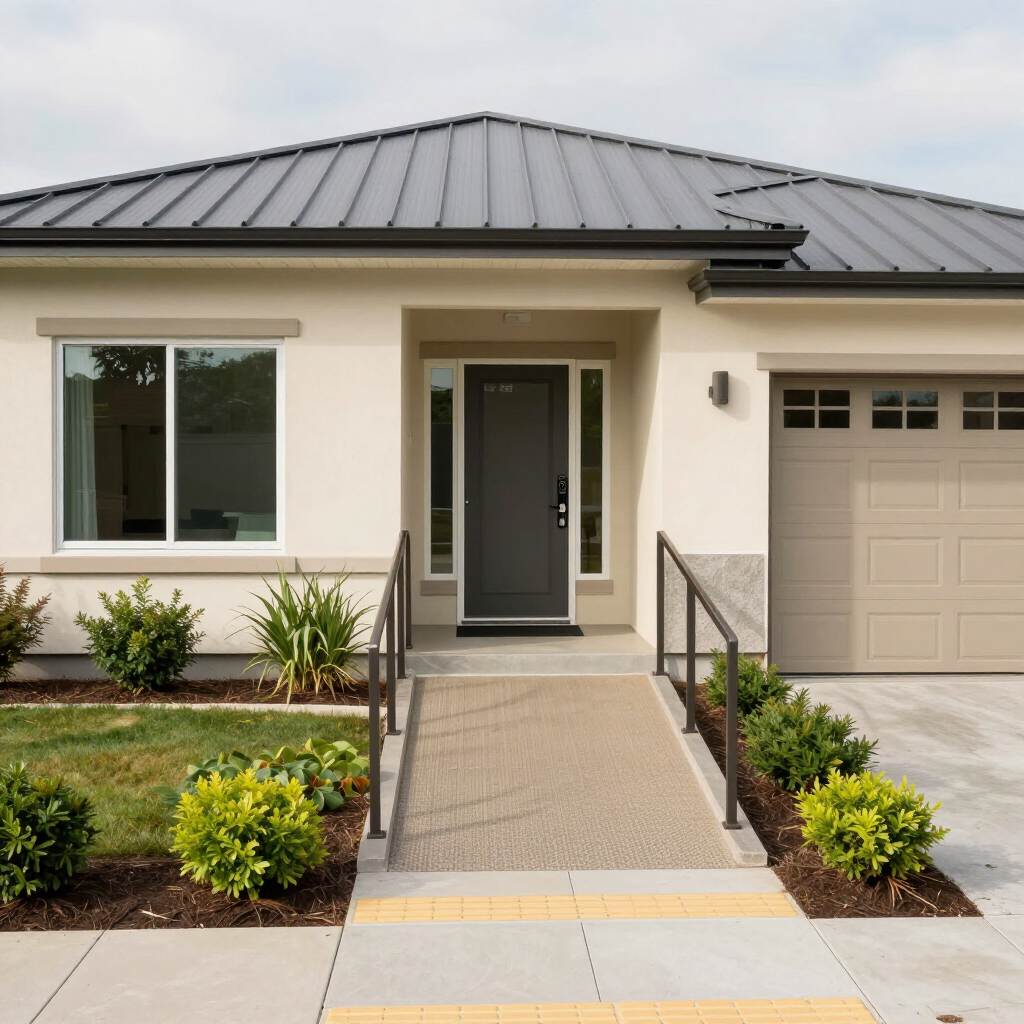
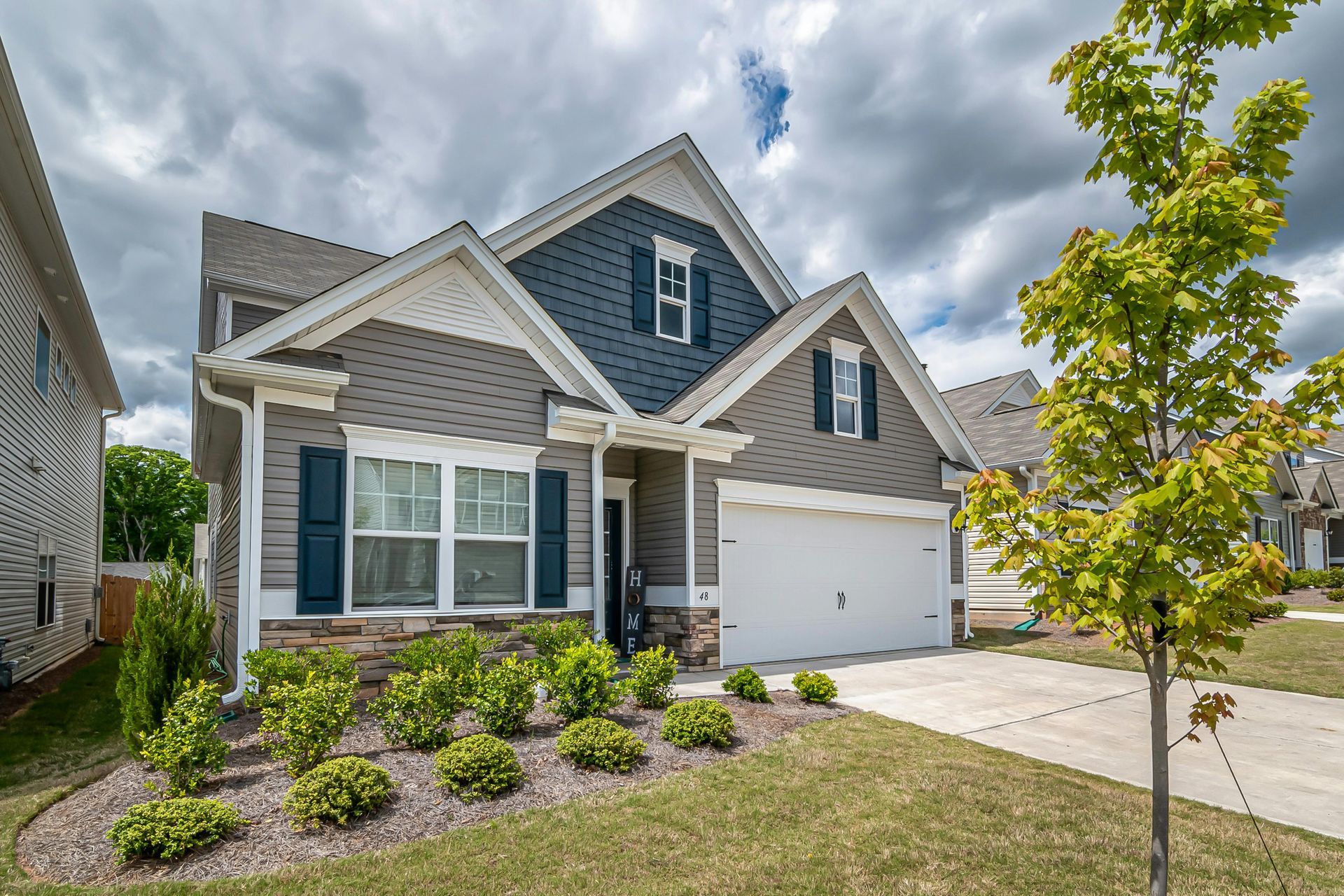
People could feel the vibe and soul of your home before they even step inside the front door. Think about it — the curb and the house’s facade are the first things that greet you when you visit another person’s house. Elevate your curb appeal to create a welcoming atmosphere for guests by diving into these crucial elements. 1. Unify Style and Tech with an Integrated Garage Door System The best way to increase the curb appeal of your home with a garage door is by treating it as a main design feature and not just something functional. After all, garage doors are one of the largest elements you can see on a home’s facade. How can you increase the curb appeal of your home with a garage door? Incorporate designs that complement your home's aesthetic and architecture. For example, choose sleek black ones for minimalist contemporary houses or X-brace ones for homes with rustic farmhouse vibes. You can also customize your own based on materials such as wood, steel, composite or other options. Choose among a diverse collection of high-end and high-tech garage door designs from LiftMaster with Clopay , which brings technology and curb appeal together. Make sure you use them to the fullest by installing wall-mount openers that free up ceiling space and give your home a modern look. Additionally, you can control these garage doors with an app, making going out and coming back home so much easier. 2. Add Drama and Safety with Architectural Lighting Lighting can make or break your home's curb appeal — think of it as jewelry for your facade. It bridges your home's interior to its exterior and brings the place to life, especially at night. Wall lights brighten up homes at night and ensure security. On the other hand, accent wall lighting creates a distinct, comforting mood and step accents help people see where they’re going without harsh overhead light. Known for its quality and wide range of outdoor lighting, Kichler has plenty of options depending on your home’s needs. You can choose lighting based on aesthetic, functionality, safety or security. 3. Create Living Architecture with Curated Landscaping One of the best ways to show your home’s overall style is to devote energy to your landscaping, creating blossoming gardens or maintaining a unified front yard image. Curated landscaping is about caring for your greenery and using it as key architectural points. You can create structure and texture as well as use color to complement your home’s design. Besides aesthetics, landscaping helps maintain your privacy, guide guests toward the front door and soften facade elements. Make sure you find a partner who understands how to correctly set up and layer these elements. With a hundred years of experience, Monrovia is the perfect partner for developing your outdoor space. You can choose among shrubs, perennials, grasses or a mix of these three to decorate your home. Your Home's Style Story Starts at the Curb Investing in your home’s facade and outdoor space brings a strong ROI. Start by boosting your home's curb appeal with garage doors. Invest in high-quality doors with a matching design. Adding outdoor ambient lighting and curating front gardens and yards are other ways to improve curb appeal. Make sure you view homes’ exteriors not just as an addition but as an essential part of your home. Try one of these methods and see how much change it can bring.
January 19, 2026
The white chocolate minimalism trend has taken over the interior design world by storm in recent years. This aesthetic has graced celebrity home tours and countless Pinterest inspiration boards. Before you redesign your home, let’s take a trip down memory lane and explore what white chocolate minimalism offers and whether its reign has passed. What Is White Chocolate Minimalism? The white chocolate minimalism trend coincided with the COVID pandemic, when everyone was simplifying their lives and choosing things that matter most. Since then, the trend has remained strong, adorning many homes and designs worldwide. Think of cream sofas, beige wallpapers, frost-white countertops and ivory decor. Besides shades of white, the design trend also features clean lines and layers, as well as an emphasis on light and space.
January 19, 2026
Keeping your home organized shouldn’t feel challenging. January is the perfect time to revamp your interior decorating. You could have storage systems ready to go for the rest of the year after one or two quick projects. Consider some practical, stylish solutions to find new ideas that work in any living space. 1. Matching Painted Cabinets Your kitchen and bathroom cabinets likely already hold plenty of belongings, but do they complement the paint color around them? Covering your cabinets in the same shade as the surrounding walls will elevate your interior decorating. If you add storage hooks on the inside of each door or underneath the cabinets, you’ll add more places to keep things. Even if your cabinets become cluttered over time, the extra paint color could keep your stress low. Shades of blue and green reduce a person’s anxiety , so you may not feel as tense around household messes with more of those colors in your life. 2. Hanging Baskets Some homes have tricky empty spaces like alcoves. If you want to maximize your organization options, hang baskets around your house. They come in all sizes, so they’ll fit in those tougher spots where furniture and picture frames can’t. You’ll also layer your home’s design with a new texture if you don’t currently use baskets for storage. 3. Setback Shelves Fill empty wall space without making your house feel smaller by building setback shelves. The shelving units are better for small items because they use only the space behind your drywall. They also make use of vertical space, which is often underutilized , and make rooms feel bigger, adding a fresh style while creating additional shelving. Meet with a contractor to map any existing electrical cords and studs if you want to install built-in shelves in a specific room. 4. Magnetic Fridge Shelves If you want a quick organization solution on a budget, look into shelves that attach to the outside of your fridge. The strong magnets can hold things like spice containers, large utensils and other things you’d otherwise keep on your countertops. Magnetic shelves come in a variety of styles so you can match them to your existing interior design. Your kitchen will become a more organized place without breaking the bank. 5. Chalk Pen Labels Labels are essential in any organized living space. You could use them to label food storage containers in your pantry instead of branded packaging. The average American buys groceries once a week , but you may not need to update your labels often if you purchase the same food regularly. Labels may also be helpful inside cabinets or on bins in your closet. Turn them into more stylish spaces by using chalk pens on the labels. You can get creative with colors and make your labels look like a professional artist stopped by to upgrade your home’s aesthetic.  6. Wicker Storage Containers Many homeowners keep things under their beds when they can’t find any other room for large belongings. If you’re tired of seeing fabric bags or plastic bins beneath your bedframe, swap them with wicker storage containers. The natural texture gives any room a professionally designed feel. You may not mind seeing the bins peek out from your bed, transforming a current storage headache into an enjoyable part of your house. Organize Your Home With Ease You don’t need a big budget to organize your belongings more stylishly. Think about which solutions would look best in your house while meeting your storage needs. Whether you install setback shelving or paint your cabinets, your home will start 2026 with a refreshed vibe.
Show More