3 Flooring Trends Designers Expect to See This Year
February 19, 2026

While paint colors and furniture get a lot of attention, the floor is truly the foundation of a room’s entire design and feel. In 2026, flooring trends are all about combining personality with performance. Many homeowners are moving toward choices that are both beautiful and practical for their lifestyles. Here are the top trends designers are loving, from the return of classic materials to cutting-edge technological advancements in flooring. 


1. Rich and Warm Hardwoods

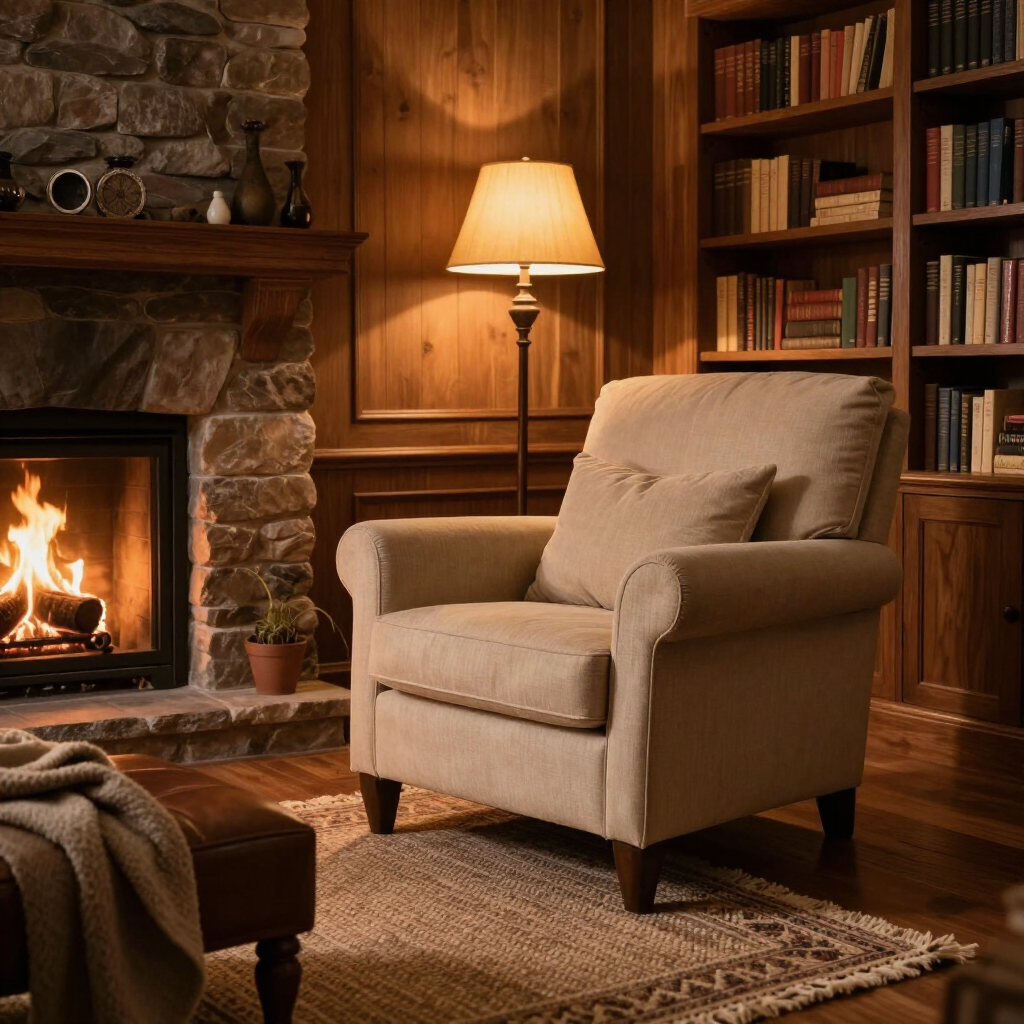
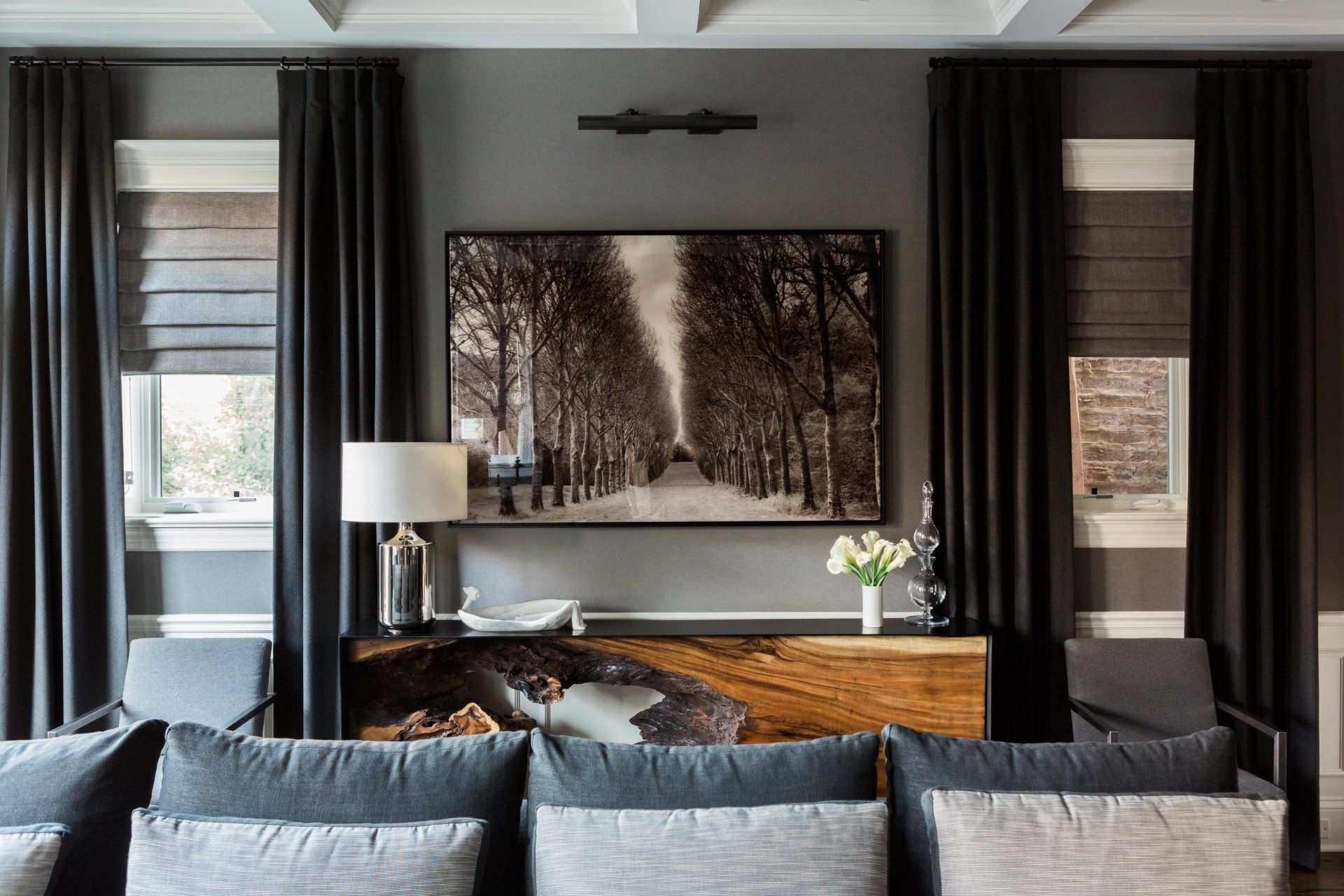
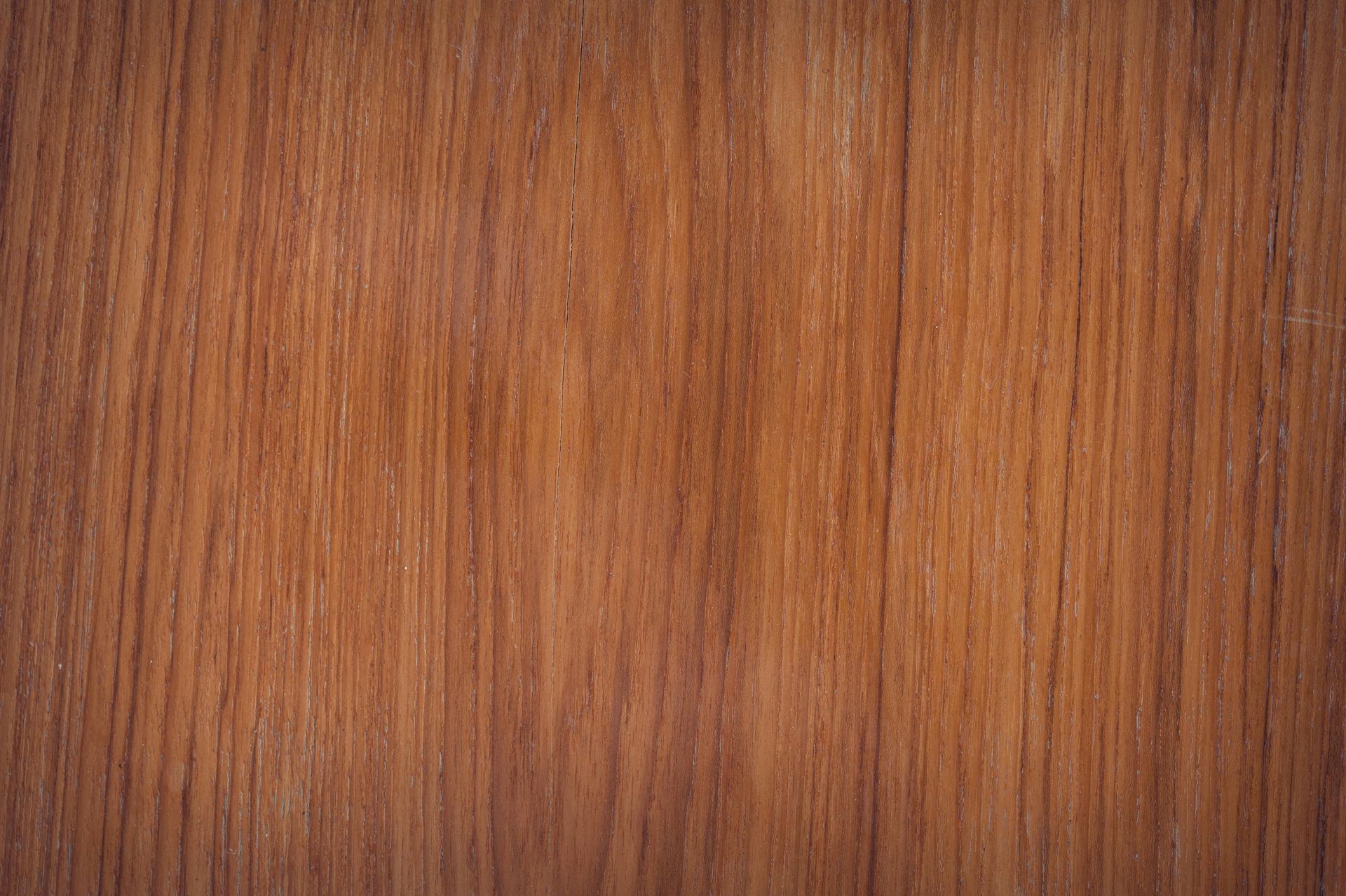
This trend is a return to warmth, a shift away from the cool-toned grays and ultra-light bleached woods that have been popular for the last decade. It focuses on midrange to deep wood tones that feel inviting and timeless. Rich and warm hardwoods connect to a broader desire for cozy, comfortable and natural-feeling interiors, which pair well with biophilic design. Consider these key details and examples: 

  • Wood species: White oak remains a top choice, but it’s now being finished with warmer, more natural tones. Walnut, with its deep, rich chocolatey hues, is also seeing a resurgence. 
  • Finishes: The trend favors low-sheen finishes, like matte or satin. These hide scratches better than high-gloss and allow the natural grain and texture of the wood to shine. 
  • Character wood: There’s a growing appreciation for wood with more natural imperfections — like knots and mineral streaks — which adds unique character and a rustic yet refined look. 


If this style resonates with you,
All American Flooring can help apply it to your home. It’s the premier Dallas-area expert for achieving this classic aesthetic because it specializes in hardwood restaining and refinishing services. Its team can help you customize new floors to achieve a precise custom color or update your existing floors with a new, on-trend warm stain. If you’re wondering where you can buy high-quality hardwood flooring in Dallas, this flooring company also has you covered. 


2. Pattern Play and Parquetry

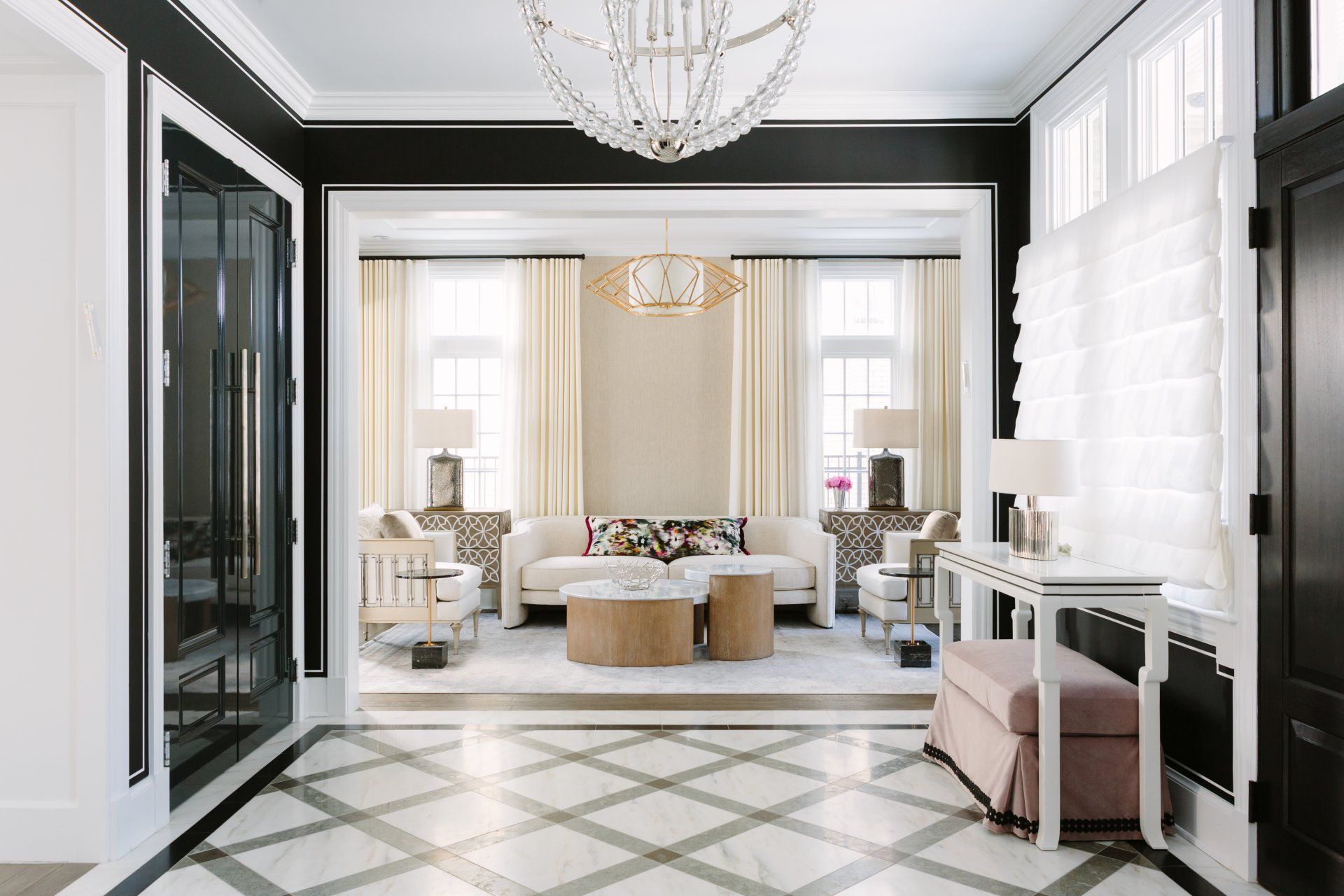
The floor is the focal point with this trend, which involves arranging flooring — usually wood, but also tile — in geometric patterns instead of a traditional straight-lay installation. It adds an immediate “wow” factor and a bespoke feel to any room, elevating the floor from a simple surface to a primary design feature. Here are some popular patterns: 

  • Herringbone: Rectangular planks are laid in a staggered, interlocking V-shape. It’s a classic, sophisticated pattern often seen in historic European apartments. 
  • Chevron: The planks are also in V-shape placements, but their ends are cut at an angle so they meet at a perfect point. This creates a clean, continuous “arrow” effect that can make a room feel longer or wider. 
  • Basket weave: The planks are arranged into square modules, with each neighboring square laid in a perpendicular direction. The final look resembles the interwoven pattern of a woven basket, offering a charming, traditional feel. 


Creating these intricate patterns is not a simple DIY task. It requires incredible precision, skill and expertise to ensure the lines are straight and the design is flawless.
Footprints Floors is a great partner for this trend. It specializes in executing complex arrangements, ensuring your investment in materials results in a beautiful finished floor. 


3. Natural and Sustainable Materials

This popular style centers on flooring made from renewable or recyclable resources, with an emphasis on low-volatile organic compound materials for better indoor air quality. It’s driven by a growing environmental consciousness and a desire for healthier homes. These materials often offer unique aesthetics not found in traditional options, such as: 

  • Cork: This is naturally insulating, soft and comfortable underfoot and hypoallergenic. It comes from the bark of a cork oak tree, which is not cut down in the process. 
  • Bamboo: Because it regenerates quickly, bamboo is highly renewable. It’s also hard and durable, often stronger than many hardwoods. 
  • Reclaimed wood: Salvaged from old barns, factories and warehouses, each reclaimed wood plank has a history, patina and character that’s impossible to replicate. It’s the ultimate in recycling. 


Embracing this trend is easier with
Floor Coverings International, thanks to its mobile showroom. Materials like cork and bamboo often have unique textures and colors that are best viewed in your home’s lighting, next to your own furniture and wall colors, which the service allows you to do. 


Find the Perfect Foundation for Your Style

Flooring today is about personal expression. Whether you’re looking to buy high-quality hardwood flooring for that timeless warmth or embracing sustainability with cork, there are more high-quality options than ever. The best choice is the one that reflects your taste and meets the functional demands of your household. The right floor is more than just a material — it’s the canvas on which life’s moments are painted, setting the stage for a home you’ll love for years to come. 
May 21, 2026
Indoor-outdoor flow brings the outdoors in while extending your living space outward. By blending interior and exterior areas, you create more room to breathe, connect with nature and enjoy your home in new ways. Discover how this approach can transform the way you live. The Power of Indoor-Outdoor Living Transitional design blends modern and traditional styles into something cohesive and inviting. Here, it means mixing conventional indoor living with biophilic design principles that connect homes to nature. The result is a home that feels both functional and refreshing. Indoor-outdoor living first became popular in the early 20th century , when sleeping porches were all the rage. Fresh air was thought to help combat tuberculosis, so these spaces were an early example of designing a home to value nature's healing properties. Modern research supports this intuition. Connecting with green spaces reduces stress and anxiety , improves focus and lowers blood pressure. Indoor-outdoor flow also offers extra square footage, a more unified look and extra entertaining possibilities. Here are six ways to make it happen in your home. 1. Make Better Use of Your Garage Your garage is an often-overlooked transition space that is literally the border between inside and outside for many homes. It doesn’t have to be dark or feel closed-in. Modern garage doors are typically best for this look, which can include clear or tinted glass that heightens the connection to the outdoors. This also makes the space more usable and attractive. Streamline the interior aesthetic with the rest of your home, and consider installing flooring that harmonizes with your driveway.  If you want full customization, professional installation and extensive energy-efficiency options, Clopay® has several affordable modern garage doors that would work well for establishing a modern look while reinforcing the indoor and outdoor flow of your home. Its Avante® door has real architectural impact, with a clear full-glass option to let natural light stream into your home. 2. Build a Sheltered Retreat With a Pergola A pergola frames an outdoor space, keeping it airy and open while providing shade, purpose and visual interest. You can use it as a designated gathering area while still feeling connected to the indoors. You can do more than just dine or entertain under a pergola. Consider creating a DIY outdoor cinema by hanging a white sheet as a DIY projector screen and setting up comfortable seating. This transforms your backyard into an experience, perfect for movie nights under the stars. For durable, stylish pergola kits you can assemble and install yourself, many homeowners like Heartland Pergolas ’ options. You can add a rainproof roof, customize your shade levels or have a fully custom kit designed just for you. 3. Extend Your Space With an Outdoor Kitchen An outdoor kitchen effectively extends your home's functional space and flow, making it easier to host gatherings without constantly running between indoors and out. Guests can gather around the cooking area, creating a natural social hub. This upgrade also delivers strong returns. Outdoor kitchens can generate an ROI of between 55% and 200% , attracting luxury buyers while making your daily life more flexible and enjoyable. You don't necessarily need a lot of space or a huge budget to bring your exterior kitchen dreams to life. RTA Outdoor Living provides customized kitchen kits tailored to your space, budget and preferences. 4. Set the Mood With Strategic Outdoor Lighting Proper illumination makes it easier to use your outdoor spaces after dark and enhances their attractiveness. Layered lighting with task, ambient and accent elements transforms a patio into a seamless continuation of your living area. If you're imagining gorgeous landscape lighting with smart controls and hundreds of color options at your fingertips, Outdoor Lighting Perspectives can make it happen. When you can easily adjust the lighting to match the weather, your mood or a gathering, outdoor spaces start to truly feel like an extension of your home. 5. Unify Your Space With Continuous Flooring Using the same or visually similar flooring materials inside and out is a core principle of seamless design. It removes the visual threshold, creating the impression of one continuous space that flows naturally from room to patio. Durable materials, such as porcelain tile, work well for both indoor and outdoor applications across various climates. Suppliers like Daltile offer porcelain pavers in dozens of marble, stone or wood looks to suit all tastes. By extending your flooring, you can dissolve a psychological barrier to indoor-outdoor flow. 6. Cultivate a Living Green Wall While most indoor-outdoor enhancements focus on making exterior spaces more livable, a living green wall does the opposite. It brings the garden inside, creating a powerful visual connection to nature. To see what's possible, take a look at how Plantwalldesign has transformed some homes with green walls of all shapes and sizes. You could also choose preserved moss designs that don't need any maintenance. Designing a Home That Breathes Understanding indoor-outdoor flow can help you design a home that feels connected, flexible and joyful. Whether you start with lighting, flooring or a dramatic glass garage door, each step brings you closer to a home that truly breathes. Imagine the possibilities for your own space and take the first step toward a more open, nature-filled way of living.
May 18, 2026
Colorful kitchens continue to appear in both modern and traditional home renovations. Deep greens, navy blues, warm terracotta and muted pastels can all change the overall feel of the space. While colorful kitchens can add personality and visual contrast, they also require careful coordination between flooring, cabinetry, countertops, lighting, hardware and appliances.  Before committing to bold colors, homeowners should think about how each material and finish will work together throughout the kitchen. Planning ahead can create a space that feels cohesive rather than busy. 1. Consider Flooring Before Choosing Kitchen Colors Flooring often sets the visual tone for the entire kitchen. In spaces with colorful cabinetry or backsplashes, neutral flooring can create balance, while patterns can bring additional contrast and texture. Homeowners should also think about the installation requirements tied to different flooring materials before beginning a renovation. Floating flooring systems, for example, may require additional materials beneath the finished floor surface. Underlayment for Floating Flooring Systems Several types of flooring that require underlayment include laminate, engineered hardwood and floating luxury vinyl plank systems. Underlayment requirements may vary depending on the product, subfloor conditions and installation method. floorMuffler® manufactures underlayment products designed to provide acoustic performance, moisture protection and compression support that may help minimize flooring system damage over time. They work with the different types of flooring that need underlayment to make sure floors maintain their longevity. You can compare product specifications based on flooring, installation methods and subfloor conditions, along with flooring assembly and installation requirements across residential applications. 2. Select Cabinet Colors That Fit the Overall Design Cabinet color is often one of the most noticeable elements in a colorful kitchen. Dark green, navy blue, muted gray and earth-toned are common in both contemporary and transitional kitchen designs. When comparing cabinet colors, you may want to view samples alongside flooring, wall paint and countertop materials. Lighting conditions can also affect how paint colors appear throughout the day. Cabinetry With Multiple Finish and Storage Options KraftMaid manufactures kitchen cabinetry with painted finishes, wood styles and customizable cabinet configurations. The company offers cabinet door profiles in traditional, shaker and contemporary styles that can work with a variety of colorful kitchen layouts. Compare painted finishes, wood stains, storage accessories and cabinet organization features during the planning process. The company also offers options for kitchen islands, pantry storage and cabinet hardware coordination across different kitchen designs. Modular Kitchen Cabinet Systems Modular cabinet systems can also appeal to homeowners looking for adaptable storage layouts and interchangeable design elements. These systems may offer flexibility for both small kitchens and larger open-concept renovations where color coordination plays a central role. IKEA offers modular kitchen cabinet systems with interchangeable fronts, storage options and color selections. The company’s kitchen collections include wall cabinets, base cabinets, drawer organizers, and shelving systems for kitchens of varying sizes and layouts. 3. Coordinate Countertops With Cabinet Finishes Countertops can either contrast with colorful cabinets or blend into a more neutral overall palette. Quartz countertop surfaces are known for their heat resistance and low-maintenance durability, while natural stone surfaces often provide more unique patterns and organic texture variations. Quartz Surfaces With Multiple Design Styles Caesarstone manufactures quartz countertop surfaces in a range of colors, finishes, and patterns for kitchen applications. The company offers collections with marble-inspired veining, solid-color surfaces, and textured finishes that can coordinate with colorful cabinetry and backsplashes. Property owners can compare countertop thicknesses, finish styles and edge profile options across different product collections. Caesarstone also provides surfaces in lighter neutrals and darker tones that may fit both bold and understated kitchen palettes. 4. Harmonize Appliances With the Kitchen Color Palette Appliances can influence the overall appearance of a colorful kitchen just as much as cabinetry or countertops. Finish selection, appliance placement and overall design style can help determine whether the kitchen feels cohesive or visually disconnected. When selecting appliances, you may want to compare finish options, appliance dimensions and coordinated product suites to ensure they complement surrounding materials and color choices. Coordinated Kitchen Appliance Collections GE Appliances manufactures residential kitchen appliances, including refrigerators, cooktops, ranges, wall ovens, and dishwashers, designed for a range of kitchen layouts and renovation styles. Samsung also produces kitchen appliances with multiple finish and configuration options for residential kitchens. The company’s appliance collections include refrigerators, ranges, dishwashers, microwaves and wall ovens designed for contemporary kitchen layouts. Both companies also offer appliance collections with coordinated finishes intended to work across different kitchen design palettes. Bringing Colorful Kitchen Designs Together Colorful kitchens can create a bold visual statement, but successful designs often depend on how well each material and finish works together. Flooring, cabinetry, countertops and appliances all contribute to the overall balance of the space. By comparing colors, finishes, storage options and installation requirements before beginning a renovation, homeowners can create a design that feels coordinated, functional and visually consistent over time.
May 8, 2026
All-white spaces have been prominent in corporate and clinical settings, renowned for their minimalist vibes. When homeowners try to adopt them for their interior design, though, it often falls flat and feels too one-dimensional. Thankfully, there are other options, like lime wash and Roman clay paint, that can maintain that simple home design while adding a little more character. What Are Lime Wash and Roman Clay Paints? Lime wash is a relatively popular paint option known for its chalk-like texture and matte finish. This style refers to the limestone mineral used, which often produces a pale color, though some replicate the textured effect with other neutral or muted colors. Meanwhile, Roman clay is an elegant paint that offers a plaster-based finish. Compared to lime wash, some people describe Roman clay as having a more cloud-like appearance after application. While this technique primarily uses off-white paint, there are other earthy and deep colors that you can use to spice it up. Different Ways to Utilize Lime Wash and Roman Clay Paint In color psychology, white can come off unwelcoming and bland at times, especially in a large room. Both lime wash and Roman clay paints are fantastic in deviating from it without going into maximalist territory. Here are several ways to use them in your home. 1. Highlight Architectural Features Modern design can feature many beautiful architectural elements, such as archways or divider walls. Texture highlights these unique inclusions in the space. Portola Paints has a lime wash series that can provide a subtle and suede-like finish to these areas. The paint formulation itself blooms over time, revealing elegant streaks as it ages. If you have inset shelving in the kitchen or bathrooms, go with the Roman clay route with a more natural color. The shadows created throughout the day would contrast beautifully with the cloud-like finish. 2. Create an Accent Wall It’s a common misconception that accent walls need to be loud and bright. In actuality, textured paints like lime wash and Roman clay can act as an accent that contrasts with other walls , especially when applied properly and executed well. You can pair the wall with other eye-catching elements, like metallic trim or art prints. Think of the paint job as a great base for your decor and main focal point. Most people position the accent wall by the fireplace or television, but you can also use furniture, such as a sofa or bed. 3. Color Drench Your Cozy Corners Color drenching is a design trend that involves painting everything from walls to ceilings to woodwork in the same shade. This technique is meant to add depth to compact spaces while fostering cohesion. It can be nice to use for little reading nooks or hobby rooms. Both lime wash and Roman clay paint are among the best options for color drenching, as their textured finishes add a bit of variation that ties the whole look together. Try exploring different shades of the same hue for different parts of the room. 4. Try a Tone-on-Tone Look Take a page from color-drenching and try a tone-on-tone approach with your lime wash or Roman clay paint. The idea is to use a color that’s a few shades darker or lighter compared to the rest of the room. That way, you have a sophisticated and layered look to your space that transcends the one-dimensional look of an all-white space. 5. Create a Beautiful Half Wall Another way to use lime wash and Roman clay paint is to create a half-wall design. Paint a geometric shape on half of the wall to add visual interest. You can also make this feature by adding beadboard paneling, since it can create a personalized and built-in feel to your home's overall architecture. Say Bye-Bye to Boring, All-White Interiors Lime wash and Roman clay paint add texture to take your space to the next level while keeping a more minimalist vibe. Take your favorite ideas and spruce up your home to be more aesthetically pleasing than ever.
April 28, 2026
Browsing for inspiration for your dream home is exciting, but a tight budget may limit your options. Fortunately, a successful remodel isn’t about having unlimited funds. It’s about knowing where to splurge and save. Invest in elements that provide long-term value and determine the decorative items that you can update without breaking the bank. It is also beneficial to identify top-tier yet affordable service providers to implement your updates. Prioritize Foundational Elements With Long-Term Impact Splurge on the “bones” of your home. These are the core components that affect its structure, safety and efficiency, such as the windows and flooring. Updating them can be highly disruptive, expensive and labor-intensive, which means a mistake or a cheap-out here may cost more down the line. Foundational elements are a worthwhile investment. For example, high-performance windows can enhance energy efficiency and lower utility bills. For homeowners with unique architecture, sourcing custom-built options is crucial. Companies like Asher Lasting Exteriors in the Onalaska area specialize in these types of tailored installations. The price of affordable window replacements varies based on the material, window type and region’s labor rates. Replacing your front door is another project that offers a high estimated resale cost recovery. You can potentially recoup up to 100% of the up-front cost of a new steel door and 80% of the cost of a new fiberglass door. Refresh Key Rooms With Cost-Effective Updates Updating high-traffic rooms, such as kitchens and bathrooms, often offers the best return on investment and the greatest impact on your daily life. You don’t need to take down walls or do major renovations to give these spaces a new look. Focus on compelling cosmetic and functional upgrades that keep the existing layout on budget. Consider refacing your kitchen’s cabinets to give a fresh new look for less. Companies like Kitchen Tune-Up specialize in affordable alternatives that fit various budgets and timelines. If you have beautiful wood cabinets that have been worn down by time and use, you can have them reconditioned to restore the color and finish. The cost of the refacing depends on your kitchen’s size, the materials of the new fronts and the condition of the existing cabinets. Aside from cabinets, you can also replace dated countertops or install a new backsplash. Swapping out old faucets, cabinet pulls and drawer handles is another quick and budget-friendly way to modernize the space. Transform Your Space With Low-Cost Decorative Changes Your home’s decorative layer is the easiest and most affordable to change. It’s where you can experiment with trends and inject personality into your space without a major financial commitment. These visual updates can give you instant gratification and build momentum for a larger project. A quick paint job can change a room’s mood, light and perceived size. It’s a fast way to refresh a space. To maximize your budget, consider professional painting that can also handle related tasks, such as cabinet refinishing and color consultations, in a single project. Companies like CertaPro Painters® offer bundled services that let you update rooms without replacing anything. Professional painting costs typically vary based on the paint, room size and the amount of prep work necessary. Additionally, thoughtful lighting choices, such as replacing a dated chandelier, can instantly modernize a space. You can also get creative with textiles. Use vibrant curtains, a stylish area rug or unique throw pillows to add color, texture and softness to a room. There are many decor options to suit your personal style and price point. Establish Your Budget Before Starting Any Work Your budget is a roadmap that prevents overspending, project stalls and decision fatigue. Make a complete wish list of everything you’d like to do, then categorize each item as a “must-have” or a “nice-to-have.” Set aside a portion of your total estimated cost for a contingency fund to cover unexpected expenses. Consider creating a spreadsheet listing each desired project and its estimated labor and material costs. For example, while classic subway tiles cost less than $10 per square foot , their prices may vary depending on quality and supplier. Accounting for their average price range is key to building a budget without surprise costs. Ask providers for the exact labor cost during consultations. Creating a Home You Love on a Budget A beautiful remodel is about strategic planning, not unlimited funds. Invest in foundational elements with long-term impact, such as affordable window replacement services, and get creative with affordable, decorative updates. Make informed choices and work with trusted professionals to refresh your home without breaking the bank.
April 23, 2026
Modern home design is about creating a personal sanctuary that feels as good as it looks. Acoustics are a crucial part of that feeling, as unwanted noise can disrupt peace and comfort. Fortunately, the right design choices can create stylish yet serene spaces. Consider these three home upgrades and decor strategies that can help you manage your home’s sound without sacrificing style. 1. Invest in Quiet Garage Door Openers The most disruptive noises are often the ones you’ve accepted as part of your daily life. For instance, the low-frequency rumble and vibrations from a traditional chain-drive don’t stay in the garage. They travel through the home’s structure, often manifesting as a shudder or hum in adjacent rooms or even in bedrooms directly above. Strategically picking a garage door opener that is quiet is an easy way to fix this issue without making any serious changes to the look of your home. Quiet garage door openers from LiftMaster can help you reclaim your daily peace. The LiftMaster 1-1/4 HP belt drive opener is powered by a quiet DC motor and a reinforced belt. It ensures smooth, quiet garage door operation. You’ll enjoy better rest in bedrooms located above the garage and fewer disruptions during dinner if someone gets home late. 2. Turn Your Walls Into Functional Art Large, bare walls act like sound mirrors, bouncing noise around a room and creating an echo. Adding soft, absorptive surfaces can soften reverberation while also adding texture, color and personality to the space. Consider getting solutions from a design-driven, sound-focused brand like Audimute , which offers a suite of customizable acoustic products made from eco-friendly materials. With its acoustic image panels, you can print a cherished family photo or a favorite vacation landscape to create a personalized art piece that also absorbs sound. Other options include pre-made kits that create abstract wall art. 3. Layer Your Decor With Sound-Absorbing Textiles Soft things absorb sound, while hard things reflect it. This means the more soft surfaces you can layer into a room, the quieter and more comfortable it will feel. A bare hardwood or tile floor is like a trampoline for sound waves, but you can easily use rugs designed for maximum softness and sound absorption. Ruggable offers plush all-in-one rugs crafted as a single, integrated piece with a dense, cushiony pile. These textiles are perfect for high-traffic areas, providing a luxurious feel underfoot while absorbing footfalls and echoes. You can also reinforce the sound-dampening effect by building a thick barrier between you and noise sources. For example, if you live in a townhouse, you can place a plush, fabric-covered sofa against thin walls to reduce what you can hear from your neighbors. Add soft pillows and thick covers to increase its noise-absorbing capabilities. Designing Your Perfect Sanctuary Sound management is a crucial yet often overlooked element when creating a true sanctuary. Tackle major noise sources with technical upgrades, such as a quieter garage door opener, then refine a room’s acoustics by layering sound-absorbing decor. Think of your home’s soundscape as a vital part of your personal style and well-being.
April 9, 2026
Though a neutral color palette is timeless, classy and chic, the whites, grays and browns may make a space feel a little flat. Revitalize your home by adding the secret to a lively, interesting and creative design — a pop of color. Discover the best places to add just a touch of color to your home, keeping it looking and feeling fresh without going overboard. Why a Pop of Color Is a Designer’s Secret Weapon Home designers use color deliberately to reflect a home’s character, make it comfortable for the homeowners and inspire visual interest to draw attention to a focal point. Working with neutrals, the pop of color adds personality without overwhelming the space, creating just the right amount of visual appeal to add an intentional, unique flair. Color has a profound effect on people’s psyche, and designers can use this to curate the perfect vibe for every part of your home. For example, warm colors like red can elicit positive emotions and even higher energy in the context of a warm and inviting space. Softer tones can create a soothing response for a more relaxed area. Balanced with neutrals, a pop of color can create an atmosphere perfect for every part of your home. 7 Areas to Add Color, Inside and Out Whether you’re painting one room or renovating your entire home, these seven ideas for adding a pop of color can refresh and energize your space. Add an Unexpected Accent Wall Accent walls are a simple and strong way to add color in just about any room. By painting or adding a unique color to one of the four walls — or to the ceiling or floor, the “fifth” and “sixth” walls, respectively — you immediately draw visual interest to a unique area of the room. This wall can then feature display pieces that your eye naturally gravitates toward. Feature Bold Furniture or Statement Pieces If the rest of the room features a cohesive, neutral palette, adding one piece of furniture or a statement art piece can become the visual draw. Think a contrasting colored couch, an orange chair in a blue room or a gold chandelier glistening against darker hues. The piece draws the room's focus while anchoring the color scheme around it. Drape Colorful Blankets, Pillows and Curtains Adding textiles for color is a simple and easily adjustable enhancement. Throw pillows, blankets, curtains and rugs are impermanent features of a room and can be swapped out as needed if a different color trend or vibe catches your eye. Pick striking, uniform shades like saturated jewel tones or add interesting patterns. Upgrade Unassuming Fixtures Fixtures in your home that often go unnoticed can be an unexpected way to add creative flair and interest. Paint your light switch covers, or upgrade your door handles to striking metals or even crystal. Add patterns to baseboards or swap out your vent covers for a simple but noticeable upgrade. Highlight Your Front Doors and Shutters Colorful front doors and shutters can transform a house into a home from the exterior. Pinks and pastels add a sweet, cozy cottage feeling, while bright, vibrant hues can feel modern and artistic. Coordinated shutters frame the home beautifully, and a colorful front door stands out as an inviting, personalized touch. Customize Your Gutters Every home has gutters, but these can be more than just a necessary fixture. Painting them is a cost-effective way to revamp your exterior and even offer corrosion and weather protection , keeping your house looking fresh longer. This simple change can add more visual appeal to your home that increases your curb appeal. Liven Outdoor Spaces You can add plants to patios, decks or balconies to refresh the outside of your home with pops of green and vibrant, colorful flowers. In greener spaces like gardens, contrast the natural hues with red planters, yellow umbrellas or purple deck chairs. How to Balance Color With Neutrals Adding a touch of color to a space requires balancing it with neutrals so the pop is effective. Many designers follow the 60-30-10 rule, in which a space uses 60% for a main color , 30% for a similar secondary hue for variety, and 10% for a colorful accent. This rule keeps a space balanced, following a “golden ratio” for tried and true harmony. Neutral shades serve as necessary visual breaks, allowing the pops of color to stand out. Homeowners should choose a whole-home palette, with consistent neutrals as a base to ensure cohesive flow from room to room. The accents will stand out even more, drawing attention and interest to your focal points intentionally. Hue Got This Refreshing your house can be as simple as a one-wall paint job or adding new throw pillows, or as impactful as repainting exterior elements for a whole-home colorful reset. Balanced with neutrals, adding a pop of color can revitalize your space with personality and a creative touch.
March 30, 2026
There’s a lot that goes into a great home facade, and it can make a bigger impact than you think. It gives people an idea of your home’s personality and creates a sense of quality and attention to detail, even before they step inside. Whether you want your property to stand out or you’re after a timeless look, there are many ways to enhance your exterior. Discover how curb appeal sets the stage for your home’s style. It Sets the Tone for the Interior Your home’s exterior frames the experience indoors. It’s the first thing people see that can make them excited to see what’s inside. It takes seven seconds to make a first impression, and those impressions tend to stick. This means people are already forming an idea of what your home looks like before walking through the door. It Communicates Your Home’s Personality How your home is presented to the outside world reflects your personality and the values you place on a living space. For instance, a straight concrete walkway can evoke a sense of formality, while a winding stone path may suggest a more relaxed demeanor. A bold, brightly colored front door may mean you’re playful and confident, while a manicured lawn can signal a preference for order. It Creates Cohesion and Intentionality A tidy exterior signals to passersby and potential buyers that the owners take pride in their home. If your front door, lighting, landscaping and materials all work together, it creates a welcoming vibe. When everything has a consistent style on the outside, it’s easy to assume the same sense of calm and order is repeated indoors. It Highlights Architectural Features An effective curb appeal must match your home’s architectural style. For instance, clean lines and monochromatic color palettes complement a modern house. A farmhouse may feature wood tones and native plants to enhance the ambience. Landscaping is also a great way to frame a view or draw the eye toward a focal point, like an entryway. What Are High-Impact Upgrades for a Cohesive Look? Here are easy ways to boost your home’s curb appeal and make a positive first impression. Update Door Designs Your garage door occupies a large portion of your front facade. In fact, it accounts for a third of your home's appearance , making proper design choices important. Make sure the garage door’s material, color and panel design match the existing exterior features like front doors, windows and siding. Matching the base color to the rest of the house can make your property appear bigger. Choose a Consistent Palette The same colors and materials to tie the design together. For example, use the same stone or wood for pillar bases, accent walls and mailbox posts. Ensure shutters, the front door and garage doors either match or complement each other. You can also create a consistent look for your door hardware. A quality product costs around $100 , which can feel like a lot if you’re just making a small improvement. However, it’s a worthwhile investment in the long run. Add Architectural Interest Structural upgrades like window boxes, accent trim and pergolas can add more character to your property. Adding shutters can introduce a pop of color and texture, which is ideal for a coastal home. Install pergolas and arbors over windows or garage doors to add dimension and support climbing plants. Opt for decorative columns for a more elegant entryway. Your Home’s Style Starts at the Street What people see outside is the start of their whole experience in your home. Pick a few materials and repeat them to create a cohesive look. Use matching or complementary colors, add a few details that pop, and stay true to your vision to bring out the style you want.
March 27, 2026
Like fashion, interior design trends that feel exciting today can quickly feel stale in the next few years. The once-trendy chevron pillows and gray-on-gray walls can suddenly feel bland and flat, which is normal as decor trends come and go. The good news? You don’t need a full renovation to fall back in love with your home. Discover four exciting styles you can incorporate into your space to revitalize your home. Japandi Japandi combines the calm elements of Japanese and Scandinavian aesthetics. It’s a solid choice for making your home feel emotionally balanced , intentional and harmonious. The core color palette includes warm, neutral tones like cream, beige and taupe. Accents are soft, muted colors, while black is often used as a defining highlight. You don’t need a major overhaul. Japandi follows the “less is more” principle, so start removing excess decor from tables, shelves and countertops. Opt for natural textures, like linen, wool and jute. Furniture is often low to the ground to create a more intimate atmosphere. Biophilic Design Biophilic design style brings the outdoors in — think potted succulents, large fiddle-leaf figs and living walls. It’s all about creating an environment that supports your well-being from the moment you step through the door. Key design elements include lush plant life, natural textures and nature-inspired art. This style may sound high-maintenance, but it shouldn’t be. First, find ways to let in natural light. It helps boost your mood and make your home feel more spacious. Place mirrors opposite your windows to reflect light deeper into your room. Introduce simple potted plants, like a pothos vine on a bookshelf or kitchen herbs on a sunny windowsill. Colorful Maximalism Maximalism is all about embracing bold colors, textures and choices. It is a curated clutter, featuring items you love and intentionally display. It challenges you to blend layers of joyful design elements to express yourself creatively. This design style is heavy on color theory. Use colors that are either complementary or contrasting. Follow the dopamine decor trend — a philosophy encouraging people to decorate their spaces based on their interests rather than what’s normally seen on Pinterest. Modern Rustic Rustic interior design comprises earthy elements reminiscent of the 19th-century American homesteaders. The style has undergone a revival throughout the years, blending raw, natural materials with cozy design features. Key traits include natural materials, like exposed wooden ceiling beams, a reclaimed wood dining table and wide-plank wood floors. If you have existing rustic elements, contrast them with modern touches, such as open floor plans, soft-colored textiles and sleek metal finishes like matte black fixtures. Proper Ways to Part With Dated Decor Letting go is one of the hardest parts of any home refresh. You need a plan to clear out what no longer serves you before welcoming a new style. Here are some strategies to get you started. Categorize the Clutter Not all decor must be thrown away. Place all dated decor in one place and organize the items into three categories — keep, trash and donate. Keep items you can repurpose for another season, let go of broken or no-longer-serving elements, and donate those you won’t use anymore but are still in good condition. Update Instead of Replace Breathing new life into your dated decor allows you to save money and get creative. Think of some solid pieces that can be reimagined to add a soulful feel to your home. It can be as simple as applying a fresh coat of paint to outdated wood furniture or vases. Instead of buying a new couch, reupholster an old sofa with modern, neutral fabrics. Sell Old Decor If the items are in decent condition but no longer match your style, consider selling them. This is especially important for expensive things you’re hesitant to let go of. List your items on online marketplaces, such as eBay, Amazon and Mercari. Local sales platforms like Craigslist and Facebook Marketplace allow you to easily list items for free when you sell locally. Your Home, Your Style You’re now ready to revitalize your home. Whether you lean into Japandi’s simplicity or love the cozy charm of modern rustic, remember to add personal touches to make a space truly yours. Start small, add a few pieces that bring you joy and soon you’ll have a home that feels like your personal sanctuary.
March 27, 2026
Spring is one of the best times to invest in your home. Warmer weather, longer days and a natural motivation to refresh your space make it ideal for both interior and exterior upgrades. More importantly, strategic improvements during this time can boost your home’s return on investment (ROI), especially if you focus on projects that enhance curb appeal and energy efficiency, like a new garage door installation, windows or siding. Why Spring Is the Smart Season for ROI-Driven Upgrades Spring naturally aligns with renovation projects in ways that directly support both execution and return on investment. Favorable weather conditions make it easier to complete exterior work like siding, roofing, garage door replacement and decking without the delays or complications that can be caused by extreme heat or winter conditions. This efficiency can reduce labor time and minimize project costs, which helps preserve your overall ROI. At the same time, spring marks the beginning of peak real estate activity , so buyers become more active, inventory increases and homes tend to show better thanks to natural light and improved landscaping. Spring brings a strategic window where upgrades can have an immediate visual and financial impact. Of course, you should always look for the best offers. It’s vital to get quotes for a new garage door installation or any upgrade to secure the best prices and high-quality products. Homeowners who invest in targeted improvements before listing their homes are often better positioned to attract buyers and command stronger resale prices. Spring also gives you time to enjoy the benefits of your upgrades before making any selling decisions. Whether it’s a new outdoor living space, enhanced natural lighting or improved insulation, these changes contribute to both immediate quality of life and long-term value. Smart Upgrades to Refresh Your Home This Spring Once you’ve decided to take advantage of the spring season, the next step is choosing improvements that deliver both visual impact and value. The right upgrades make your home feel new while enhancing functionality, boosting energy efficiency and increasing overall market appeal. Elevate Curb Appeal With a Custom Garage Door Your garage door can account for a large portion of your home’s exterior, making it a visible and valuable upgrade. In fact, it is the highest ROI home improvement you can make. Clopay® lets homeowners fully customize garage doors. With product lines like Coachman®, Gallery® Steel and Modern Steel™, there are a wide range of materials, finishes and insulation options. Its Intellicore® insulation technology is especially important, as it can reduce annual energy requirements and costs by lowering heating and cooling demand. Clopay doors are also available with WindCode® reinforcement, making them ideal for areas prone to high winds and storms. Refresh Your Exterior With Sustainable Siding Spring is the perfect time to address worn or outdated siding. Upgrading to fiber cement from James Hardie enhances your home’s appearance while improving durability and weather resistance. Fiber cement is designed to withstand moisture, pests and extreme temperatures, which reduces maintenance costs over time. Durable materials contribute to long-term cost savings and environmental benefits. From a design perspective, updated siding can dramatically transform your home’s exterior, giving it a clean, modern look that appeals to buyers and appraisers alike. Upgrade Windows for Efficiency Replacing old windows is another high-impact spring project. Andersen Windows & Doors offers energy-efficient window solutions that improve insulation while enhancing natural light and interior aesthetics. Energy-efficient windows help regulate indoor temperatures, reducing heating and cooling costs. Heat gain and loss through windows account for 25%-30% of residential energy use , so upgrading improves comfort and makes your home more attractive to energy-conscious buyers. Visually, new windows can modernize both the interior and exterior. Modernize Interior Spaces With Smart Lighting Curb appeal is definitely important, but your home’s interior deserves some attention, too. Smart lighting systems from Philips Hue allow you to customize brightness, color and scheduling, creating a more dynamic and efficient living environment. Lighting plays a major role in how a space feels. The U.S. Department of Energy states that LEDs use at least 75% less energy and last significantly longer than incandescent bulbs. From highlighting architectural features to creating mood-specific settings, smart lighting enhances daily living while signaling modern value to potential buyers. Make Your Spring Upgrades Count for the Long Term Choosing targeted upgrades can enhance both the beauty and value of your home. Getting a quote for a new garage door installation, energy-efficient windows or a refreshed outdoor space will allow you to evaluate all the options and choose the best one for you. The key is to think beyond aesthetics and prioritize improvements that deliver lasting benefits. With the right combination of design and performance, your spring upgrades can pay off now and in the future.
March 17, 2026
Modern home design is evolving. From luxurious and sleek aesthetics, it’s now about creating beautiful spaces that are also healthier, more efficient and kinder to the planet. An eco-conscious home is one that actively enhances well-being while reducing its environmental footprint through intentional choices. Whether you’re building new, renovating or seeking inspiration, these meaningful, sustainable upgrades are must-haves. 1. Opt for Enduring, High-Performance Doors Upgrade your home’s thermal envelope to lower your energy bills. High-performance doors and windows seal the space, preventing heat loss in winter while keeping it cool in summer. Consider designs with large glass panels to reduce the need for artificial light and improve mood. Follow the “invest once, invest well” philosophy to minimize waste and the need for replacements. Think of fixtures made of aluminum and other high-quality materials as a smart, sustainable choice that pays off in the long run. Where Can You Find In-Stock Aluminum Doors for Fast Delivery? For a sleek, modern look combined with robust strength, Home Center Outlet offers aluminum doors with durable engineering and a high-end aesthetic. Resistant to corrosion and the elements, the doors come in various designs, from minimalist frames to expansive, tempered glass panels that maximize natural light. The brand also offers aluminum doors for fast delivery and curbside options, solving a common logistical headache. 2. Furnish With Reforested Wood Inexpensive, mass-produced and trendy furniture that’s not designed for longevity contributes to landfill waste. It also promotes reliance on low-quality materials that break down quickly. Avoid that pitfall by investing in solid wood furniture that can last for generations. Opt for reclaimed and reforested wood to support a circular economy and help protect natural forests. Where Can You Find Sustainable Wood Furniture? Following its “seed to seat” philosophy, MasayoCo offers furniture made from sustainably harvested wood from its reforestation projects in Nicaragua. Every purchase directly contributes to reviving deforested areas. Each piece is handmade by skilled artisans, resulting in unique, heirloom-quality furniture that tells a story of sustainability. 3. Choose Non-Toxic Paints An often overlooked aspect of eco-conscious homes is indoor air quality. Many conventional paints release volatile organic compounds (VOCs) — chemicals that can be harmful to your health and the environment long after they’ve dried. Choosing zero-VOC or low-VOC paint is a simple but powerful upgrade for creating a healthier living space. What Is the Best Brand for Non-Toxic Paint? Clare simplifies finding healthy, high-quality paint for your home. Its zero-VOC products are GREENGUARD Gold certified, which means they meet the most rigorous standards for low chemical emissions. The brand also offers a curated palette of designer colors and mess-free peel-and-stick swatches, so you can see how they’ll look in your space without buying sample pots. 4. Conserve Water With High-Efficiency Fixtures Modern technology makes it easy to reduce water use without affecting performance. High-efficiency fixtures in kitchens and bathrooms can drastically reduce your home’s consumption without sacrificing performance. That’s why innovations like dual-flush toilets, allowing more control over water use , are becoming standard in sustainable design. Which Brand Leads in Water-Saving Technology? Kohler is a household name that has invested heavily in creating powerful and efficient water-saving technologies. Its toilets are EPA WaterSense certified, meaning they use 20% less water than the current federal standard. Some also include a flushing system that sends water swirling around the entire bowl for a complete clean and a feature that automatically dispenses cleaning solution with each flush. Designing Your Perfect Eco-Conscious Haven Creating an eco-conscious home is a personal journey, not an all-or-nothing race. Start small. Focus on one room, upgrade or idea that resonates with you. Then, build around it. Ultimately, the greatest luxury is a home that is beautiful, comfortable and contributes to a more sustainable future.
Show More