How to Design an Eco-Conscious Home This Year
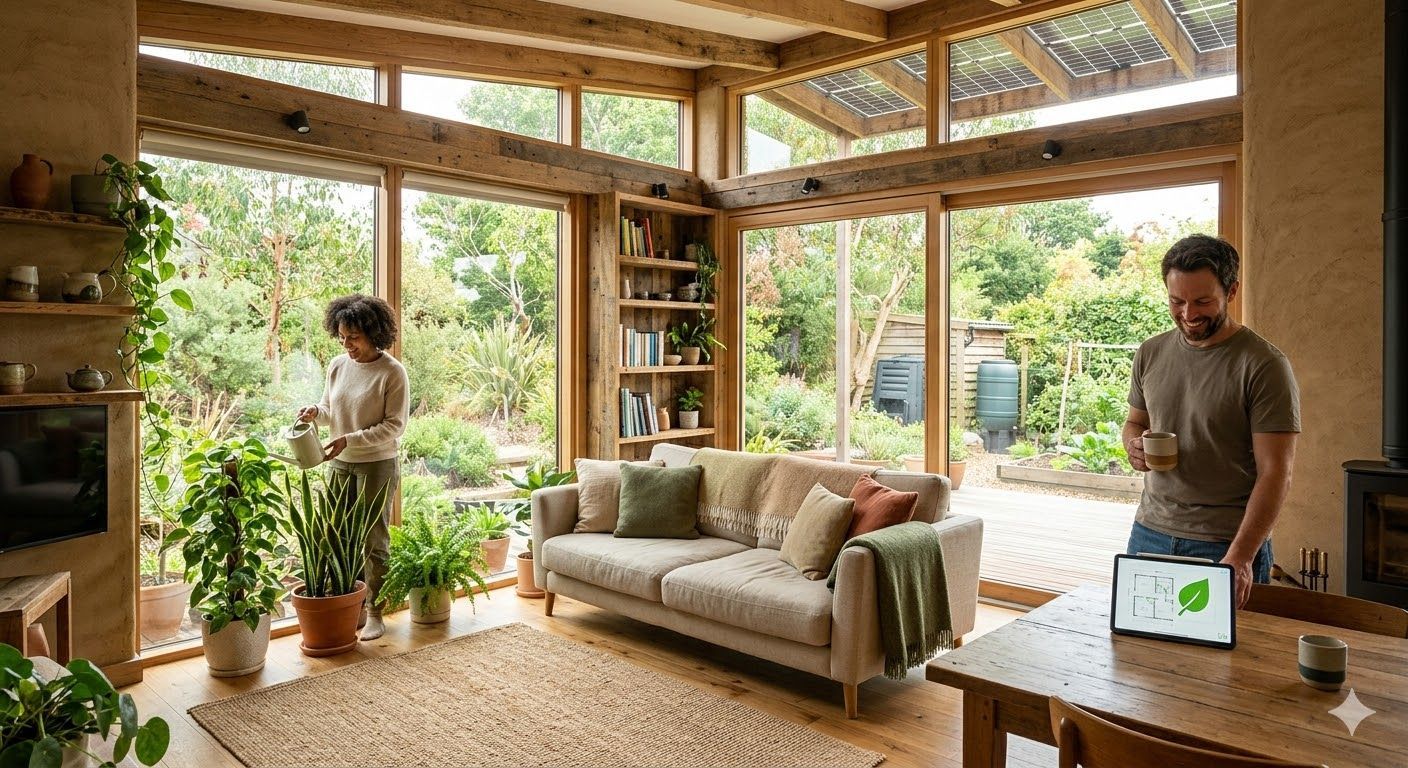
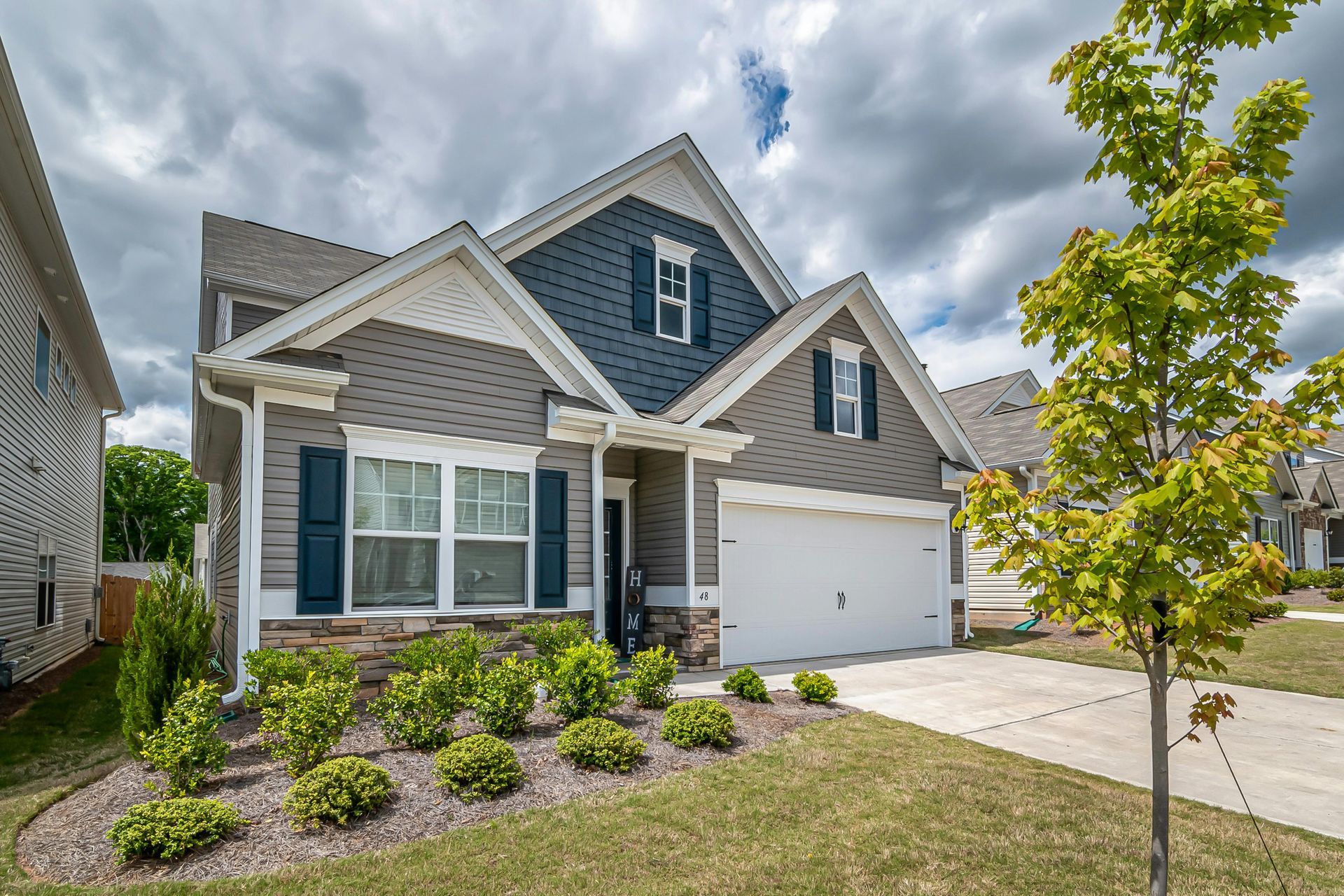
Modern home design is evolving. From luxurious and sleek aesthetics, it’s now about creating beautiful spaces that are also healthier, more efficient and kinder to the planet. An eco-conscious home is one that actively enhances well-being while reducing its environmental footprint through intentional choices. Whether you’re building new, renovating or seeking inspiration, these meaningful, sustainable upgrades are must-haves.
1. Opt for Enduring, High-Performance Doors
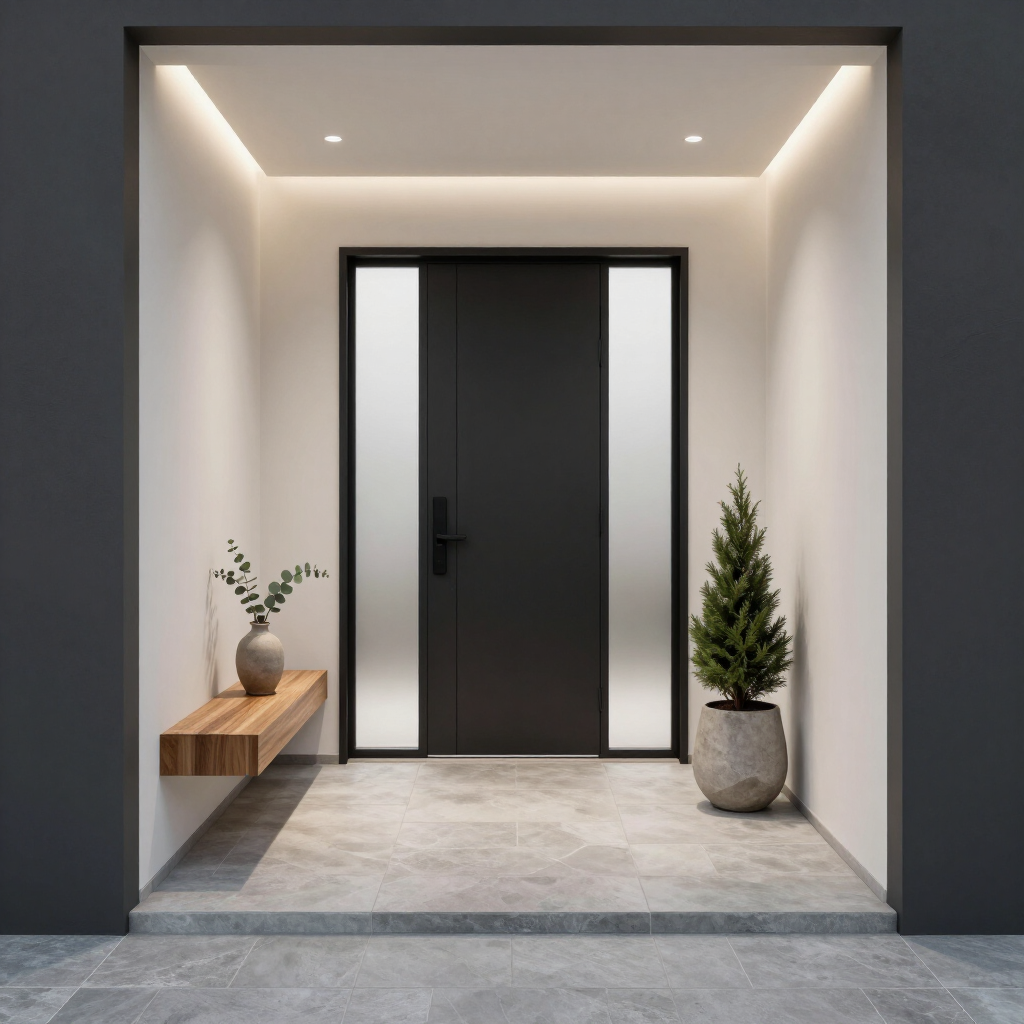
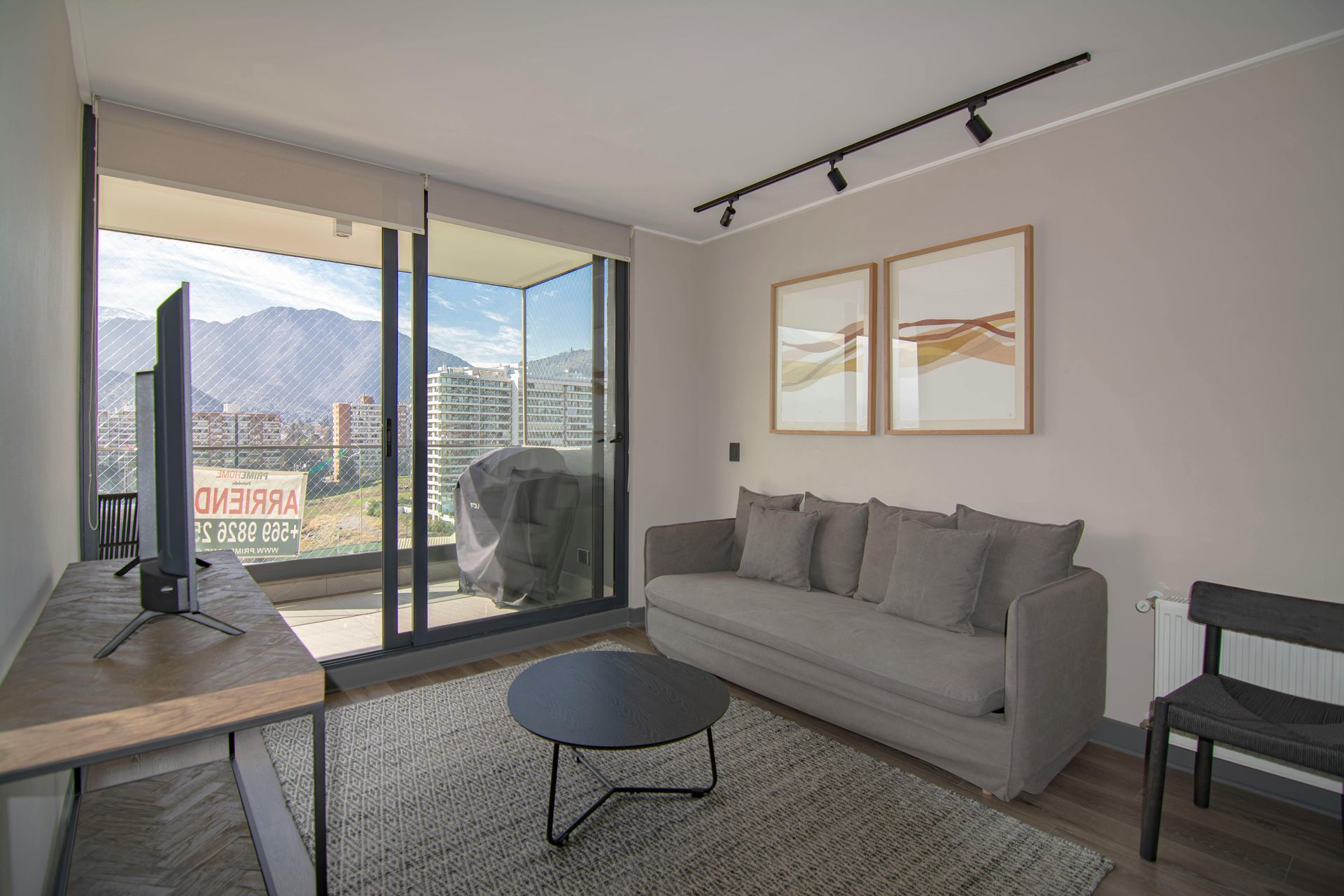
Upgrade your home’s thermal envelope to lower your energy bills. High-performance doors and windows seal the space, preventing heat loss in winter while keeping it cool in summer. Consider designs with large glass panels to reduce the need for artificial light and improve mood.
Follow the “invest once, invest well” philosophy to minimize waste and the need for replacements. Think of fixtures made of aluminum and other high-quality materials as a smart, sustainable choice that pays off in the long run.
Where Can You Find In-Stock Aluminum Doors for Fast Delivery?
For a sleek, modern look combined with robust strength, Home Center Outlet offers aluminum doors with durable engineering and a high-end aesthetic. Resistant to corrosion and the elements, the doors come in various designs, from minimalist frames to expansive, tempered glass panels that maximize natural light. The brand also offers aluminum doors for fast delivery and curbside options, solving a common logistical headache.
2. Furnish With Reforested Wood
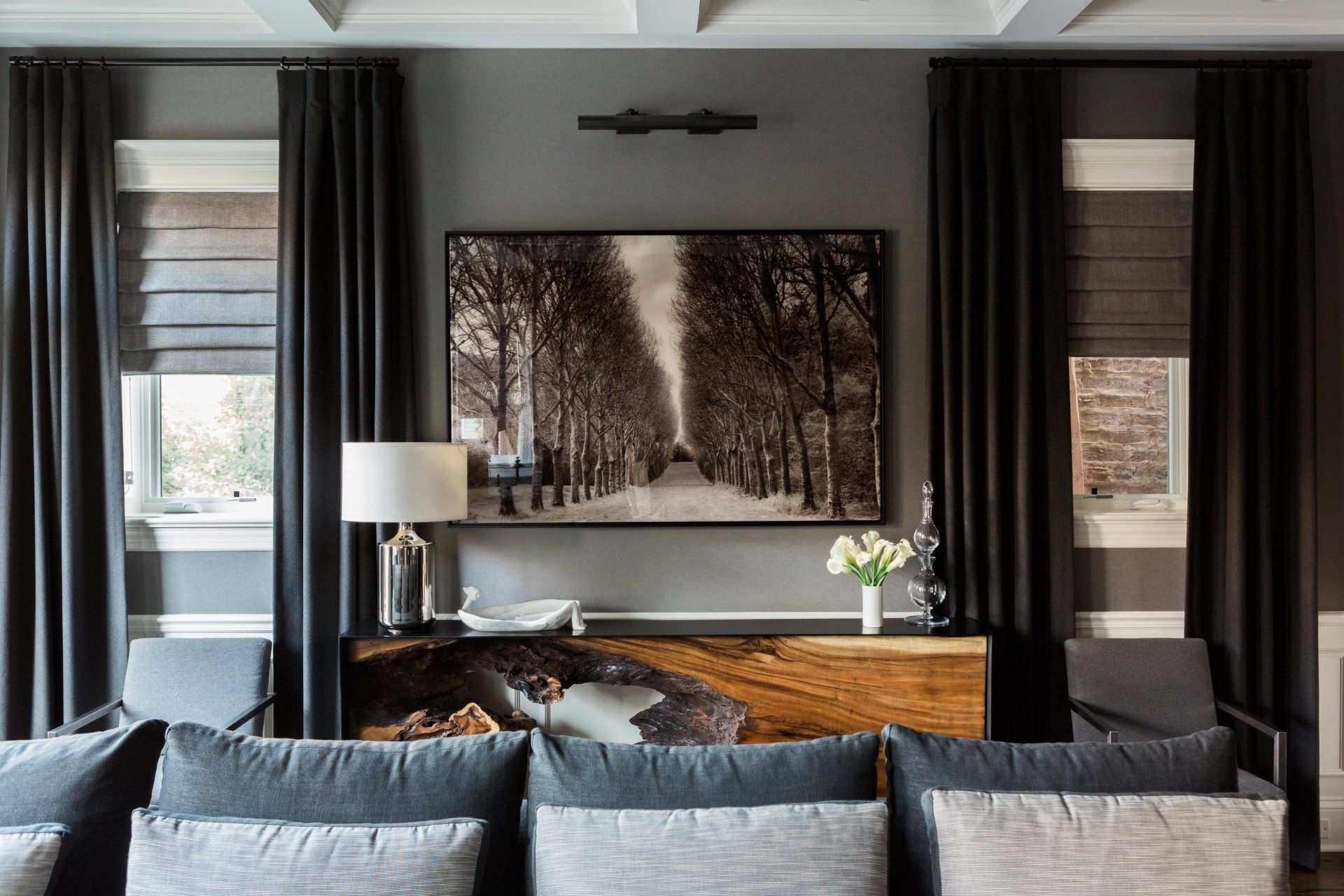
Inexpensive, mass-produced and trendy furniture that’s not designed for longevity contributes to landfill waste. It also promotes reliance on low-quality materials that break down quickly. Avoid that pitfall by investing in solid wood furniture that can last for generations. Opt for reclaimed and reforested wood to support a circular economy and help protect natural forests.
Where Can You Find Sustainable Wood Furniture?
Following its “seed to seat” philosophy, MasayoCo offers furniture made from sustainably harvested wood from its reforestation projects in Nicaragua. Every purchase directly contributes to reviving deforested areas. Each piece is handmade by skilled artisans, resulting in unique, heirloom-quality furniture that tells a story of sustainability.
3. Choose Non-Toxic Paints
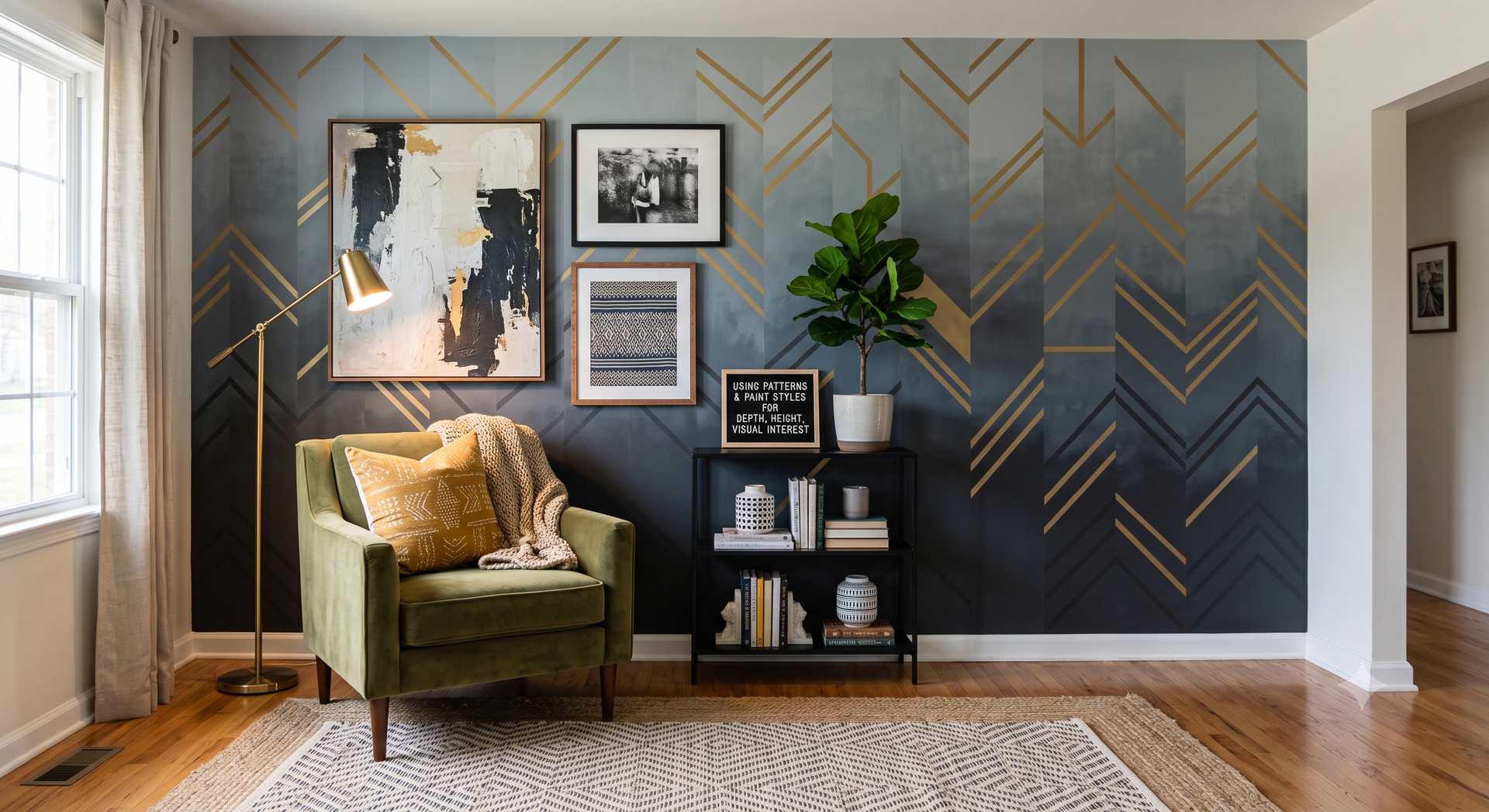
An often overlooked aspect of eco-conscious homes is indoor air quality. Many conventional paints release volatile organic compounds (VOCs) — chemicals that can be harmful to your health and the environment long after they’ve dried. Choosing zero-VOC or low-VOC paint is a simple but powerful upgrade for creating a healthier living space.
What Is the Best Brand for Non-Toxic Paint?
Clare simplifies finding healthy, high-quality paint for your home. Its zero-VOC products are GREENGUARD Gold certified, which means they meet the most rigorous standards for low chemical emissions. The brand also offers a curated palette of designer colors and mess-free peel-and-stick swatches, so you can see how they’ll look in your space without buying sample pots.
4. Conserve Water With High-Efficiency Fixtures
Modern technology makes it easy to reduce water use without affecting performance. High-efficiency fixtures in kitchens and bathrooms can drastically reduce your home’s consumption without sacrificing performance. That’s why innovations like dual-flush toilets, allowing more control over water use, are becoming standard in sustainable design.
Which Brand Leads in Water-Saving Technology?
Kohler is a household name that has invested heavily in creating powerful and efficient water-saving technologies. Its toilets are EPA WaterSense certified, meaning they use 20% less water than the current federal standard. Some also include a flushing system that sends water swirling around the entire bowl for a complete clean and a feature that automatically dispenses cleaning solution with each flush.
Designing Your Perfect Eco-Conscious Haven
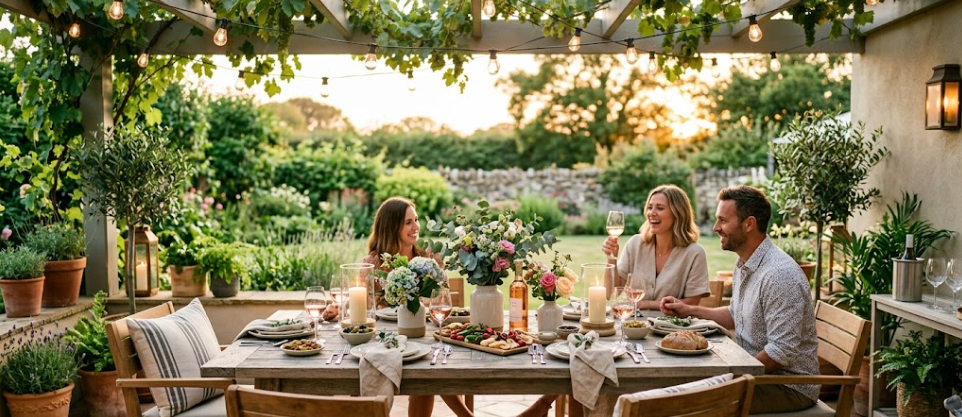
Creating an eco-conscious home is a personal journey, not an all-or-nothing race. Start small. Focus on one room, upgrade or idea that resonates with you. Then, build around it. Ultimately, the greatest luxury is a home that is beautiful, comfortable and contributes to a more sustainable future.