6 Questions to Reveal Your Home’s Design Personality
Scrolling through endless design inspiration or staring at color choices at a paint store can be overwhelming. Without direction, it can be tricky to establish your space’s aesthetic. The key is to look inward. Instead of copying a trend, develop a home design that reflects your personality and supports your lifestyle. Answer these questions to uncover your style.
1. What's the Feeling You Want When You Walk in the Door?
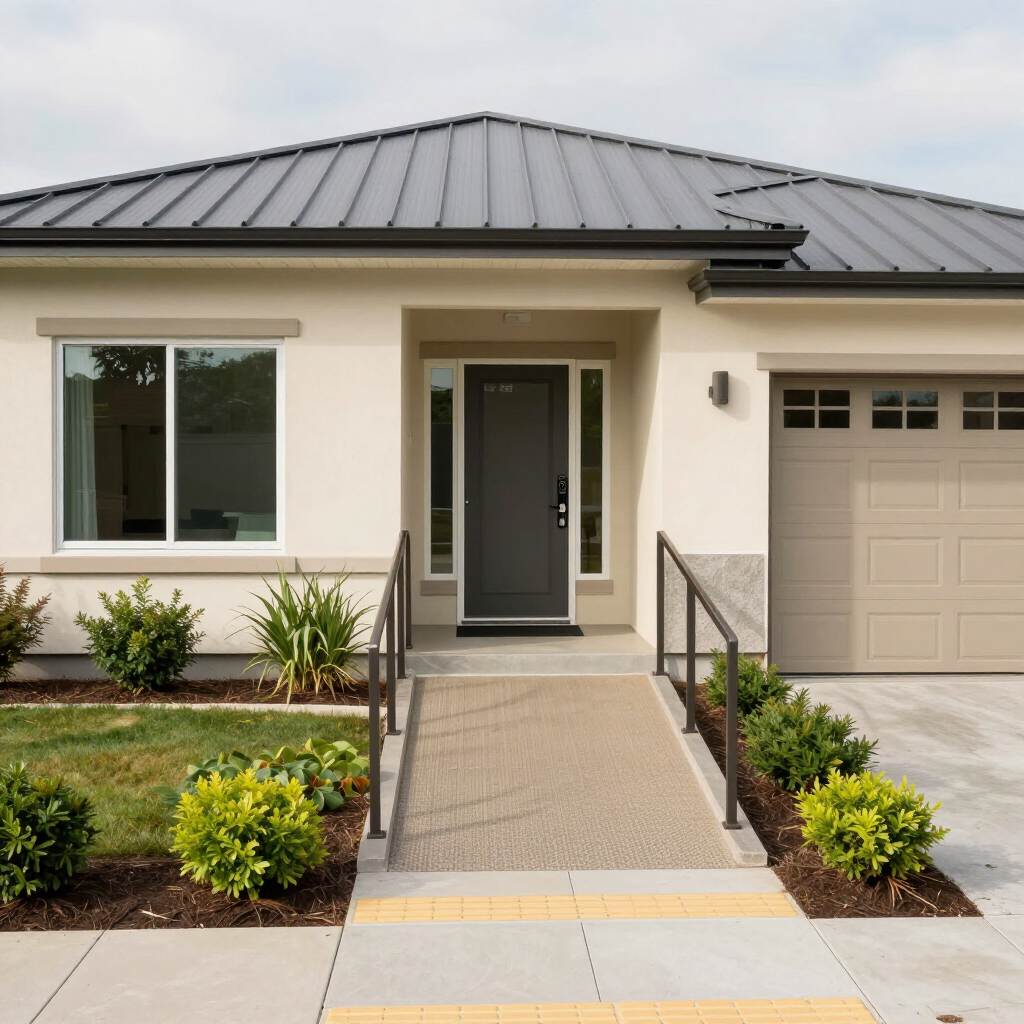
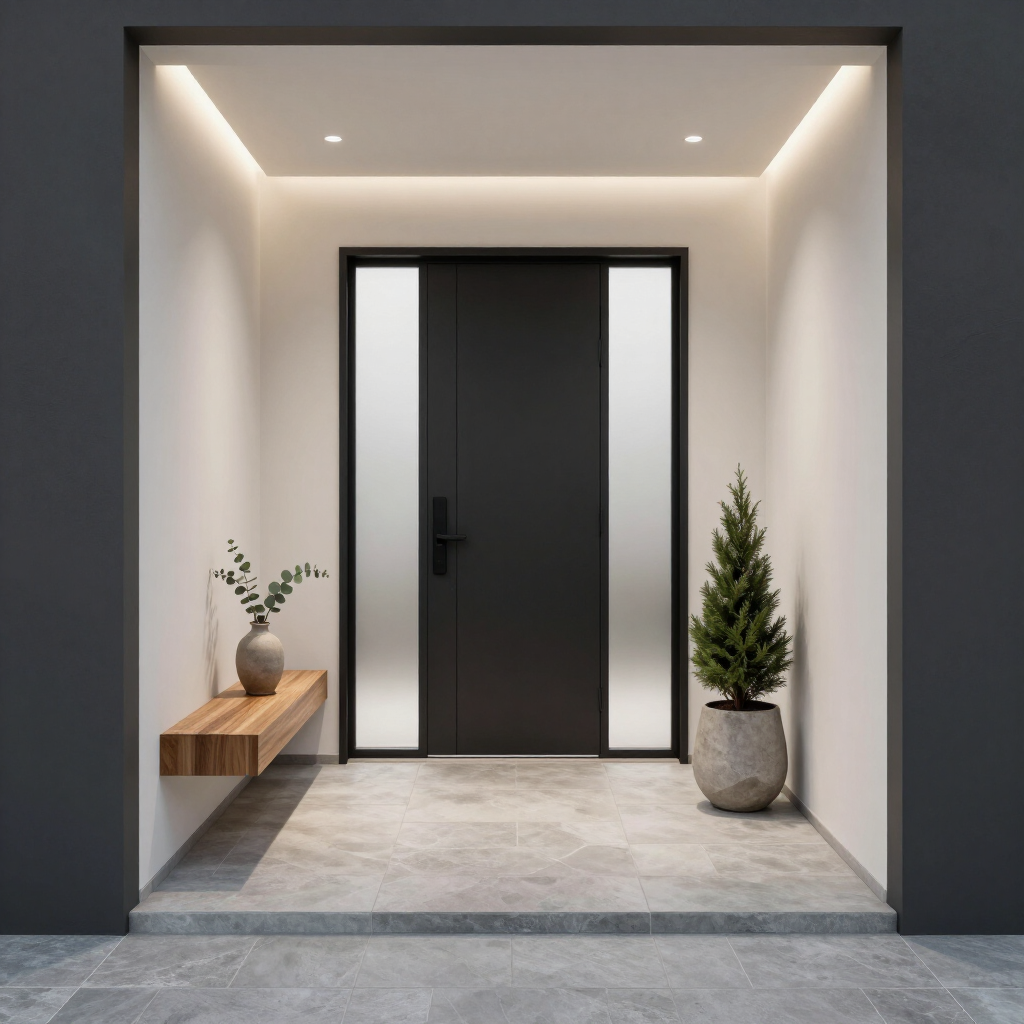
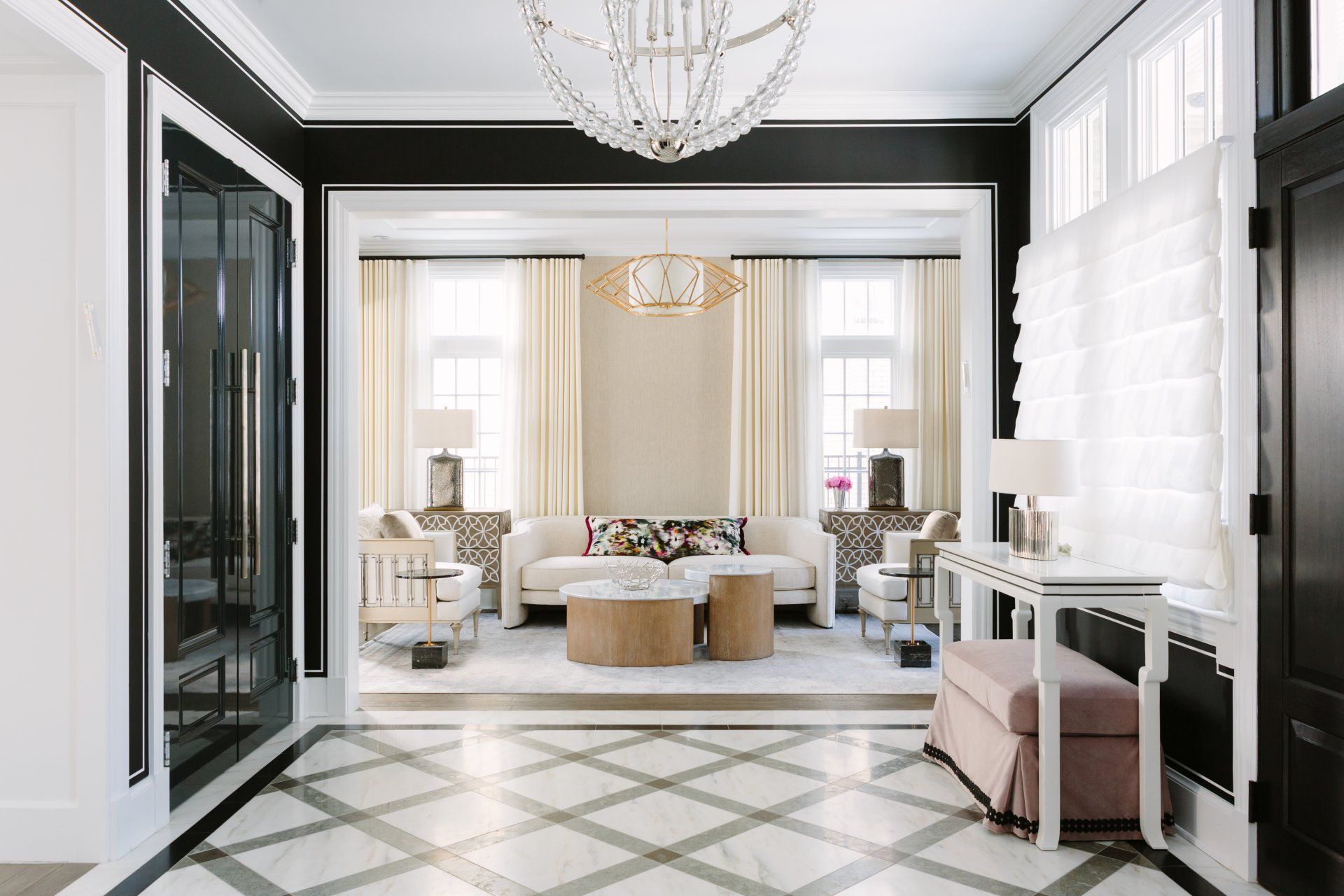
The entryway sets the emotional tone of your home and serves as your transition from the outside world to your sanctuary. Think in terms of feelings, not just styles, when designing it. Do you want to feel a “peaceful sigh of relief,” a “jolt of creative energy,” a “warm, cozy hug,” or a sense of “sophisticated calm and order”?
If you look forward to a sense of escape and tranquility, your home’s design personality may fit the Naturalist. If you want to be enveloped in a sense of comfort and timelessness, your home likely leans toward the Historian. However, your home is probably the Minimalist if your goal is to find clarity and an uncluttered peace of mind when you walk in your home.
2. Which Colors Are You Naturally Drawn to?
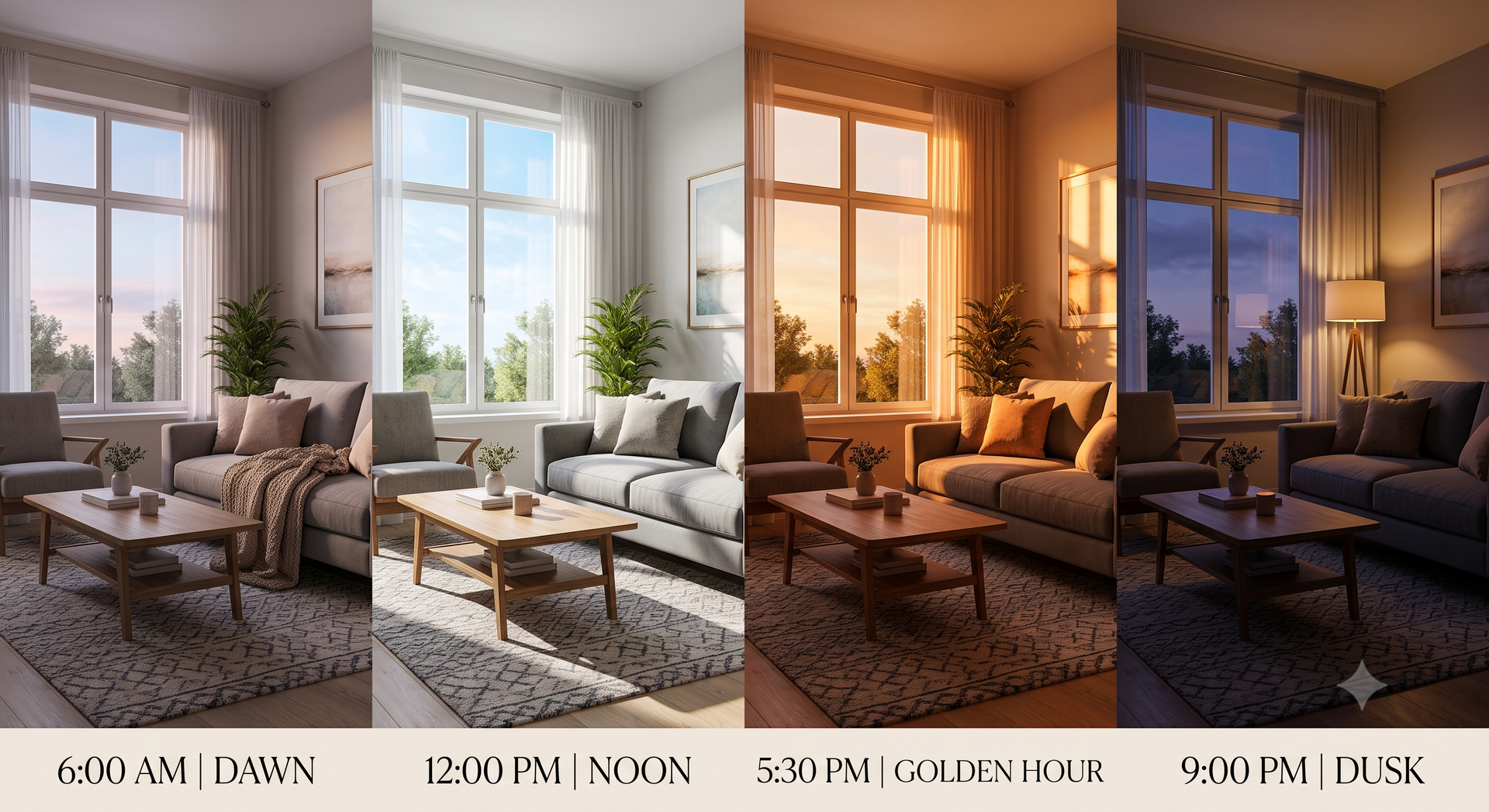
Color is a powerful mood influencer. For example, yellow can energize and enhance mental activity, while blue evokes tranquility and a sense of inner reflection. Look beyond basic colors. Compare crisp neutrals, earthy shades, airy pastels and dramatic jewel tones, then determine which draws you in the most.
If you prefer colors inspired by forests, beaches, deserts and other natural landscapes, your home may fall into the Naturalist. Attraction to rich, deep and layered colors suggests you have a Historian’s love for drama and elegance. If your home gravitates toward a controlled, calming palette, you have the Minimalist’s desire for simplicity.
3. How Do You Use Your Space?
A beautiful room that doesn’t support your needs will always feel wrong. If you’re a social entertainer, you might need plenty of open space and seating. A comfy armchair and soft lighting are essential for any bookworm, while a well-equipped kitchen is the heart of the home for someone who loves cooking.
Prioritizing personal hobbies and quiet, restorative activities at home suggests a Naturalist style. If you view your home as a warm, welcoming backdrop for connecting with others, you lean toward the Historian style. Seeing your home’s layout as a tool for living more efficiently points to the Minimalist.
4. Which Materials Make You Feel at Ease?
Materials provide a tactile and visual experience. Assess your preferences. Some people like the coolness of metal and glass, while others value the softness of plush textiles like velvet and wool. If you like biophilic design, you likely prefer natural materials, like wood or stone.
A desire for varied, organic textures that appeal to the senses points toward the Naturalist, while an appreciation for materials that gain character and patina over time leans into the Historian. If you prefer the polish of smooth, uniform surfaces, you have the Minimalist’s love for sleekness and order.
5. Where Would Your Home Be if It Were a Travel Destination?
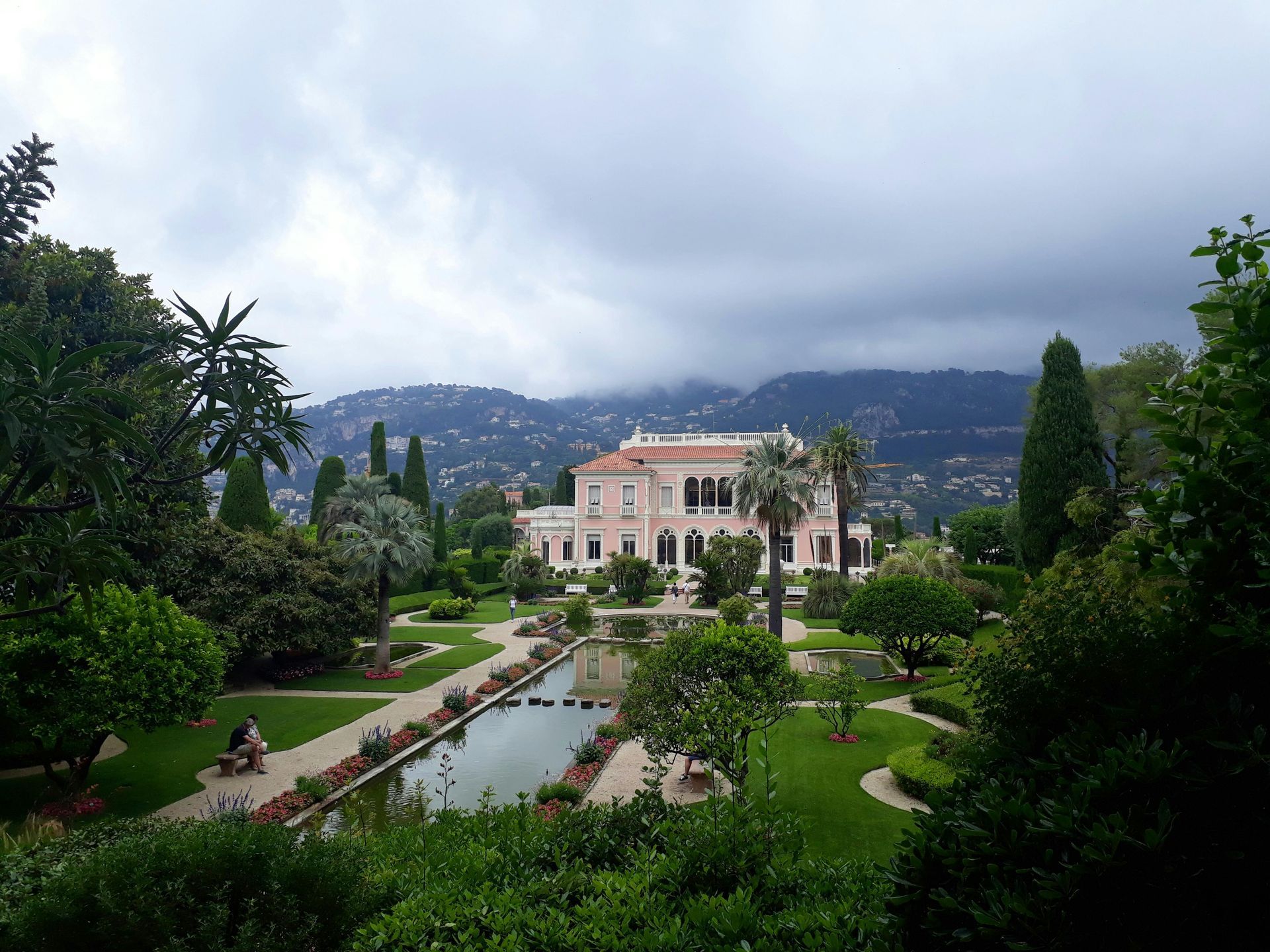
This is a creative way to assess the vibe you want to create. If you’re imagining a “breezy Santorini villa,” you can’t go wrong with white walls, natural textures and pops of blue. Floral patterns, plush furniture and warm wood are must-haves for a “cozy English cottage,” while minimalist lines and industrial materials define a “sleek urban loft.”
Your home’s design personality is the Naturalist if your dream destination is about escaping into nature. If your go-to getaway is rich with old-world charm, it’s a sign of the Historian style. If your ideal retreat is a sophisticated and efficient urban center, your home will lean towards the Minimalist.
6. Do You Prefer Items With a Story or Brand-New Pieces?
Your answer indicates whether you value history and character or a clean, modern feel. Does your heart beat faster at a flea market, imagining the history of a vintage dresser, or do you prefer the sleek look of a brand-new cabinet straight from the showroom?
If your focus is on authenticity and craftsmanship regardless of its age, your home’s design style is the Naturalist. Believing that objects should possess a soul and a unique history is characteristic of the Historian. A preference for the clean perfection of new items points toward the Minimalist.
What Your Answers Say About Your Design Personality
Determine your home’s design persona based on your answers.
The Historian
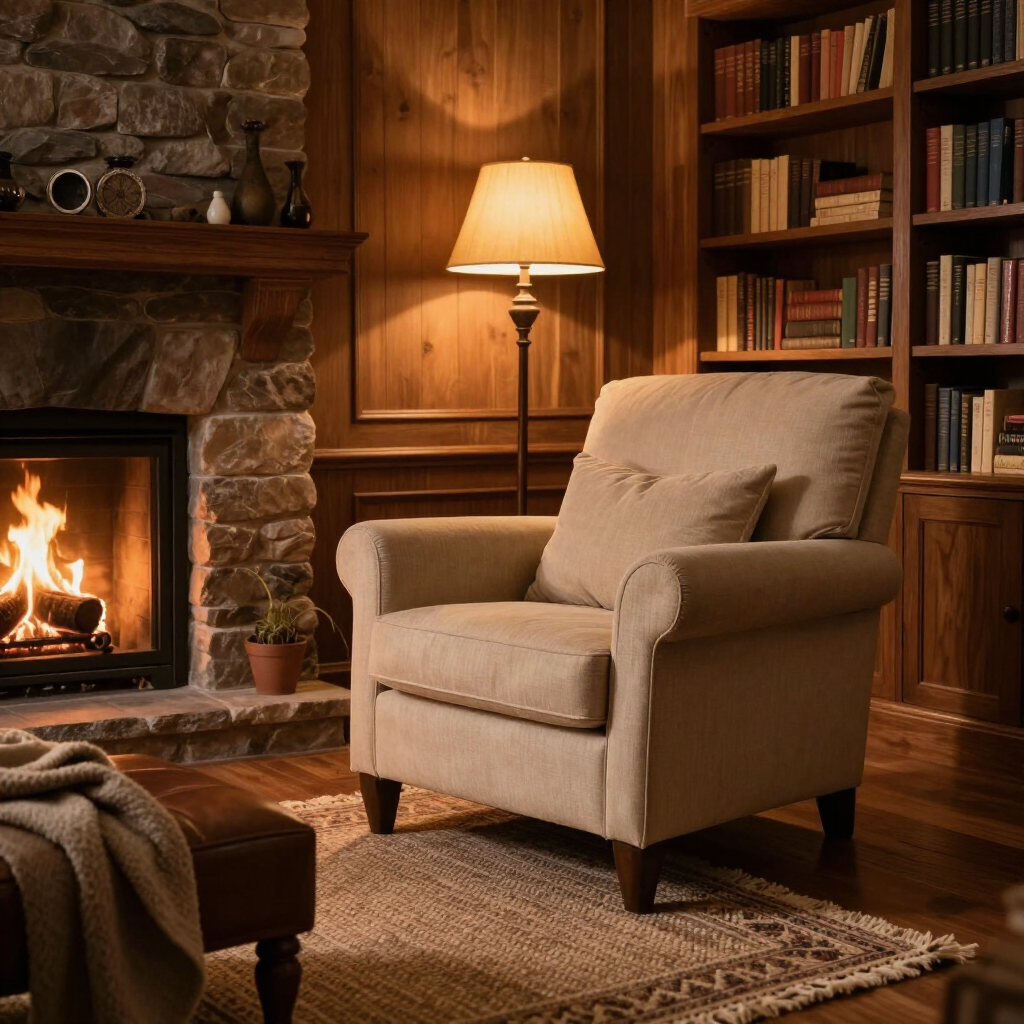
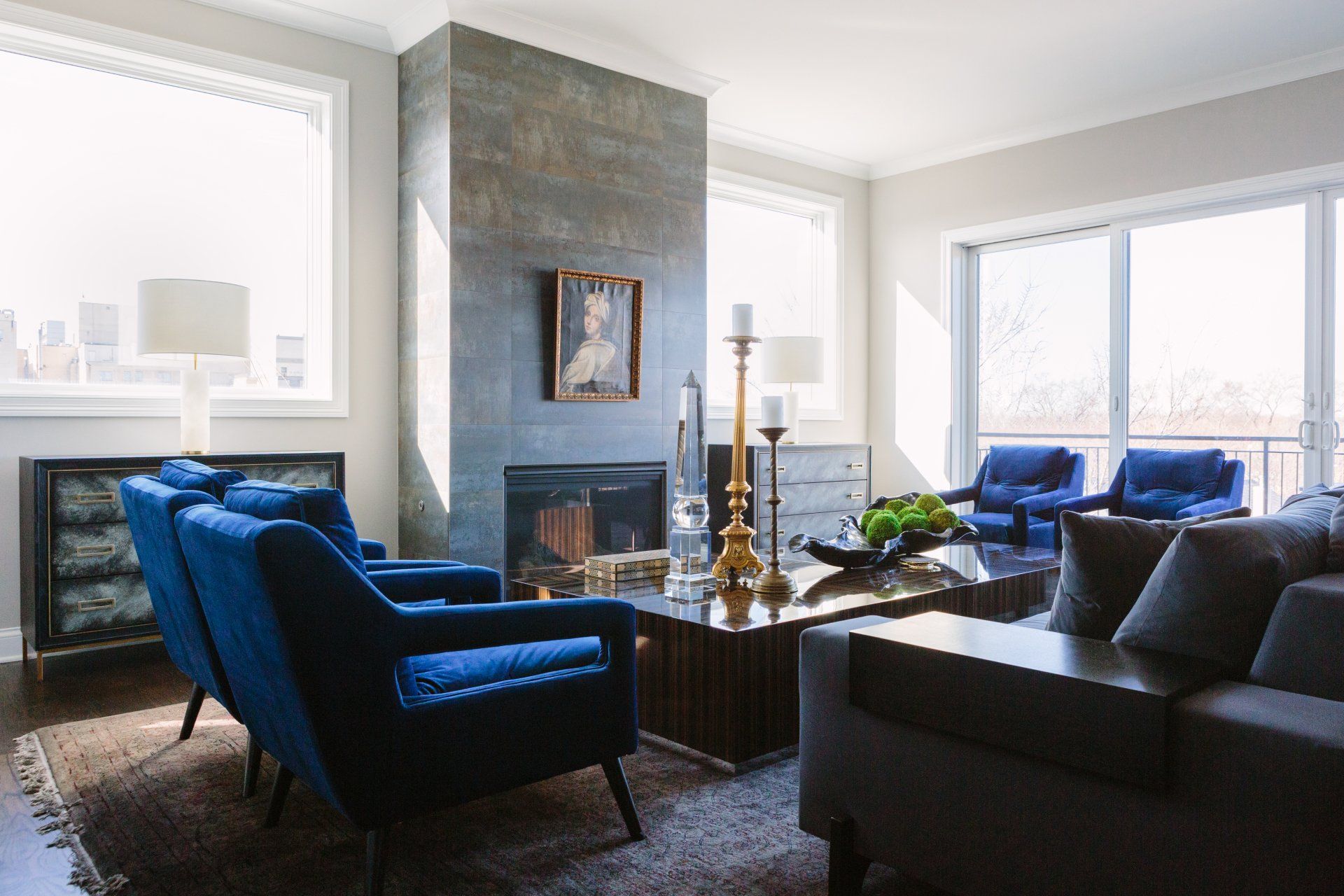
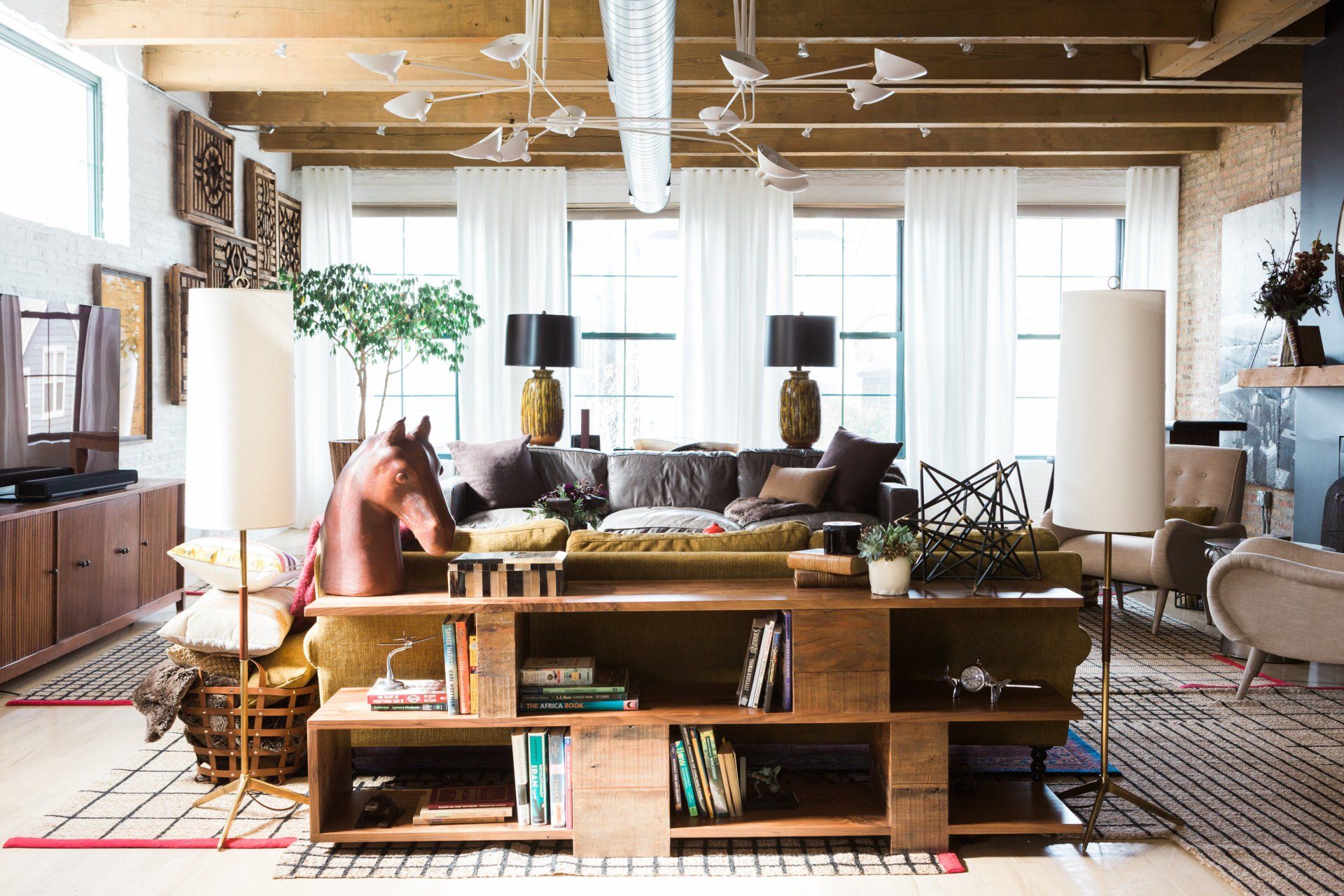
You love items with a story, are drawn to classic patterns and appreciate the quality of natural materials, like leather and dark wood. The Historian values timelessness and craftsmanship. You believe a home should feel curated over time, not bought in a day.
This love for the past isn’t limited to antiques. It can also mean appreciating historical design movements, like the midcentury modern aesthetic. Covering the period
between the mid-1930s and 1960, it blends polished styles with wooden furnishings, modern materials, clean lines and simple forms.
The Naturalist
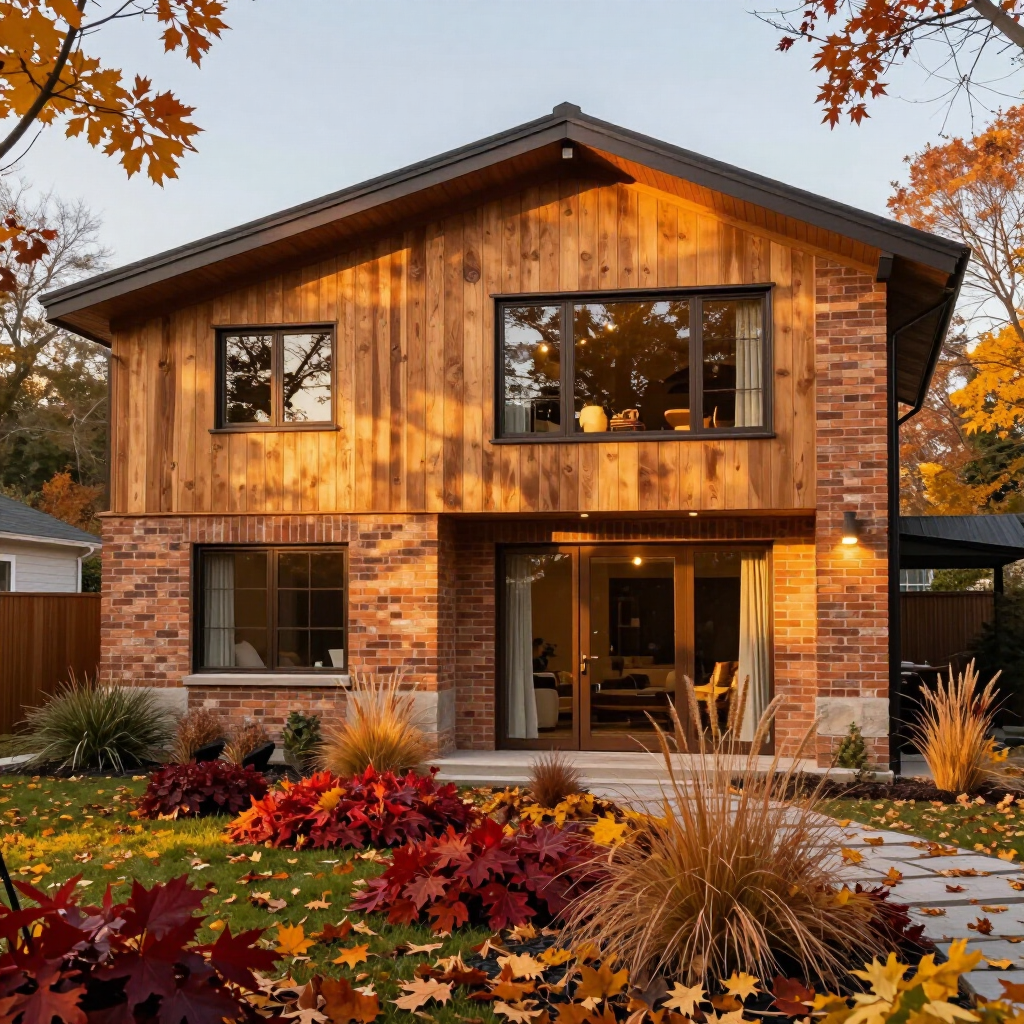
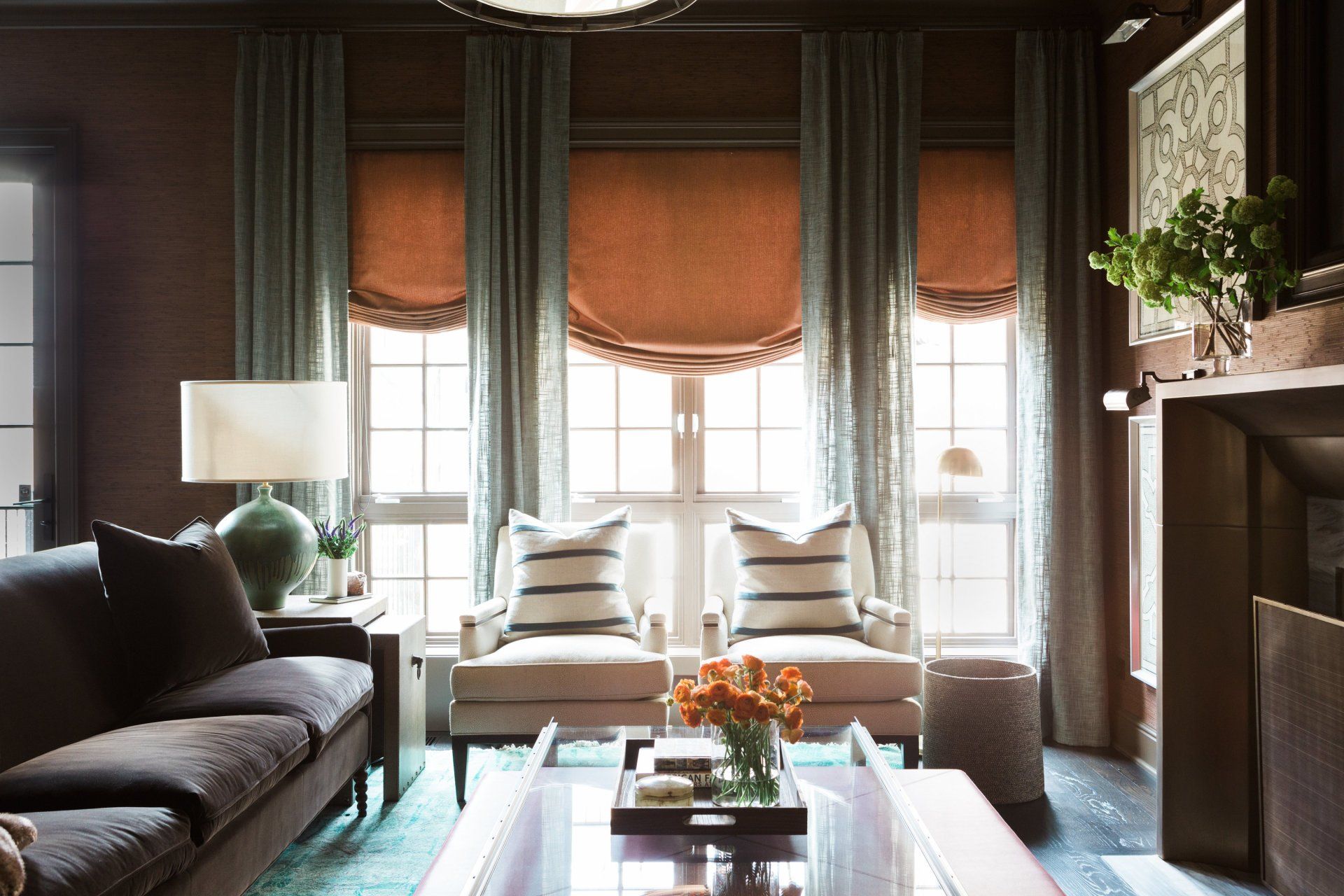
Your home style is Naturalist if you seek tranquility and texture, are drawn to earthy colors and natural materials, and consider a cabin or a beach house your ideal destination. This personality wants to bring the soothing qualities of the outdoors in, whether in the form of natural light and plants or organic materials, like jute, rattan and linen.
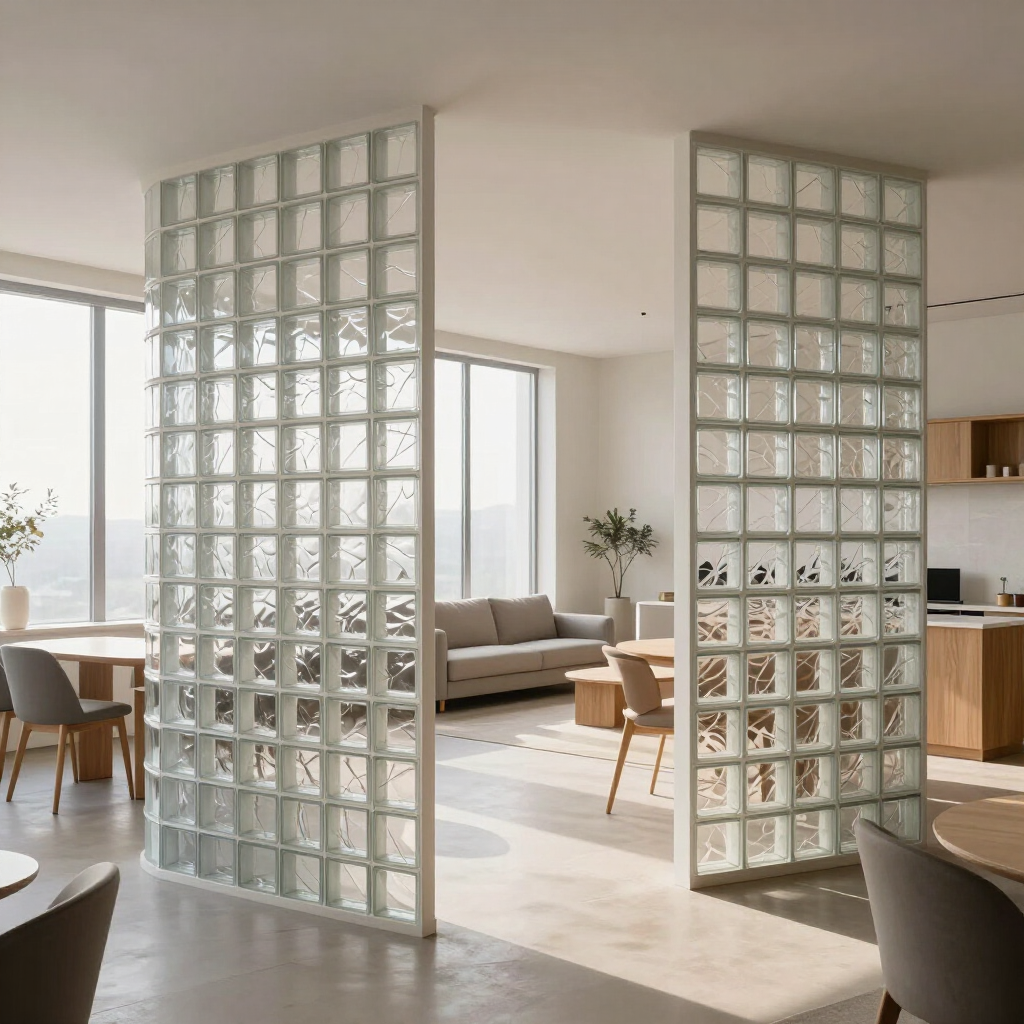
Color palette is crucial for this vibe. Versatile, calming neutrals are popular, especially in open floor plans. They tie together multiple spaces with a cohesive and calming tone that works well with wood, linen and other natural textures.
The Minimalist
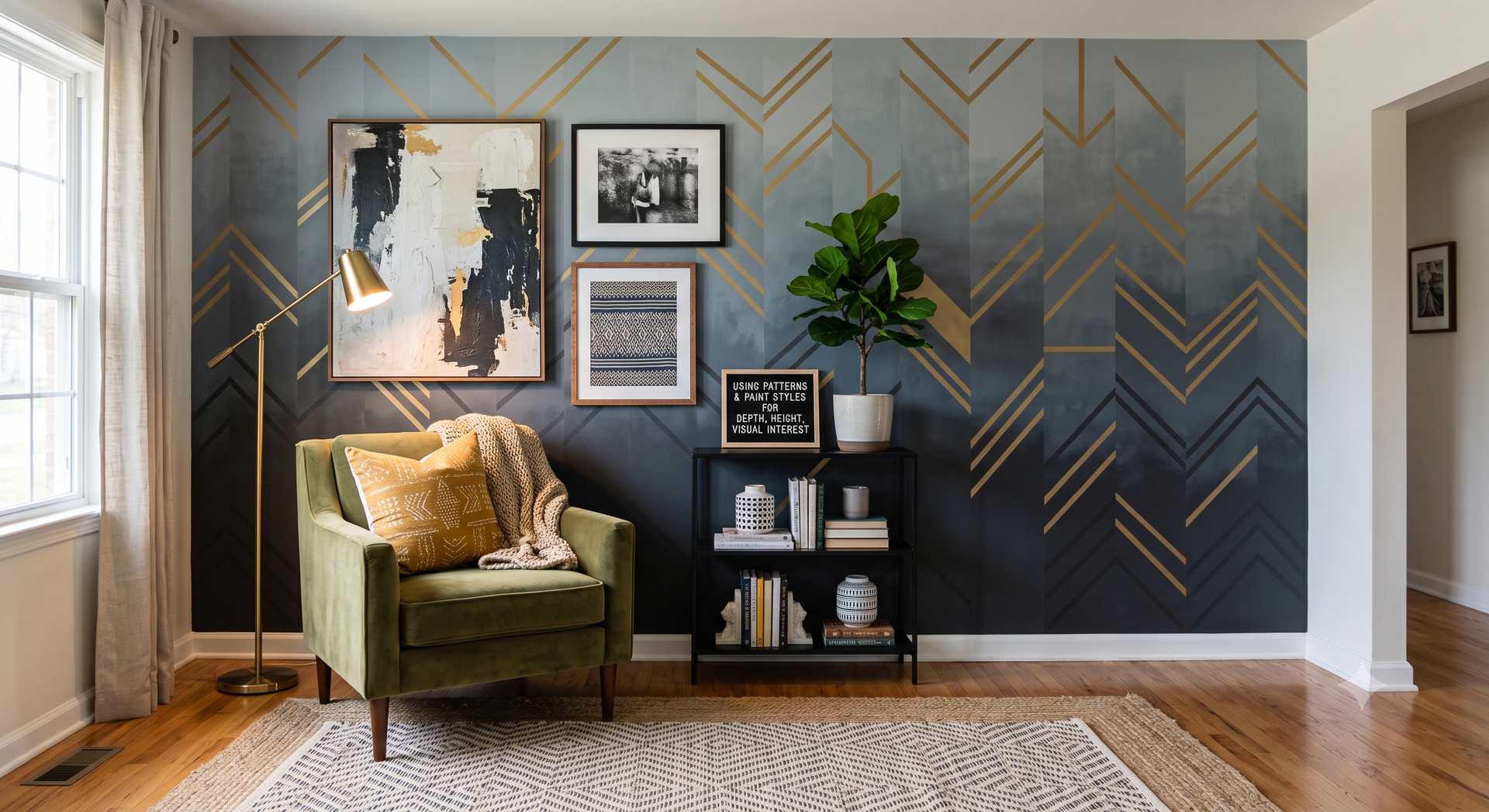
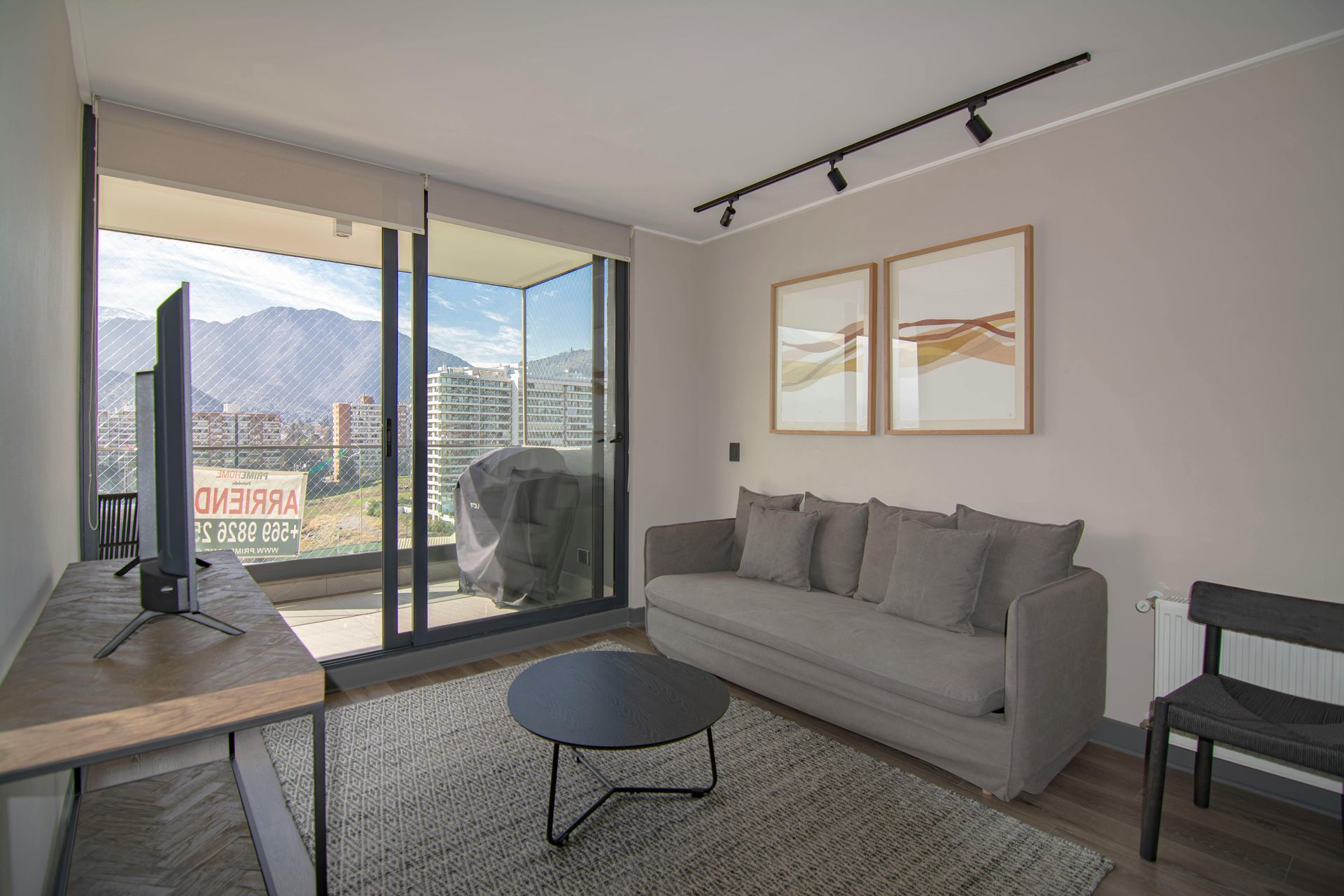
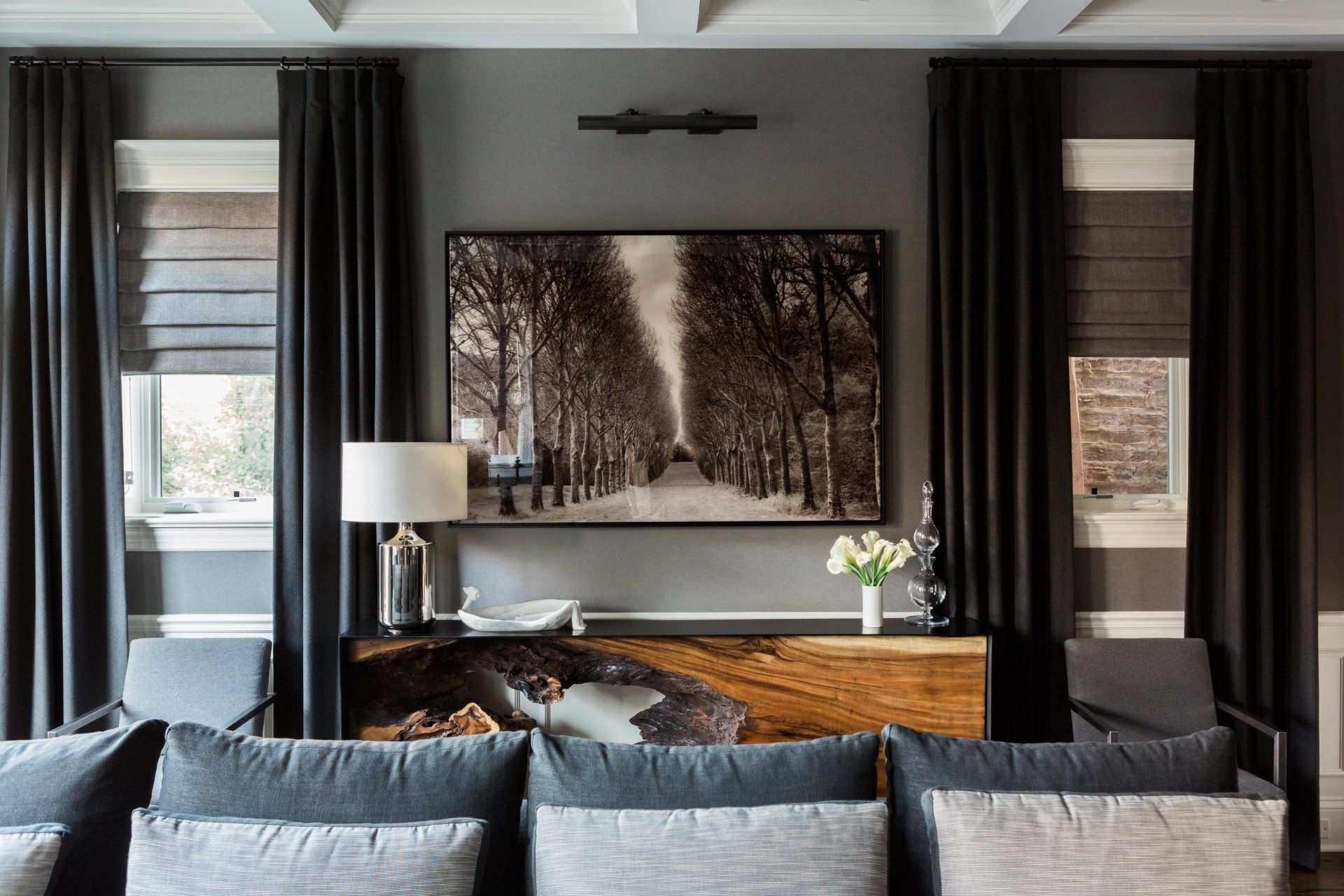
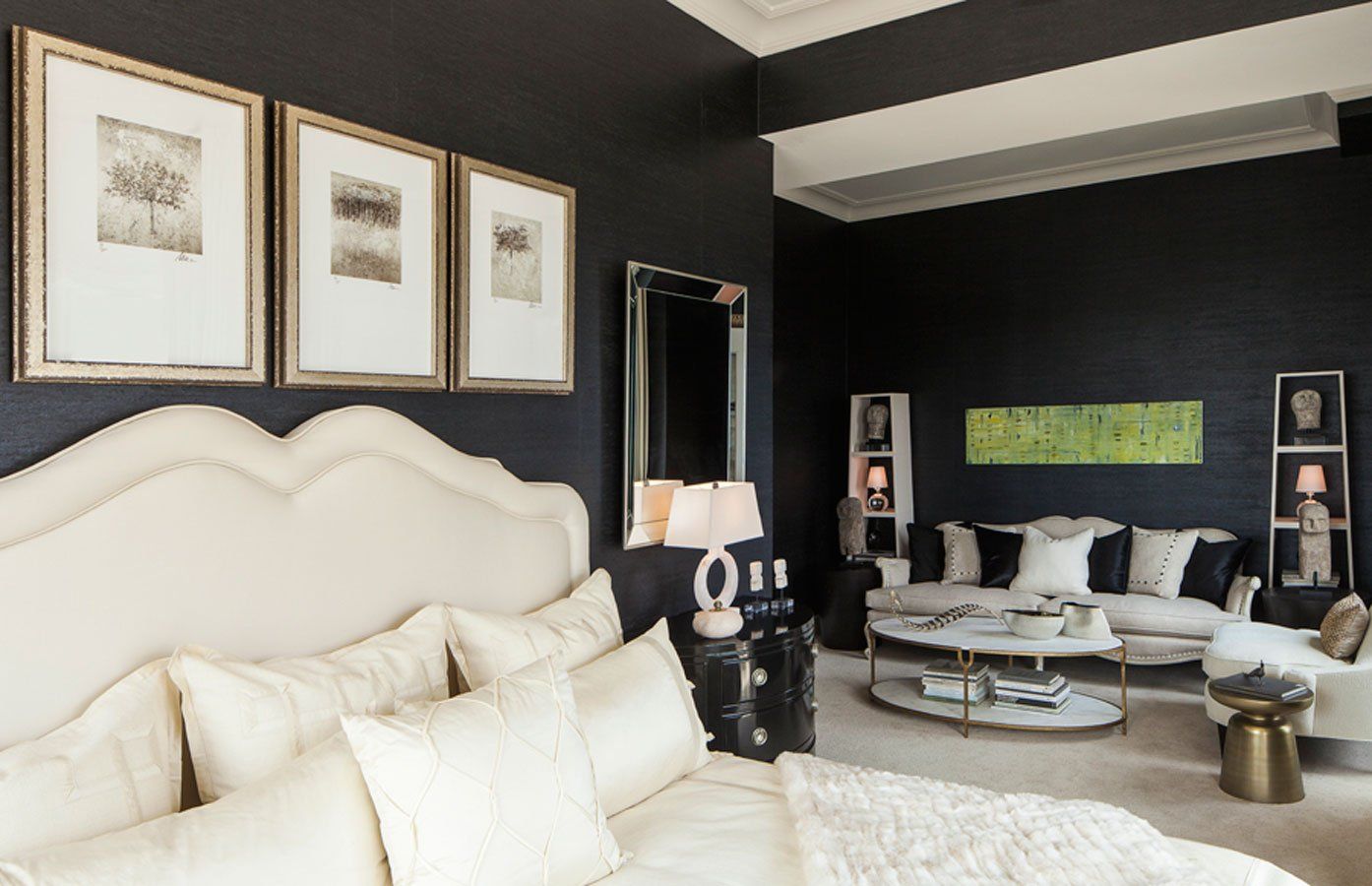
If you prefer having a place for everything, are drawn to simple solids and prefer brand-new items, you likely crave order and simplicity. The Minimalist values functionality, intention and clean, open spaces. “Less is more” defines this personality, but that doesn’t mean a home that’s empty of visual flair.
This style goes well with contemporary design, which
often features geometric shapes, accentuated lines and heavy artwork. The key lies in moderation and strategic decor placement.
Bring Your Design Personality to Life
You don’t have to fit into one box. Feel free to mix different styles to create a layered, personal look. Create a mood board on a corkboard or an app, then pin images that align with your style persona. Use your preferences as a compass for every design choice. The goal is to create a home that’s an authentic reflection of you.