The Return of the Cozy Den: How Warm Textures and Earthy Palettes Counter the Minimalist Movement
September 24, 2026

Home design has leaned toward open floor plans, clean lines and what is famously known as “millennial gray” for years. Now, the pendulum is swinging to something a little cozier. Dens are returning, earthy colors are warming up interiors and separate rooms are getting another look. Here’s how the cozy-den trend is changing the look and feel of modern interiors.


Warm Colors Replace Minimalism’s Cool Restraint

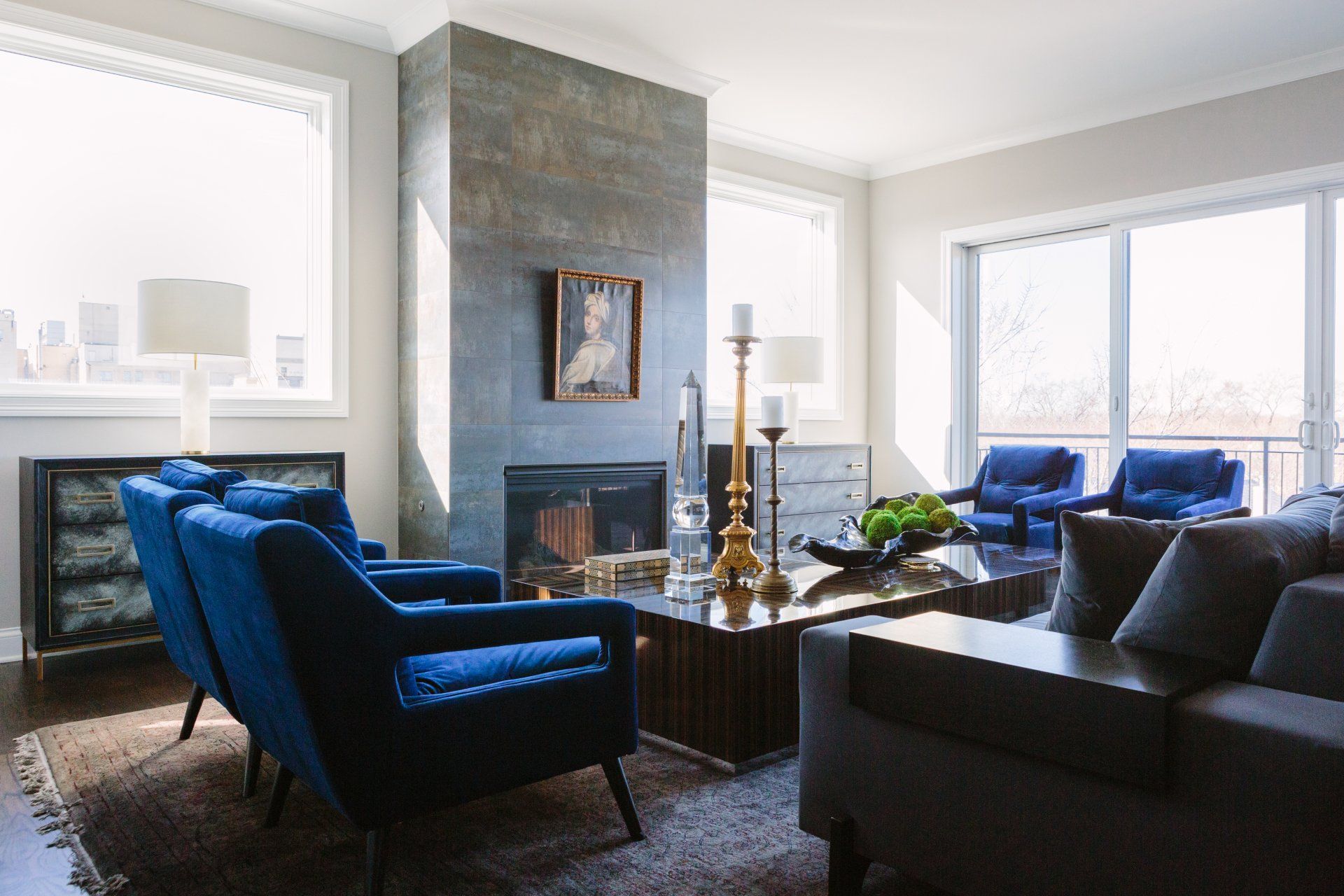
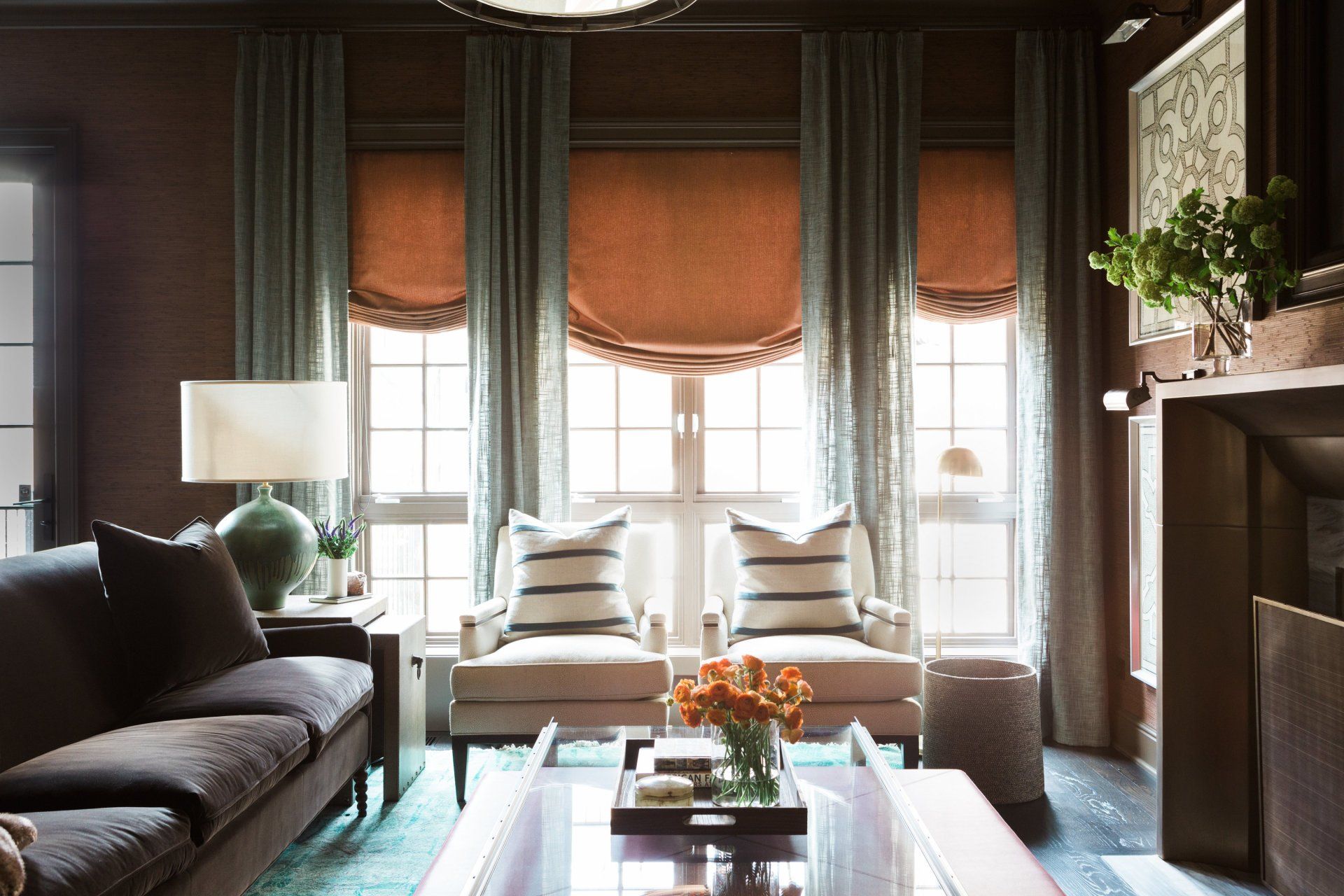
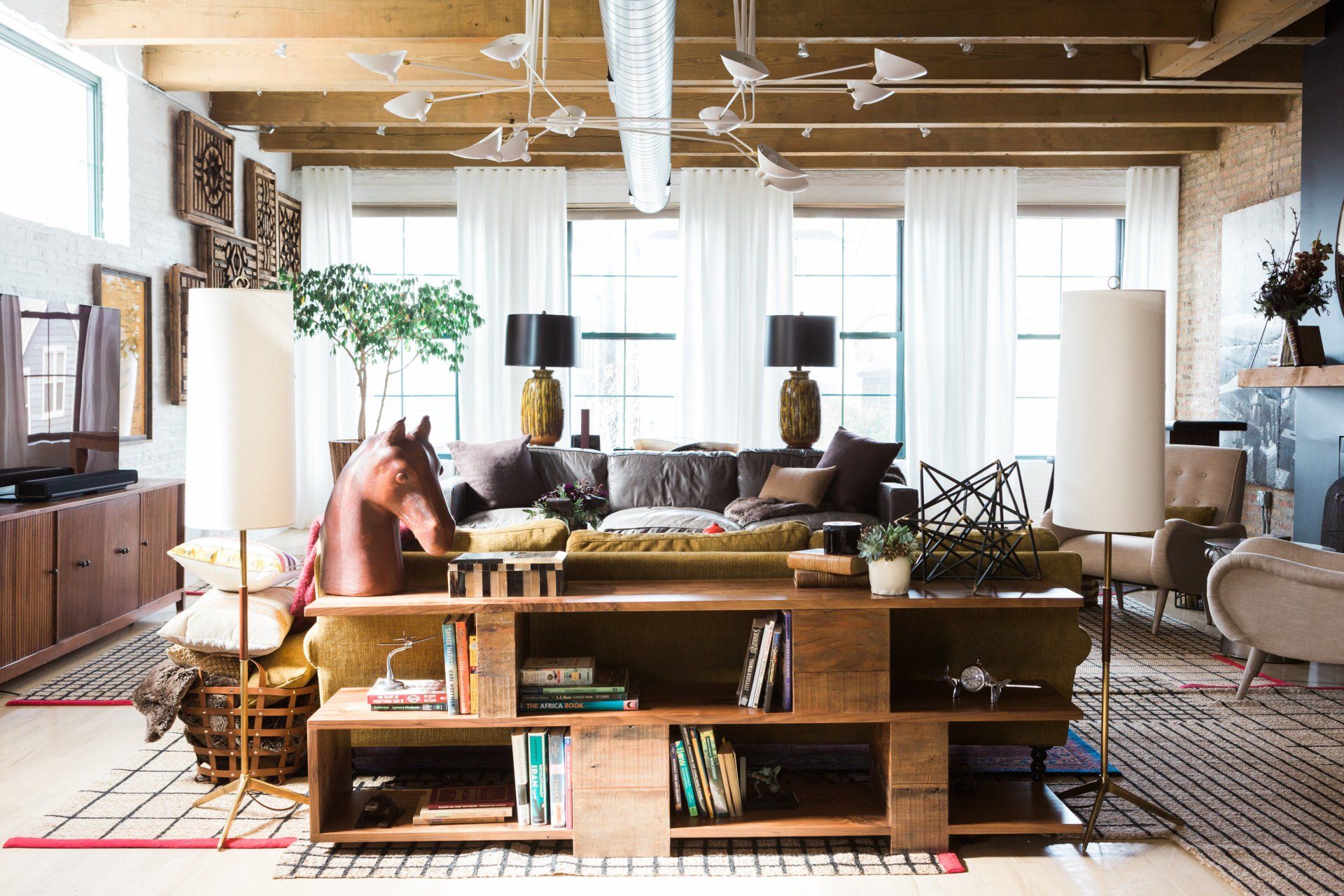
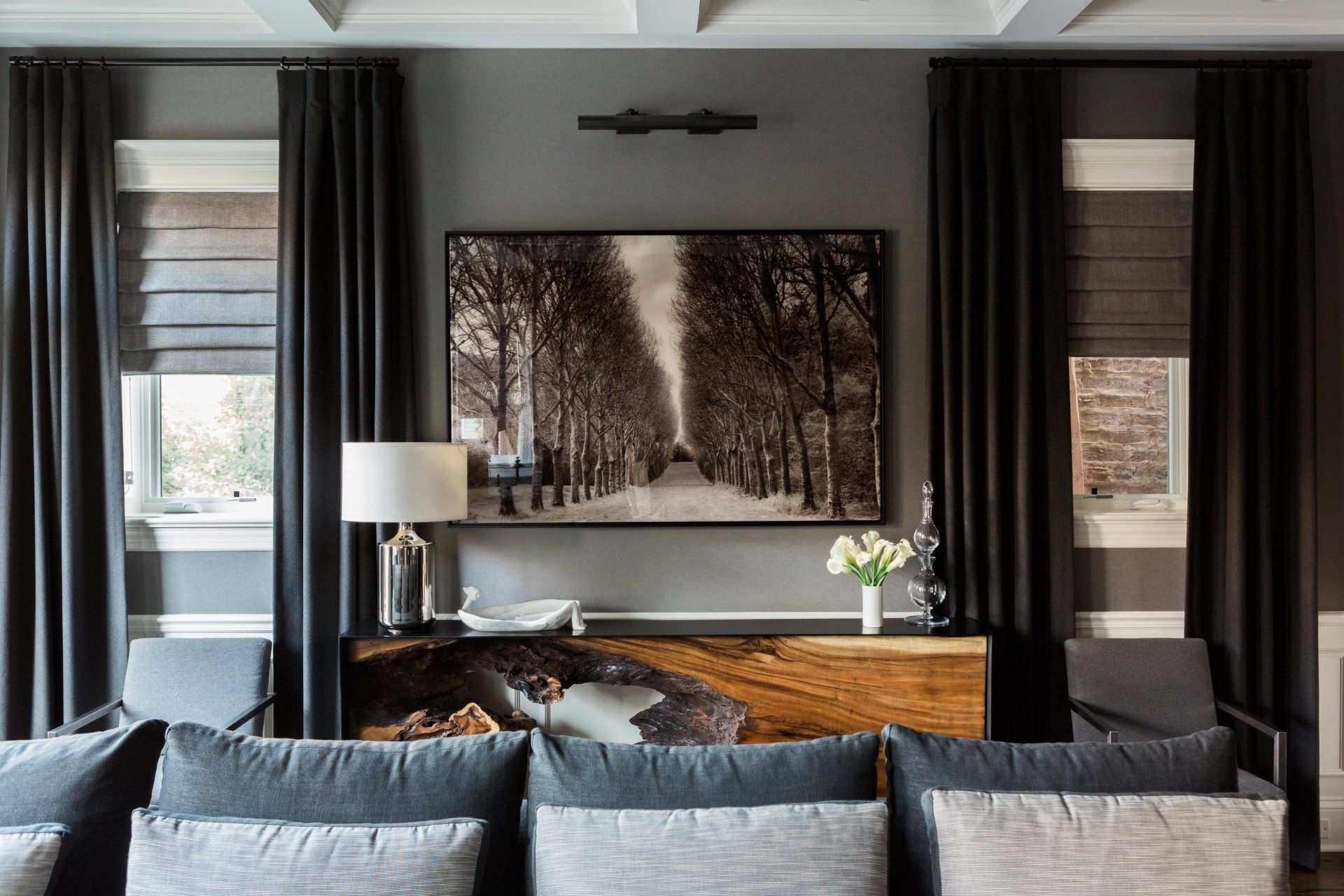
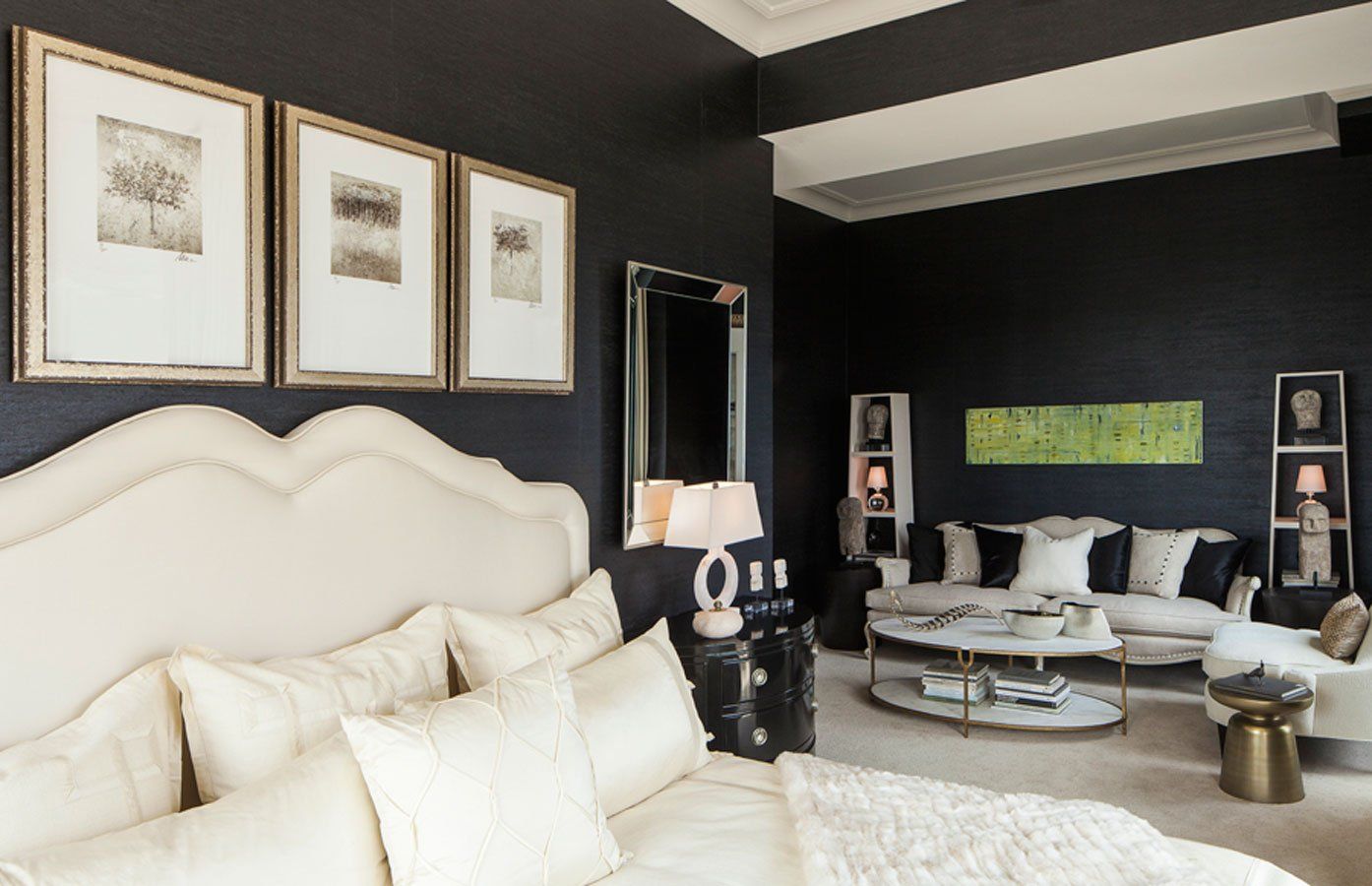
Minimalist interiors favor white, gray, cream and other understated neutrals. Cozy dens take that restrained palette somewhere warmer, bringing shades such as terracotta, rust, olive, ochre and rich brown. The 1stDibs 2026 trend report shows this growing preference for richer colors, with 33% of respondents picking chocolate brown as a top color for the year ahead, nearly twice its 17% share in 2022. You can see the same appetite for stronger color in the popularity of maximalist and eclectic styles.


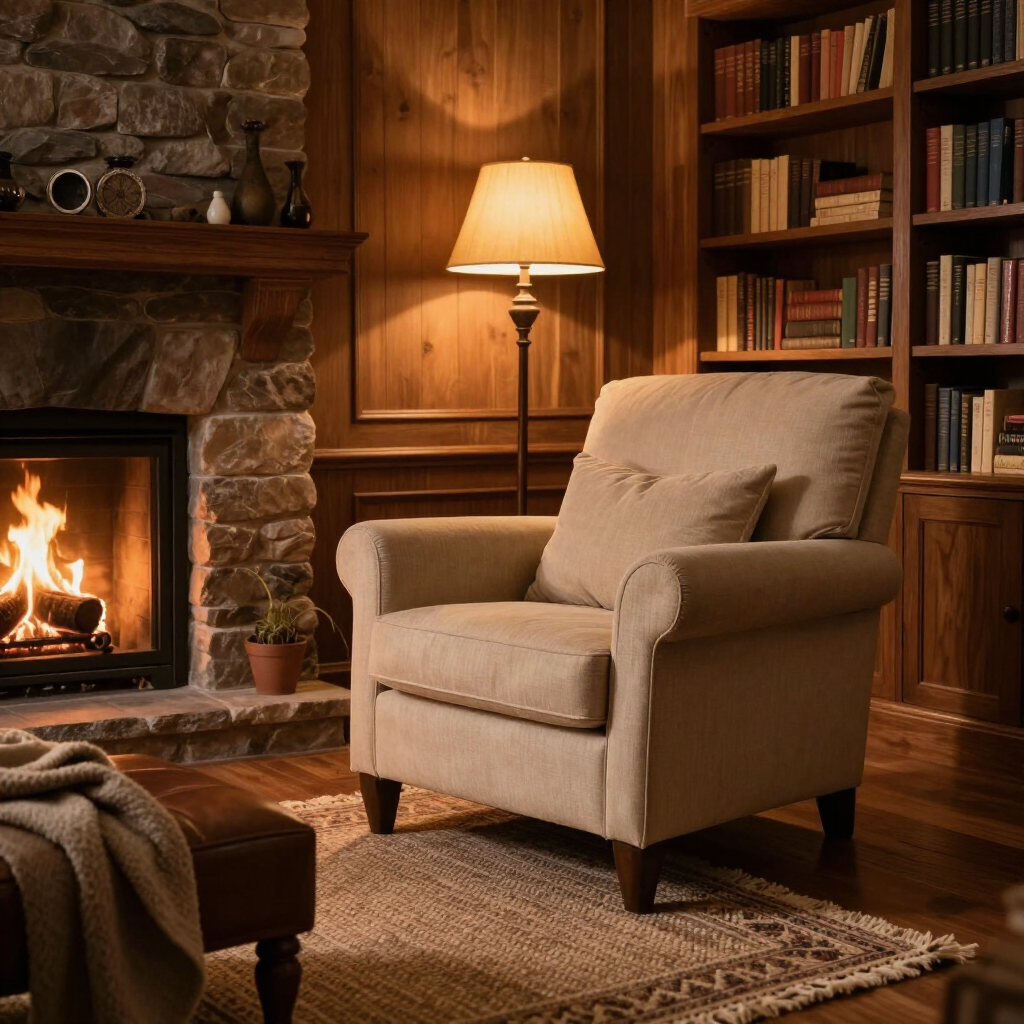
These deeper hues can give your den a more enclosed, intimate quality, especially beside brighter shared spaces. A chocolate brown wall, rust-colored chair and olive rug can create plenty of visual depth through color alone. Your room can feel layered and expressive without filling every surface with decorations.


Texture Brings Back the Tactile Side of Interior Design

A room can look simple without feeling bare, and texture is a big reason why. Think of the difference between a plain sofa and one covered in linen, boucle, velvet or woven fabric. The shape might stay simple, but the surface gives the room something to touch and look at. This trend of adding texture is certainly not new. Pile fabrics, for example, have been used for many years, with early examples from ancient Egypt and traditional Siberian carpets.


You can add patterns to the mix, too. A patterned rug, wallpaper or upholstered chair gives the eye more to explore and makes the room feel less carefully edited. These extra details help a den feel more lived-in, which is a big change from the smooth, pared-back look that has dominated minimalist interiors.


Natural Wood Adds Character That Changes With Time

Natural wood fits right into the cozy-den comeback because every piece has its own little quirks. You can see the grain, knots, color changes and small imperfections, so it’s rare for a wooden table, door or cabinet to look exactly like the next one.


Moreover, natural woods get even more interesting with age. For example, sapele’s coloring can begin with anything from
a golden hue to deeper reddish and dark brown tones, then take on a richer, darker appearance as it ages. Walnut goes in the other direction, gradually becoming lighter over time. The slow change gives your interior a sense of history.


Separate Rooms Create the Intimacy Open-Plans Often Lack

Open floor plans can make your home feel bright, spacious and easy to move through. While that appeal cooled for a while, the love continues flaming up. A 2026 survey by the American Architects Institution found that 60% of people now preferred easy-access or open layouts, compared to 31% in the previous year, proving a renewed interest in open-plan living.


However, a separate room gives you something an open space cannot always provide. Closing a door can make a movie night, a reading session or a long conversation feel like its own little event. You don’t need to do a big renovation if you want to develop closed spaces in your open-layout home. You can simply use furniture to separate rooms into designated areas.


Personality Takes the Place of Perfectly Edited Spaces

The cozy den trend leaves plenty of room for the things that make a space feel like yours, such as a shelf full of action figures, walls covered in artworks and plants filling every negative space. This may explain why the trend also lines up with the return of retro decor, which draws on styles from the 1950s to the 1980s.


Although minimalist designs can certainly be personal, the visual language usually means keeping fewer things on display. More and more people want to fill their space with discoveries that say something about who they are, making their home cozier and more personal.


Cozy Is Closing the Door on “Open Everything”

The return of the cozy den shows that your home can make room for different design languages at once. You can have an airy communal space and a room that feels darker, softer, warmer and distinctly yours.
September 24, 2026
If your rental property isn't making money like it used to, the problem might not be the market. Outdated or overly personalized design choices can make potential tenants walk away before they even schedule a showing. Fortunately, a few expert-backed design principles can transform your space into a tenant magnet that stays rented and profitable. 1. Offer a Neutral Blank Canvas You might love that deep teal accent wall or the custom wallpaper in the dining room, but potential renters want to envision their own belongings in the space. Bold personal choices can actually work against you because quality tenants are looking for a place they can make their own. "Everyone who rents your property wants to transform it into their idea of home. That is only possible if you offer them a blank canvas,” says Realty Management Associates, Inc. “It means that the moment you have added the fundamental elements of the design, you should stop."  However, the blank canvas you provide must be nicely done and properly maintained. "If your place isn't showing its best, a good prospect's impression will probably be negative ,” explains Harrisburg Property Management Group, which manages over 2,000 properties across Central Pennsylvania. “Good renters will 'judge a book by its cover' with your rental property, because they're going to seek the same standards in their home that they exemplify themselves." 2. Invest in Durable Materials Rental units take a beating over time, making durability just as important as aesthetics when you're selecting finishes and furnishings. Consider: Countertops: Quartz creates a high-end impression and is easy to maintain. Your tenants can spill coffee or wine without causing permanent damage. Performance fabrics: If you're offering furnished or partially furnished rentals, skip the delicate linens and opt for stain-resistant performance fabrics that can handle real life. Resilient flooring: Luxury vinyl plank flooring mimics hardwood but withstands scratches, moisture and heavy foot traffic. “Always use outdoor area rugs in a rental project, even indoors,” advises designer Sandra Asdourian. “They are better made for lots of wear and tear." Smart material choices mean fewer repair calls, lower replacement costs and easier turnovers between tenants. 3. Maximize Available Storage Ample storage is important for tenants, yet many landlords overlook this simple upgrade. If your rental property isn't making money the way you hoped, consider whether the lack of storage is turning away prospects who have nowhere to put their belongings. “Incorporate clever storage solutions such as built-in shelving, under-bed storage, or multi-functional furniture,” advises Design + Implementation Group. “This not only adds value to the property but also helps tenants keep the space organized and clutter-free.” A well-organized closet with double rods and shelving costs relatively little to install but signals to tenants that you've thought about their daily needs. Attention to detail can be the difference between a quick rental and months of vacancy. 4. Upgrade Lighting and Window Treatments Lighting can completely transform the mood and perceived size of any space. A good lighting upgrade might include: Swapping out harsh bulbs: Replace builder-grade fluorescent or cool-toned bulbs with warm, ambient lighting to make the space feel welcoming. Adding mood lighting for ambience: Layer floor lamps and table lamps in living areas to create depth and make spaces feel more inviting and livable. Installing smart window treatments: Choose options that offer privacy while still letting natural light filter through. Renters want to feel secure without living in a cave. Beyond Design Strategies You've painted the walls neutral, upgraded the countertops and added plenty of storage. But if your rental property isn't making money even after these improvements, it's time to look beyond design. For example, consistent maintenance keeps tenants happy and protects your investment over the long haul. If you prefer a hands-off approach to your rental properties, maintaining consistent maintenance is often easier to set up when working with a property management company. “By working with a property management company, you gain access to an entire network of vetted contractors for all necessary repairs, frequently at a much lower cost than you might be able to secure on your own,” notes Harrisburg Property Management Group. Beyond contractor access, professional property managers can help reduce vacancy periods through effective property promotion. Experts use targeted marketing strategies to reach your ideal tenants, helping your property earn money rather than cost money by standing empty. Setting rent at the right price point for your local market is also essential. Undercharging means missing out on income, but overcharging can discourage tenants and lengthen vacancy periods. “A recently renovated or well-maintained property can command a higher rent,” explains Harrisburg Property Management Group. Professionals with in-depth local market knowledge can advise you on which design upgrades or new amenities will appeal to the right demographic and help your property stand out. Maximize Your Rental Investment If your rental property isn't making money the way it should, going back to basic design principles may help. Add a robust maintenance program and professional property management support, and your rental can remain competitive and profitable for years to come.
September 2, 2026
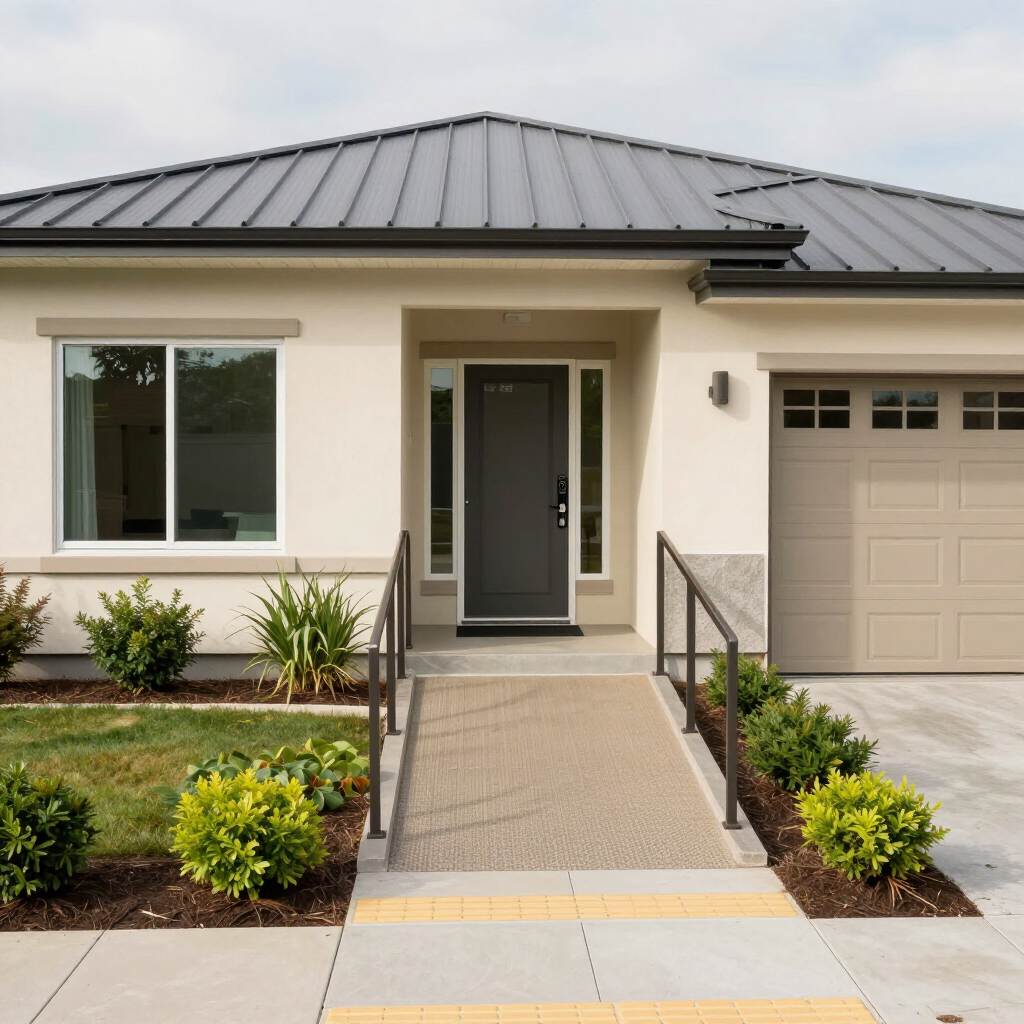
Imagine a home where every room welcomes you, no matter your age, ability or life stage. Accessible or universal design means every choice, from the layout to the furniture, prioritizes comfort and ease of use for all users. Thoughtful choices in design contrast, texture and flow can make your space friendlier, safer and more stylish for everyone. The Importance of Accessible Homes Over one in four adults in the U.S. has some type or level of disability. That means there’s a good chance you, someone you love or a visitor could benefit from more accessible spaces within the home. Accessibility also considers future-proof design features because your needs, routines and household can change over time. For example, adding a wider doorway now can make everyday life easier later, whether you’re moving bulky furniture, pushing a stroller, recovering from an injury, or assisting a loved one who uses a walker or wheelchair. Finish Contrast Highlights Uses and Spaces For a subtle yet accessibility-boosting home update, play with your home’s finish and light reflection. You can keep walls, trim and ceilings the same color to create a calm, cohesive look. Then, use different sheens to define edges and transitions. They catch light differently than flatter wall surfaces, which makes openings, level changes and circulation paths easier to identify. Here are other finish-focused ideas for your home renovation: Use a satin or eggshell finish on doors and trim so openings stand out through sheen. Choose a slightly more reflective finish for stair risers to help people distinguish changes in elevation. Pick cabinet or drawer pulls made from distinctive metals, like brushed brass or polished chrome, so you can identify the handles at a glance. Layer overhead lights and bright lamps to help different finishes remain visible from day to night. Maximize natural light with strategic windows, window treatments and curtains. Texture Adds Comfort and Character Texture evokes different responses and supports everyone. For example, there’s something comforting about feeling a soft rug underfoot. If you mix different materials, such as plush and smooth, you can give your senses more cues and make spaces feel safer and cozier. This is especially useful in rooms where avoiding slips and getting your bearings matter, including bathrooms and entryways. Simple additions, such as textured, color-contrasting strips on stair steps, make it easier for everyone to spot changes in surface level or direction. Here are more ideas for thoughtful textures: Place grip mats in bathrooms or kitchens where the floor is likely to get wet. Swap out smooth handles for ones with tactile details to make them more distinct. Choose sofa fabrics, throw pillows or wall art with a visible pattern so individuals with limited sight can get a feel of the room by touch. Intuitive Flow Makes Life Easier The best homes feel logical to move through, even when you’re distracted, carrying groceries or entertaining guests. Intuitive flow means you always know where to move next. Think naturally wide walkways, clutter-free routes and clear room transitions. Thoughtful furniture placement prevents awkward obstacles by spacing seating, tables and shelves for easy movement. Intuitive flow and accessibility can support independence and ease of movement in multilevel homes. For example, a wheelchair-friendly elevator can make upper floors more accessible for individuals with mobility issues or those who want to age in place. The best home layouts work regardless of someone’s capabilities and age. Here are more flow tips: Mark activity zones by setting down huge rugs or clustering furniture. Use a wide console near your door for easy drop-offs when you come and go. Place hooks, shelves or baskets at comfortable heights for everyone. Accessibility Is Good Design When you design for everybody, you design for a happier, more flexible future. Any change you make — whether it’s a bold color choice or a more thoughtful layout — for comfort, style and inclusiveness is a win for every occupant and visitor.
August 21, 2026
You have things that matter to you, whether it’s vintage vinyl, favorite books or souvenirs from your travels. Yet often, these special items get tucked away in boxes or squeezed onto shelves. Finding a way to display your collections without disrupting your carefully designed space is a challenge many people face.  The good news is you don’t have to choose between displaying your passions and having a stylish home. With a few simple tips, you can turn your favorite items into eye-catching displays that actually enhance your decor. Explore fun ways to highlight what you love while keeping your space looking great. Why Showcase Your Passions Many homeowners fear that displaying personal hobbies will make their space look cluttered or juvenile. This mindset is worth reframing. When displayed thoughtfully, your collections become intentional design elements. They're unique storytelling elements that make a house feel like an authentic home. A space that reflects your personality is far more interesting and welcoming than a generic, catalog-perfect room. Start by identifying three to five hero pieces from your collection. These are the items that hold the most personal meaning or have the strongest visual appeal. Focusing on your favorites makes the task less overwhelming and ensures your display feels intentional rather than haphazard. Tips for Displaying With Intention To curate a collection in a design context means making deliberate, thoughtful choices. Embrace the less-is-more philosophy. A few well-displayed items often have a greater impact than a hundred crowded together. Consider these tips and principles: Group similar items: Display similar things together, whether it’s by color, theme, or type. It’s a simple trick, but it really draws the eye and makes your collection look intentional. Use the rule of odds: Go with odd numbers when you arrange things — threes, fives, or sevens. Odd-numbered groups just feel more natural and visually interesting than even ones. Give it breathing room: Don’t be afraid of empty space. Leave a little breathing room around each piece to help it stand out and keep everything looking neat and purposeful. Creative Display Solutions for Common Collections Different hobbies require different approaches. Here are specific, actionable ideas for common collections. For the Media Lover If you collect vinyl records, CDs or DVDs, use vertical space to your advantage. Tall, narrow bookcases keep media organized without overwhelming a room. Picture ledges work beautifully for displaying album art, and rotating featured pieces seasonally keeps your display fresh and dynamic. For the World Traveler Create a cohesive gallery wall with frames in a similar style or color. This pulls disparate images and mementos together into one intentional feature. Small souvenirs can live on floating shelves within the gallery, and mixing flat pieces with three-dimensional objects adds visual depth. For the Builder and Creator Display cases with integrated lighting are ideal for protecting creations while highlighting them. Acrylic or glass cabinets keep dust away from delicate surfaces. Hanging organizers are also a good space-saving trick , making them an ideal option for less precious accessories. The transparency lets your work shine without adding visual clutter to the room. Create a Dedicated Zone Sometimes, a shelf just isn’t enough, especially if your hobby needs a bit more room or special care. If that sounds like your collection, why not set aside a dedicated spot for it? A cozy den, an unused corner or even a revamped garage can easily become your personal hobby hub. That way, everything has its place, and you can really enjoy your passion to the fullest. Garages are particularly appealing for larger collections. However, proper finishing is essential. Unregulated temperature swings can quickly damage collectibles , which defeats the entire purpose of having a dedicated display space. Successfully incorporating a hobby zone is part of a larger strategy for creative storage solutions throughout your home. Let There Be Light: Illuminating Your Collection Lighting transforms a simple display into a professional-looking feature. Strategic illumination draws the eye and creates visual interest. Accent lighting: Spotlights or picture lights draw attention to specific pieces and create focal points in your room. Integrated lighting: Shelves or cabinets with built-in LED strips provide even, flattering illumination that makes your collection look museum-quality. Moreover, LED bulbs utilize 75% less energy and last longer. Natural light considerations: Position collections away from direct sunlight to prevent fading, but near windows to let ambient daylight enhance colors and textures during the day. Your Home, Your Story Displaying your collections with intention elevates your home's design rather than detracting from it. Curate thoughtfully, find the right display solution for your hobby, consider dedicated zones for larger collections, and use lighting effectively. A well-designed home should always reflect the personality and passions of the people who live there.
August 21, 2026
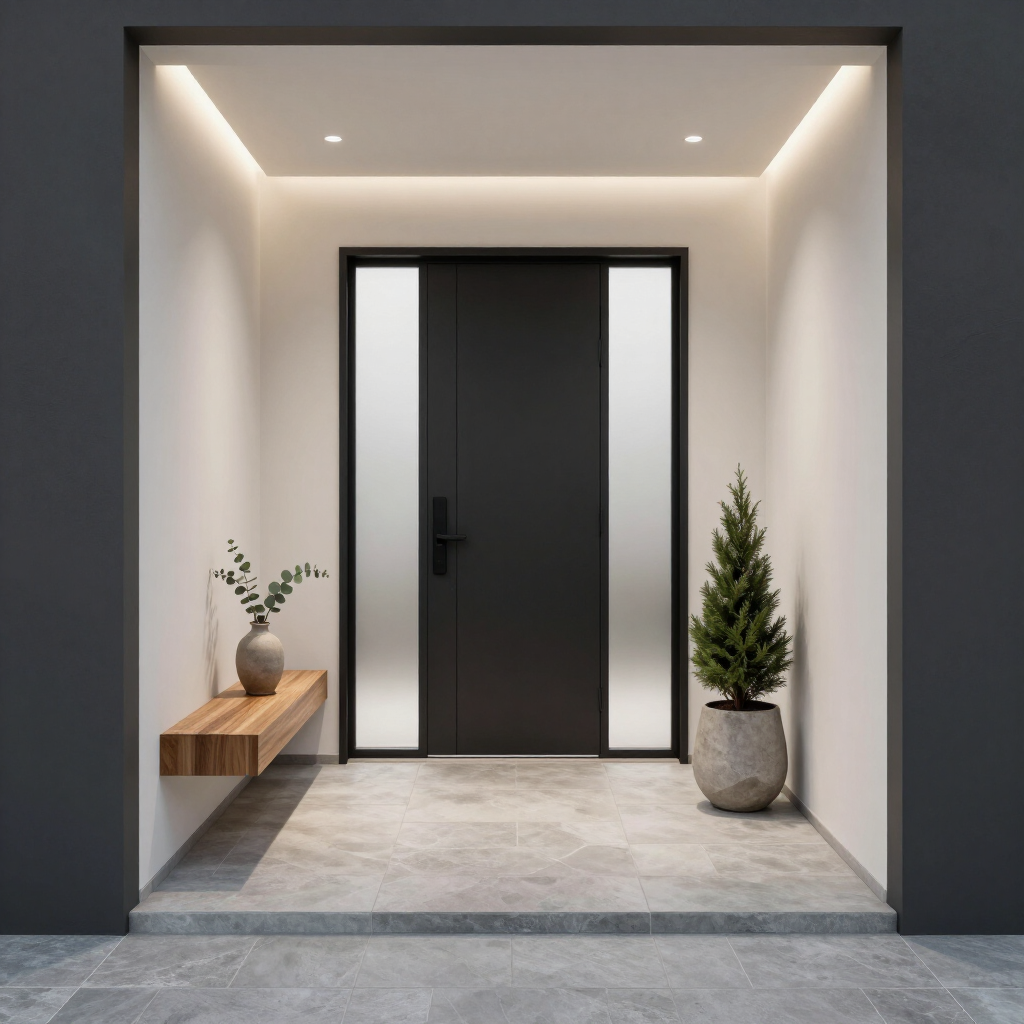
Your entryway makes the first impression, setting the stage for your entire home. Whether guests are greeted by a front porch bursting with flowers or a tidy mudroom with warm lighting, this space instantly signals what's to come. With a few simple seasonal updates, you can create an entry that feels fresh, welcoming and thoughtfully designed all year. Spring Outdoor Styling That Feels Fresh and Inviting Spring is the easiest season for a quick refresh because nature provides much of the inspiration. Start with a lighter color palette such as soft green, pale blue, creamy white or blush. A new doormat, a pair of planters filled with seasonal flowers and a wreath made of fresh or realistic greenery instantly brighten the front porch. If you want to decorate a small table, choosing the right vase is key to a beautiful flower arrangement. Select one that complements your blooms and the overall design style. For instance, tall vases are ideal for long-stemmed flowers , while narrow-necked vases work well for showcasing a single flower or just a few stems. Natural light intensifies in spring, so consider how sunlight falls on your front door throughout the day. Light-colored exterior surfaces generally absorb less heat than dark surfaces, which can help reduce heat buildup around entry areas. Choosing lighter seasonal accessories can keep the porch feeling cooler and more comfortable during sunny afternoons. Summer Porch Styling That Stands Up to Heat and Sun Summer is when outdoor entryways work the hardest. Strong sun, humidity and heat can affect both your decor and your front door. If your door is made of wood, heat and humidity can cause it to expand , making it harder to open and close. Prolonged sun exposure can also fade paint and contribute to chipping and cracking. This is why it is worth choosing durable finishes and regularly checking your door's condition to keep things looking intentionally styled. If your porch receives intense afternoon sun, add shade with a porch awning, exterior shade sail or a large potted plant positioned to protect the door. Inside your front door, leave open baskets for sandals, a tray for sunglasses and a ceramic bowl for keys to help maintain order during the busiest travel season. Swap heavy winter textiles for lighter materials such as cotton, linen or woven grass. A slim runner in a subtle botanical pattern, a vase of fresh branches and a mirror that reflects daylight can make a small hallway feel noticeably brighter. Fall Styling That Adds Warmth and Texture As temperatures cool, your entryway can become richer and more layered. Fall is the season for texture. Think woven baskets, natural wood, matte black accents, and textiles in rust, olive, camel and deep burgundy. Olive green emulates the colors of the season , making it a natural fit for cozy fall spaces. On the porch, use pumpkins, ornamental grasses and lanterns rather than overcrowding the space with many small decorations. A single oversized planter on each side of the door often looks more curated than several tiny pots. If you enjoy seasonal wreaths, choose one with dried leaves, eucalyptus or seed pods for a sophisticated look. Indoors, add a washable rug with a deeper color palette and include a bench with a textured throw. A small table lamp in the foyer can make evening arrivals feel especially cozy as daylight hours shorten. Winter Styling That Feels Welcoming and Festive Winter entryways should focus on warmth, function and light. Snow, rain and mud can quickly make this area feel chaotic, so storage becomes part of the design. Closed baskets, boot trays and wall hooks keep outerwear organized while still looking attractive. For outdoor decor, evergreen branches, simple white lights and a natural wreath provide seasonal charm without overwhelming the architecture of your home. Avoid blocking pathways with large decorations, especially in areas that may receive snow or ice. Lighting in entryways and walkways is especially important in winter to enhance visibility and safety. Use brighter porch lighting near steps and warm ambient lighting indoors to create a comfortable transition from outdoors to indoors. How to Create a Curated Indoor Entryway Year-Round No matter the season, the most polished entryways share a few common traits — limited clutter, consistent finishes and a clear purpose for each item. Start with a foundational palette that stays in place all year, such as white walls, natural wood and black or brass hardware. Then layer seasonal accents on top. A simple formula works well in most entryways: One rug One mirror or piece of artwork One light source One storage element, such as a bench, console or cabinet Adding hooks is also an easy way to make your entryway feel welcoming , since they give guests a space to place their coats or purses as soon as they walk into your home. A Welcoming Entry in Every Season Refreshing your entryway seasonally is easier than it may seem. Updating colors, lighting, greenery and a few carefully chosen accessories helps you keep both your outdoor porch and indoor foyer feeling fresh and thoughtfully curated year-round. Small seasonal changes help your home feel more welcoming, functional and connected to the time of year every time you walk through the door.
August 11, 2026
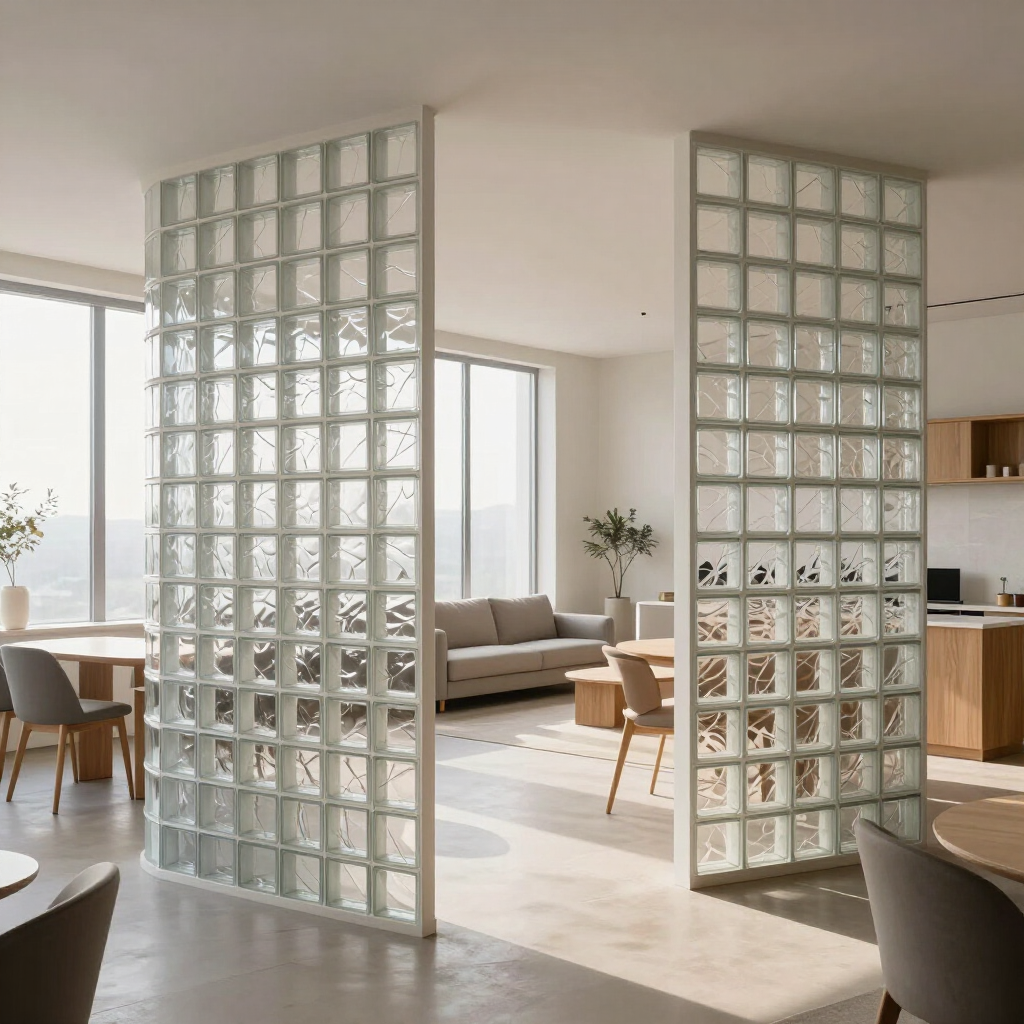
An open floor plan gives off an airy vibe and offers stunning sightlines, but it can sometimes make your home feel like a fishbowl. You love the brightness and flow, but you still need a space to work and relax. Not to mention the privacy issue. Fortunately, translucent glass partitions solve these problems by creating distinct zones that still feel spacious. When placed properly, partitions become a stylish architectural element that’s trendy and beautiful. Understanding the Glass Block Comeback Glass blocks are thick, molded glass pieces that fit together to form walls or partitions. They were a common sight decades ago, but the trend faded. Maybe it’s because it reminded people of Miami Vice. Either way, minimalism took over, and glass blocks fell out of style. Fast forward to today, and designers are seeing the serious design potential. Homeowners are starting to recognize how glass blocks effortlessly blend form and function. Plus, modern manufacturing can give these blocks a more uniform look. Or a jagged look, if you’re fancy. These technological advances are turning a retro relic into something more. Solving the Open Concept Privacy Problem Open floor plans are supposed to brighten up your space and encourage connection. The light is nice, but for some, the openness is a drawback, especially in office environments. Research shows open-plan setups cause mental fatigue , even when you try to ignore the distractions. These issues may also affect casual home environments or work-from-home freelancers. When you’re concentrating on work, and someone is watching TV nearby, you start to see how detrimental an open concept can be. And according to a 2021 Rocket Homes survey, 48.8% of respondents preferred a traditional layout to an open one. Glass partitions give you the best of both worlds. They dampen sound and create visual separation while keeping an airy atmosphere. Zoning Your Spaces While Maximizing Natural Light The right placement can help you define specific parts of your home while maximizing sunlight. Imagine a translucent wall separating your home office from the living room. At 8 a.m., that natural light filters through the textured surface, casting a water-like shimmer across your desk. Your Zoom calls feel more private because the people in the living room can’t see the screen. When the afternoon comes and the sun starts to set, the golden hues keep reflecting through. It keeps that open feel while marking where work ends and relaxation begins. Rachel Robinson, in an article from House Beautiful, stresses the point of treating them like architecture. When glass blocks function as a window rather than as decor, it feels more intentional and less like a nostalgic choice. Pairing High-End Materials With Your Partitions A well-decorated house is a series of intentional choices that add up to a coordinated whole. With this in mind, glass blocks work well with other luxurious textures and materials. Marble countertops, for example, create great visual contrast. The marble stone’s veining plays well against the geometric glass, while natural stone like quartzite and dolomite offers swirling patterns that complement the clean lines of the partition wall. Engineered quartz also works well for similar reasons and provides durability with a high-end aesthetic. The key is to balance the modern quality of translucent glass with the organic richness of natural stone. When together, they make spaces feel contemporary. Exploring Modern Applications Like Glass Block Flooring While glass block partitions are fun, you can also use glass blocks in floors. Forward-thinking designers are incorporating them into hallways and staircases to create a translucent walkway. Underneath the blocks, a designer may add backlighting or images. Just picture a second-floor hallway with sections that transmit natural sunlight from a skylight to a darker first-floor living room. If you have a loft or a modern townhouse, these installations can set your home apart from the rest. But try to avoid areas that require privacy, like bathrooms. Building Budget-Friendly Alternative Partitions If you want a full glass partition installation, you’ll need professional expertise and an up front investment. But if you’re still saving and need a temporary separator, there are plenty of budget-friendly options. For example, you can separate areas with homemade partitions. Tension rods with sheer curtains, movable folding screens or repurposed pallets offer affordable and flexible room division. You can also use these walls to assess where you want to put your glass blocks in the future. Enjoying Your Newly Zoned Home A glass block partition can completely change how you experience your home. You’ll appreciate the dedicated space for focused work while your entertainment and private parts of your life stay semi-separate. Start planning your partition project today to discover these benefits for yourself.
August 6, 2026
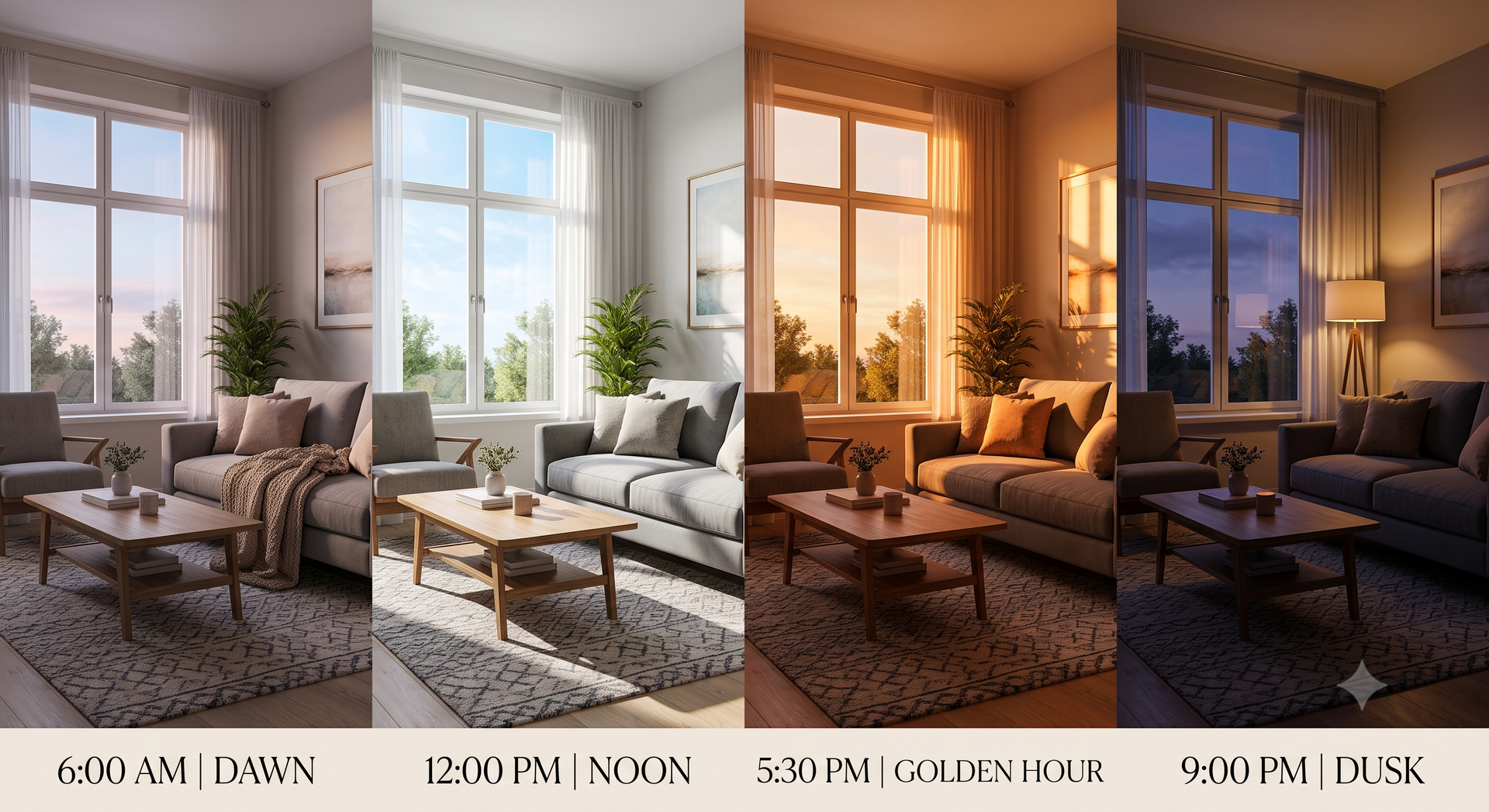
Your living room can feel completely different depending on the time of day. As the sun moves across the sky, it alters the shadows, temperature and the shade of paint on your walls. Whether you're picking new paint colors or making your patio more comfortable, understanding how light shifts helps you take control of your design. The Science Behind Sunlight and Your Space Sunlight’s appearance moves from cool, bluish light in the morning to bright white at noon to warm, golden tones by evening. Your biology responds to these changes, which is why bright rooms wake you up while dimly lit spaces make you sleepy. Research shows that natural light “contributes to mental well-being in various settings” by regulating circadian rhythms , boosting mood, reducing stress and enhancing visual comfort. When designing a home, you're actively designing for your health and comfort. Navigating Cool Morning Light and Fresh Color Tones East-facing rooms showcase the crisp, bluish tint of early morning light at its finest. Lighter paint colors thrive in this environment. Soft white walls appear exceptionally clean, while pale blue rooms take on an airy quality. Imagine sipping coffee in an east-facing breakfast nook with soft, fresh tones on the walls. Natural light amplifies that “awake” feeling, helping you start your day energized. Reserve these palettes for spaces where you want to feel alert early, such as a bathroom, kitchen or home gym. Managing Midday Heat and Intense Afternoon Glare As the clock strikes noon, the sunlight turns from crisp to harsh. It casts sharp shadows and intense glare across your floors and furniture. South and west-facing rooms can quickly heat up, making them uncomfortable and forcing your air conditioning to work overtime. Installing high-quality shades can help you regain control. They block up to 90% of heat before it reaches your windows and can help save up to 30% on energy bills. Motorized options let you adjust the shades with a remote or schedule configurations in advance to keep your space cool during peak hours. Creating Depth and Warmth During the Golden Hour In the late afternoon, the harsh glare of midday softens into a rich, golden hue. West-facing rooms come alive, with wood tones looking richer and paint colors like terracottas glowing beautifully. WebMD points out that people universally associate color with emotions , though responses may vary by individual and culture. “Hue, saturation and brightness affect how you respond to the color in your environment.” For rooms where you spend your evenings, such as a dining room or den, choose earthy tones that harmonize with the golden hour. It’s a subtle signal that it's time to relax. The Impact of Artificial Lighting After Sundown Your home relies entirely on artificial lighting once the sun goes down. A room that feels bright at noon can feel flat at night with harsh, overhead lighting. Layering different sources, such as floor lamps or wall sconces, adds depth and richness to saturated spaces. The color temperature of your bulbs plays a major role in setting the mood. A study found that colored lighting can increase and decrease different emotions among occupants. “Red light reduces feelings of calm, relaxed, stability and pleasure, and elevates feelings of irritated and nervous,” the researchers explained. “Blue light reduces feelings of relaxed and stability and increases irritated feelings. Green light reduces the feeling of pleasure and yellow light reduces irritated feelings.” Stick to warm, soft-white bulbs for relaxation, or use smart lighting to adjust the color temperature depending on your activities. Frequently Asked Questions Here are answers to common questions about how light impacts your home. How does natural light change the appearance of paint color? According to RKM Homes, light intensity and direction can change how color appears throughout the day. “Bright, high-intensity daylight can wash out delicate pastels and accentuate cool or warm biases in near-whites, while low-intensity, diffuse light tends to soften colors and reduce perceived contrast,” the homebuilder shares. Always test paint swatches on your walls at different times before committing. Are motorized patio shades worth the investment? Yes. According to Shading Texas, shades can reduce your energy bill by blocking up to 90% of the sun's heat before it hits your windows. Beyond energy savings, motorized patio shades keep out bugs, block the hot summer sun and protect you from chilly winter winds. The convenience of adjusting the shades with a remote makes them a smart investment. How does the direction a room faces affect natural lighting? Room orientation influences the light you receive. North-facing spaces receive cool, indirect light all day, while east-facing spaces enjoy bright morning sun. Intense light floods south-facing areas most of the day, and western exposures capture the golden glow. Understanding these patterns helps you choose the right paint colors and treatments. Designing a Home That Shines Around the Clock Manipulate light and color to serve your lifestyle, from morning coffee to evening relaxation. Embrace the changing shadows, use shades to reduce intense heat and layer your lighting. With the right strategies, your home will look and feel beautiful every hour of the day.
August 5, 2026
You love the way your home looks, until a stray crayon mark shows up on the wall or a juice spill soaks into the rug you just bought. If you're raising kids, you want a space that feels like you but also survives daily life. With the right materials and smart safety choices, you can build a home that looks as good as it lives and grows with your family for years to come. Build a Foundation That Forgives The smartest design choices aren't based on how materials look in a showroom. They're based on how they perform under real daily use. Studies show the physical home environment has a measurable impact on child development and family well-being, meaning material choices shape daily life, not just aesthetics. Choose Flooring That Stands Up to Life Flooring needs to meet three priorities, including durability against daily wear, ease of cleaning up messes and resistance to scratches from toys, furniture legs and pets. Luxury vinyl plank (LVP) checks all three boxes. It's fully waterproof, so spills wipe up without damage. It's also the most consistently practical choice for high-traffic family areas. LVP typically costs less up front than hardwood and holds up longer under kid-heavy conditions. Opt for Family-Friendly Fabrics and Surfaces Performance fabrics for sofas and chairs now look identical to standard upholstery but resist stains and moisture. Quartz countertops are nonporous, resist staining and scratching and require far less maintenance than natural stone, which needs regular sealing. For walls, washable eggshell or semigloss paint lets marks and handprints wipe off without repainting. Avoid flat paint in high-traffic rooms like hallways and playrooms. Make Safety an Invisible Part of Your Style The best safety measures are designed in from the start, not bolted on later as clunky afterthoughts. The National Safety Council identifies water sources, heat and flame sources, toxic substances under sinks, and fall hazards near stairs and windows as the most common high-risk areas in a home. The Importance of Anchoring Your Furniture Dressers, bookcases and TVs are top-heavy enough that a climbing child can pull them over. Between 2020 and 2022, an average of 6,400 children visited the emergency department for furniture tip-over injuries each year. Anchor kits are relatively cheap and take about 20 minutes to install. Focus on heavy or climbable furniture, such as dressers, bookcases and TV stands. Smart Ways to Reduce Everyday In-Home Risks Cordless window coverings remove the strangulation risk that looped blind cords pose to young children. Install safety gates at both the top and bottom of stairs to prevent falls in either direction. Corner and edge bumpers on furniture and fireplace hearths help protect toddlers as they learn to walk. Outlet covers and cabinet safety latches in kitchens and bathrooms address the highest everyday risks. Brands to Help You Create Your Space Here are four examples of what to look for based on durability and safety standards. Whether you buy luxury vinyl flooring, kid-friendly furniture or machine-washable rugs, these companies will help you tackle safety one room at a time. 1. All American Flooring for Durable, Stylish Flooring All American Flooring is a strong example of a company built around durable, good-looking flooring, especially luxury vinyl plank. Its specialization in installation and material guidance matters for parents who may not know how to evaluate flooring durability on their own. Family-owned and serving the Dallas-Fort Worth area since 1990, it’s an established local resource for homeowners looking to buy luxury vinyl flooring in Dallas. 2. Room & Board for Modern and Safe Furniture Room & Board focuses on durable materials and solid craftsmanship, which matters more in a family home than trend-driven design. Rounded edges and soft-close drawers are examples of safety built into the design itself. Its range spans both kid-focused and general furniture, so parents aren't limited to a kids-only aesthetic. Its focus on pieces that can serve multiple functions is also key, as multipurpose furniture can adapt to a family's changing needs as children grow, making it a smart, long-term investment. 3. West Elm for Whimsical Kids' Lighting Good lighting for a kid's room should be layered. Use overhead lighting for general use, task lighting for homework or reading and soft ambient lighting for bedtime. West Elm's kids' collection covers all three layers without sacrificing style. Good lighting design also supports safety goals, since well-lit stairways and hallways reduce fall risk at night. 4. Ruggable for Washable, Life-Proof Rugs Machine-washable rugs solve a real problem. Spills, crayon marks and muddy shoes all come out in a normal wash cycle, rather than requiring professional cleaning or replacement. Ruggable is a leading brand built around this need and its style range is wide enough that washability doesn't mean settling for a plain look. Your Dream Family Home Is Within Reach Choose materials that forgive daily life and build safety in from the start rather than adding it as an afterthought. You don't need a full renovation to see results. Small swaps like anchoring furniture or switching to a washable rug can make an immediate impact. The right choices let you have both beauty and practicality for as long as your family needs it.
July 28, 2026
Designing the floor layout is a crucial step in curating your home. Many factors can affect them, including the lighting in your home. While often underrated, natural light can actually help shape how your space’s design and decor flow. It becomes even more evident when you dive into light maxxing. What Is Light Maxxing? Light maxxing is a popular trend that aims to optimize the amount of sunlight entering your space. It joins several subgenres under the “maxxing” craze, where search volume had increased from 1,900 to 9,900 monthly searches between April 2025 and March 2026. While maxxing is often associated with facial symmetry and lifestyle optimization, almost every industry has its own version of maximizing a particular aspect. Interior design is no exception. It’s worth incorporating light maxxing into your home’s floor layout. The presence of sunlight can offer your home a connection to the great outdoors. It also improves visibility in your home. Lighting already takes up to 3.4% of the residential sector’s electricity consumption in 2025. By letting in more natural sunlight, you could reduce your reliance on artificial lighting and save on utilities. How to Optimize Floor Layout for Natural Sunlight Say hello to the sun with these strategies that optimize floor layout and improve natural lighting. 1. Move Furniture to Avoid Blocking Windows People tend to place tall and bulky furniture like bookshelves and display cabinetry against the wall. However, some people make the mistake of blocking the windows and reducing the amount of light. Consider rearranging the space to put those furniture pieces elsewhere. Depending on your window’s height, you could put low to mid-height items underneath to continue welcoming natural light. Plus, these pieces get minimal light exposure to preserve their quality. 2. Select a Different Set of Drapes Your curtains are meant to help diffuse light and provide a little bit of privacy. However, if you want to indulge in light maxxing, it helps to choose materials that let more light through without sacrificing your privacy. For example, sheer or semi-sheer fabrics can provide that soft and airy glow while covering your interiors from the outdoor world. Hang these high and wide from the windows to keep the glass relatively exposed. 3. Be Intentional With Door and Hallway Design If you’re in the process of renovation, consider integrating better doors and hallways. These additions will allow the outdoor light to flow seamlessly throughout the design while still providing zoning. Ideally, your hallways will be wider with fewer harsh corners. Meanwhile, choose space-saving door fixtures for your home. French doors can open up indoor areas with bright, natural light. Sliding doors can also work for closets and pantry areas. 4. Choose the Right Color Palette for the Layout Color palette is key to more than just aesthetics. Darker colors can emphasize a room's lack of light and make the floor plan seem a little smaller. Consider using neutral or brighter colors, such as peach, cream, or terracotta, on the walls. 5. Place Reflective Materials in the Shade Be careful of how you decorate your floor layout while light maxxing. There was a recent news story about how a living room caught fire after sunlight bounced off a glass ornament on a windowsill. Try to keep high-risk reflective materials out of direct light. Naturally Illuminate Your Home Light maxxing may seem like just a passing trend, but it’s actually vital for regulating and even optimizing the amount of sunlight in your home. Find ways in your layout to welcome these sunrays on your own terms, illuminating your home and creating a well-thought-out floor plan.
July 28, 2026
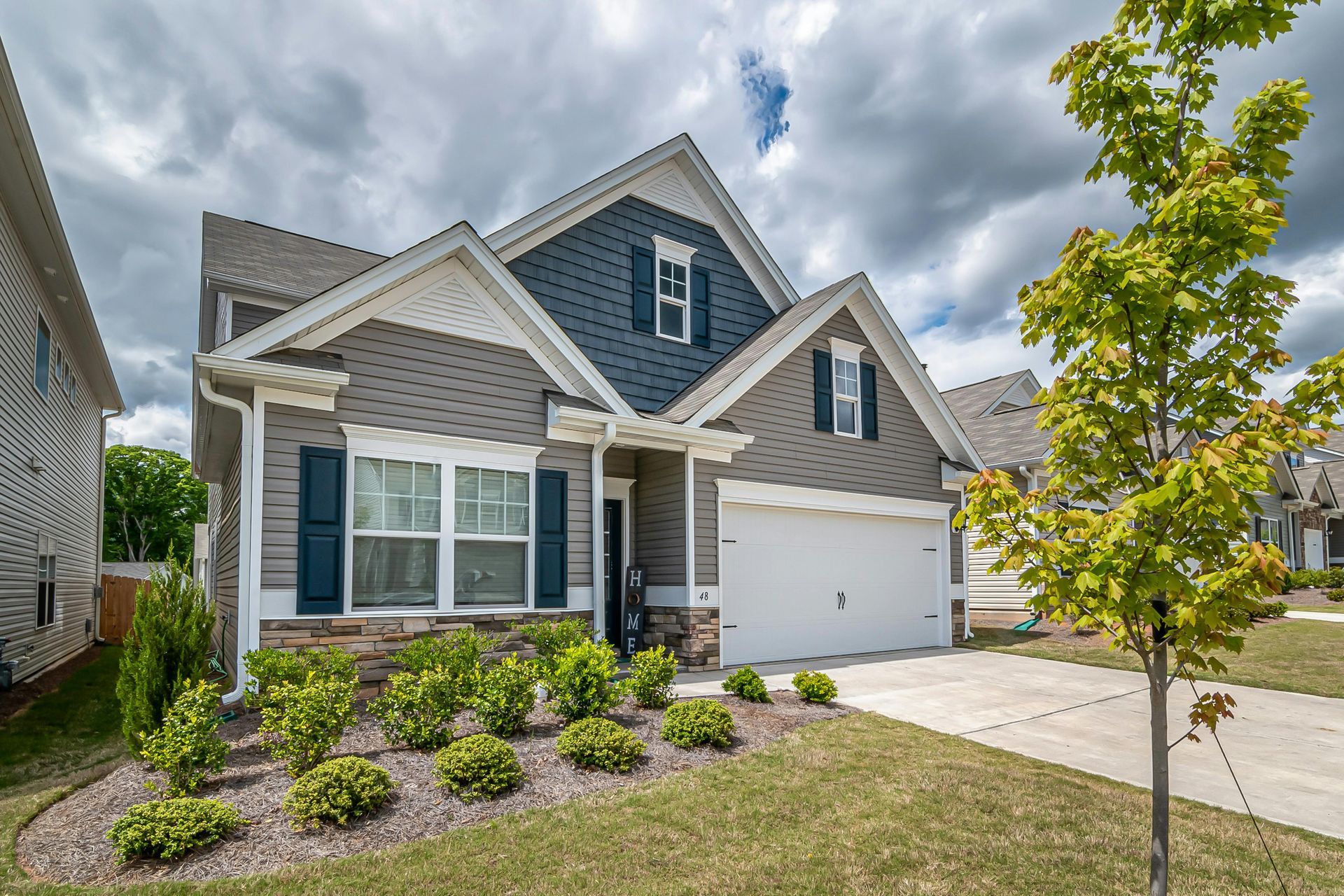
Builder-grade fixtures offer a functional home at an affordable price, but over time, the desire for a more personalized, designer aesthetic becomes undeniable. Swapping out generic features for stylish upgrades — from carriage house garage doors to high-end faucets — can transform your space from cookie-cutter to custom without requiring a complete renovation. The "Cookie-Cutter" Problem With Builder-Grade Homes A builder-grade home prioritizes speed and affordability over customization. Developers often choose the same fixtures, finishes, and materials across multiple properties to streamline construction. While this approach keeps costs down, it can leave your home feeling generic and indistinguishable from others in the neighborhood. Personalization takes a backseat, making it difficult to express your unique style and preferences. How to Decide Which Features to Upgrade First Smart prioritization is the key to a successful upgrade. Financial return and personal satisfaction are two factors that can guide you toward the right choices. Consider Your Return on Investment Certain upgrades add more resale value than others, making them wise investments. Exterior curb appeal projects often provide the biggest return. Zonda’s 2025 Cost vs. Value report shows that a garage door replacement can recoup 267.7% of its cost at resale. Other exterior upgrades also rank highly, making them ideal starting points for homeowners who want both immediate visual impact and long-term financial benefit. Identify Your Personal Style Your house should reflect your personality and embody the changes that bring you the most happiness. One report found that many homeowners feel a sense of accomplishment and increased happiness at home after completing a remodeling project. Choosing upgrades that resonate with your aesthetic vision ensures your investment feels rewarding on both practical and emotional levels. 6 Upgrades to Create a Custom-Feeling Home Several common areas reveal builder-grade quality most noticeably, making upgrades particularly impactful. Here are high-impact ideas to get you started. 1. Protect and Impress With a New Garage Door Your garage door occupies significant visual real estate and defines your home's character. If you're exploring garage door options, Clopay® is known for having some of the most top-rated carriage house garage doors for residential homes.They have lots of design and insulation choices to work with, which is perfect for homeowners who want to customize their home’s look. Their EZDoor™ visualizer tool allows you to upload a photo of your home and see how different styles would actually look before committing. 2. Make a First Impression With a Stylish Front Door Your front door sets the tone for your entire home. Upgrading the hardware and materials can increase curb appeal significantly in the long run. If you're drawn to the warmth of wood, Simpson Door Co. has a wide variety of options that bring that custom feel with both exterior and interior versions to align with your architectural vision. 3. Illuminate Your Style With Designer Light Fixtures Basic light fixtures can make a space feel dated or less inviting than it should. Visual Comfort offers a wide range of designer lighting to fit your architectural vision. You can enhance your space with ceiling fixtures, wall sconces and lamps to create the ambience you want. 4. Frame Your Views With High-Quality Windows Windows impact both interior and exterior aesthetics. Milgard Windows helps you set the mood with various styles and materials. Its fiberglass options ensure your home remains durable and sustainable while maintaining a stylish appearance. 5. Elevate the Details With Unique Light Switches Swapping out plastic light switch plates can make your home feel more luxurious. Forbes & Lomax offers signature metal switches that add a touch of elegance. These installations can blend seamlessly with your walls, whether you prefer specific colors or patterns. 6. Add Luxury With High-End Bathroom and Kitchen Faucets Faucets are subtle yet vital fixtures in kitchens and bathrooms. Kallista offers artistic, high-end options that feel more like furniture than functional hardware. You can also explore showering and bathing fixtures to complete the transformation. Start Your Journey to a Truly Custom Home Upgrading from builder-grade is an achievable way to create a home that reflects your personality and brings you joy. Dream big and choose impactful options like top-rated carriage house garage doors, stylish front doors and designer lighting to make your space truly yours.
July 8, 2026
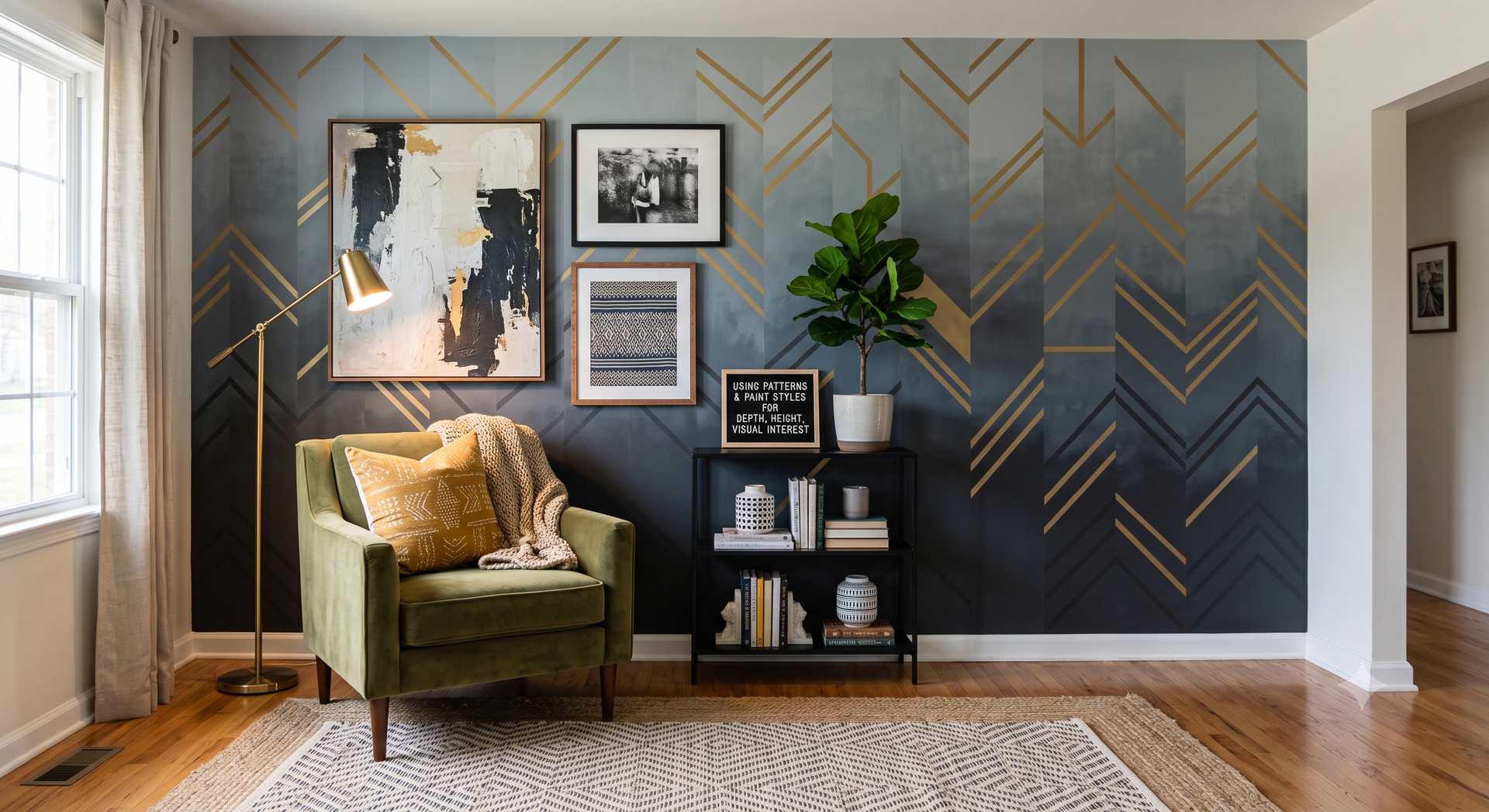
Staring at plain walls can feel uninspiring, but paint and pattern offer something remarkable. They can change the very shape of a room, making small spaces feel expansive and low ceilings soar. With the right techniques, you can create a home that feels deeply personal and where every space sings. Create Depth to Make Your Rooms Feel Larger These techniques are all about visual trickery. The goal is to make walls seem farther away than they are, turning small rooms into spaces that feel more expansive. Use an Accent Wall to Reshape the Space A dark, saturated color on one wall makes it visually recede while also commanding attention. Here's which wall to choose: To lengthen a boxy room: Paint the wall at the far end. This draws the eye through the space. To balance a long, narrow room: Paint one of the longer walls to push it back and make the room feel wider. In a dark room: Paint the wall opposite the window to maximize what light there is. Layer Tones for Subtle Dimension Tonal gradation uses a monochromatic color scheme to add depth with lower contrast. The result is a serene, cohesive and expensive-looking space. Imagine painting the walls a soft greige, the trim a medium-toned greige and an interior door in deep charcoal greige. You can do this with any color you love. Anchor the floor with the darkest tone, transition to mid tones on the wall and elevate the ceiling with the lightest tone. Your eye will then travel upward naturally. Try Color Drenching for an Immersive Feel Color drenching means painting everything in the same color and finish. Walls, baseboards, window trim, crown molding and doors all get the same treatment. By erasing the visual breaks where trim meets wall, you create a seamless wrap of color that makes a space feel larger and grander. The concept has roots in early 20th-century modernism and period European homes, where color was used to great effect. Add Visual Height to Any Room Many standard ceilings can feel oppressive, but the right techniques create an illusion of height and airiness: Reflect light with a high-gloss finish: A ceiling painted this way acts like a subtle mirror, bouncing light around the room. Draw the eye upward with vertical stripes: Vertical stripes in a painted pattern or on wallpaper guide the eye from floor to ceiling, tricking the brain into perceiving more height. Lift the ceiling with a lighter shade: This is the most traditional trick. When the ceiling is painted crisp white or a color significantly lighter than the walls, the contrast makes it appear to float above the room. Inject Personality With Bold Visual Interest Beyond creating an illusion of more space, patterns and paint styles can also be intentional, joyful design choices that make a home more fun and memorable. Make a Statement With Pattern Drenching Pattern drenching uses wallpaper or painted patterns to cover more than just walls — think shelving, alcoves and the ceiling. It was often seen in Victorian maximalist decor that mixed florals, paisley, tartans and botanicals. If this appeals to you, go for a wide mix of patterns. A single or several closely related ones can feel overwhelming, or like you were trying to match but failed. It might seem counterintuitive, but multiple unrelated patterns instead feel deliberate and strangely cohesive. Get Cozy With a Luxurious Tented Ceiling This trend uses fabric or a painted pattern to create a chic, draped look. It dates back to ancient Rome and its military tents, but with a modern twist. Stripes are particularly effective, but florals or plain colors work too. Done well, a tented ceiling gives an intimate yet dramatic jewel box look. It can also hide an unattractive ceiling or lower one that feels too high. Turn Your Ceiling Into a Fifth Wall This is about making the ceiling a show-stopping feature. You're treating it like another wall for color, which opens up all kinds of possibilities. Consider: The moody sky: Paint the ceiling a deep color like navy blue or charcoal gray in a room with light walls to create dramatic contrast. The unexpected pop: Use a vibrant color like sunny yellow, coral or hot pink that isn't found anywhere else in the room. The touch of glamour: Try metallic paint in gold, silver or bronze to create a reflective surface that adds warmth and luxury. The cohesive oasis: Use diadic colors — separated by one shade on the color wheel — on the wall and ceiling to create subtle, inviting contrast. Think pale lavender and dusty rose, minty green and soft slate blue or sage green and soft mustard. Transform Your Home With Paint and Pattern Playing with paint and pattern gives you a full playbook of techniques for creating depth, height and visual interest. If you want to start small, a powder room is a great place to experiment. Once you’re ready, trust your instincts and have fun creating illusions and spaces that feel truly yours.
Show More