How to Design Beautiful Spaces That Serve Your Lifestyle
You see a stunning, all-white living room on Instagram, but the thought of having your dog, your kids or even a cup of coffee near it causes instant anxiety. Designing your home shouldn’t be about creating a flawless showroom. It’s about crafting a place that serves as a functional and loving backdrop for your real life.
Make choices that support your routines, reduce stress and bring you joy. Here’s how to bridge the gap between aesthetics and reality when designing your home.
Define Your Unique Lifestyle
Understanding your unique lifestyle helps answer the “why” behind every design decision. Without this clarity, you’re just decorating instead of designing. Follow these steps to understand your “why”:
- Visualize your day: Determine where the chaos erupts to identify your “friction points.” Is it the morning scramble to get to the door or the after-school homework explosion on the kitchen table?
- Consider your hobbies and passions: A painter needs a dedicated corner with good lighting, while a baker needs accessible counter space. A family of movie lovers needs a comfy sofa and good blackout curtains. Think about what you love to do and what that requires.
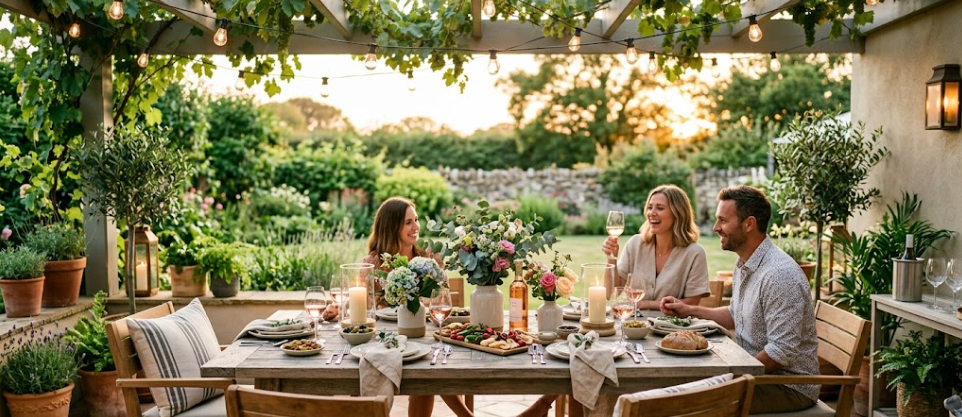
- Factor in your social life: Assess how your home needs to function for guests. You might need flexible seating if you often host big, casual get-togethers or a large functional dining area if formal dinner parties are more your style.
Keep a home journal for a week. Take note of where you instinctively drop your keys, where clutter often accumulates and what parts of your home make you feel happy and at ease.
Map the Flow of Your Home
“Traffic flow” represents the typical pathway people walk through a room or from one room to another. Good home design keeps these paths clear.
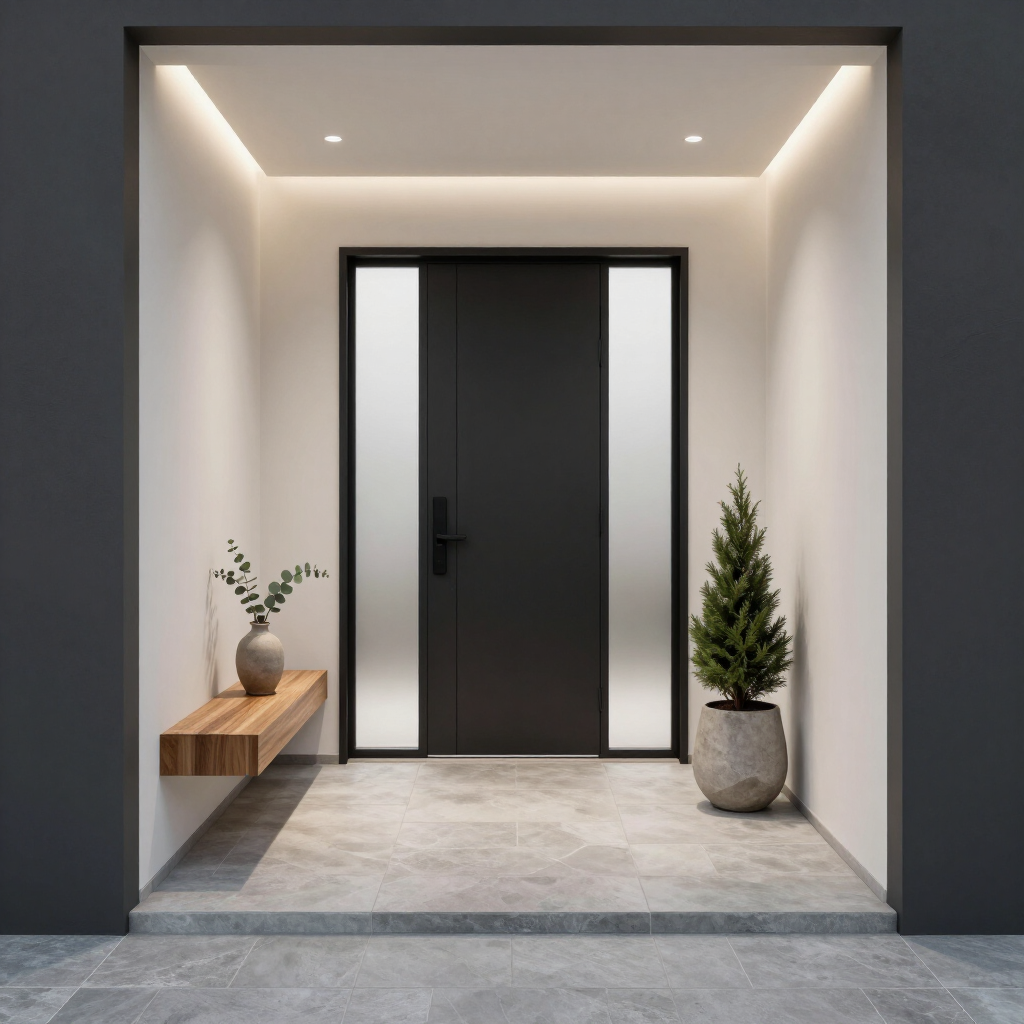
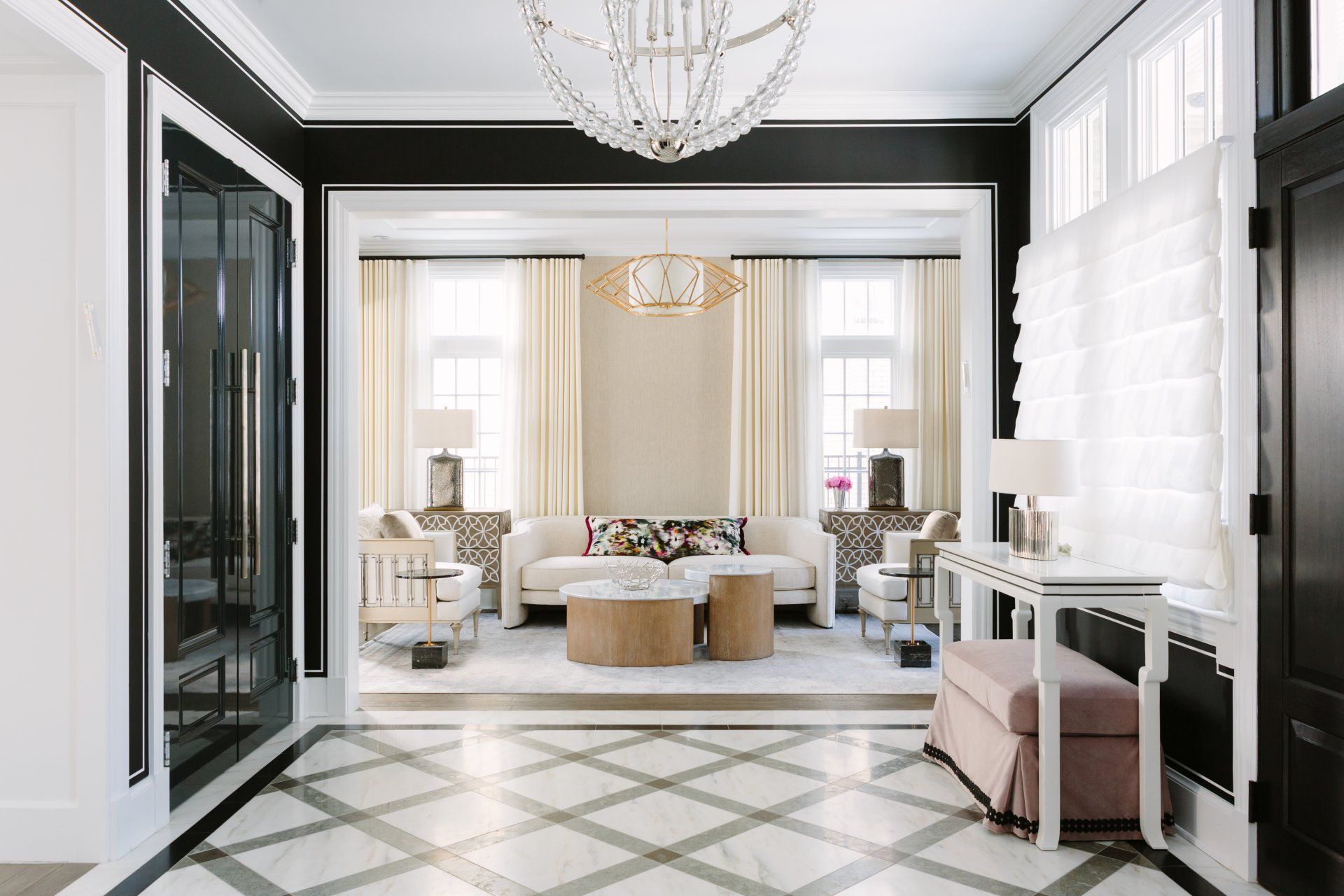
Think of your rooms not as single spaces but as collections of functional zones. For example, every home needs a spot by the main entrance to handle the transition from outside to inside and vice versa. This zone typically includes a place for keys, mail, shoes and coats to prevent them from migrating further into the house.
Make your spaces work harder, especially if you don’t have the luxury of single-use rooms. A dining table can be a homework hub with a small cabinet with school supplies nearby and dimmable overhead lighting that works for both work and meal times.
Choose Finishes and Furniture That Fit Your Lifestyle
Making smart furnishing investments pays off in lower stress and maintenance. Here are the main factors to consider.
Prioritizing Durable Materials
Your lifestyle should dictate your material choices. If you have pets, choosing the right surfaces for flooring, paint and fabrics is key to maintaining a clean and stylish home. Durable, easy-to-clean and scratch-resistant surfaces are best for pet owners and can make life easier.
Semi-gloss or satin paint finishes are also perfect for parents and pet owners, as they’re hard to damage and can be wiped clean. Similarly, furniture with performance fabrics can resist stains, moisture and fading.
Balancing Form and Function
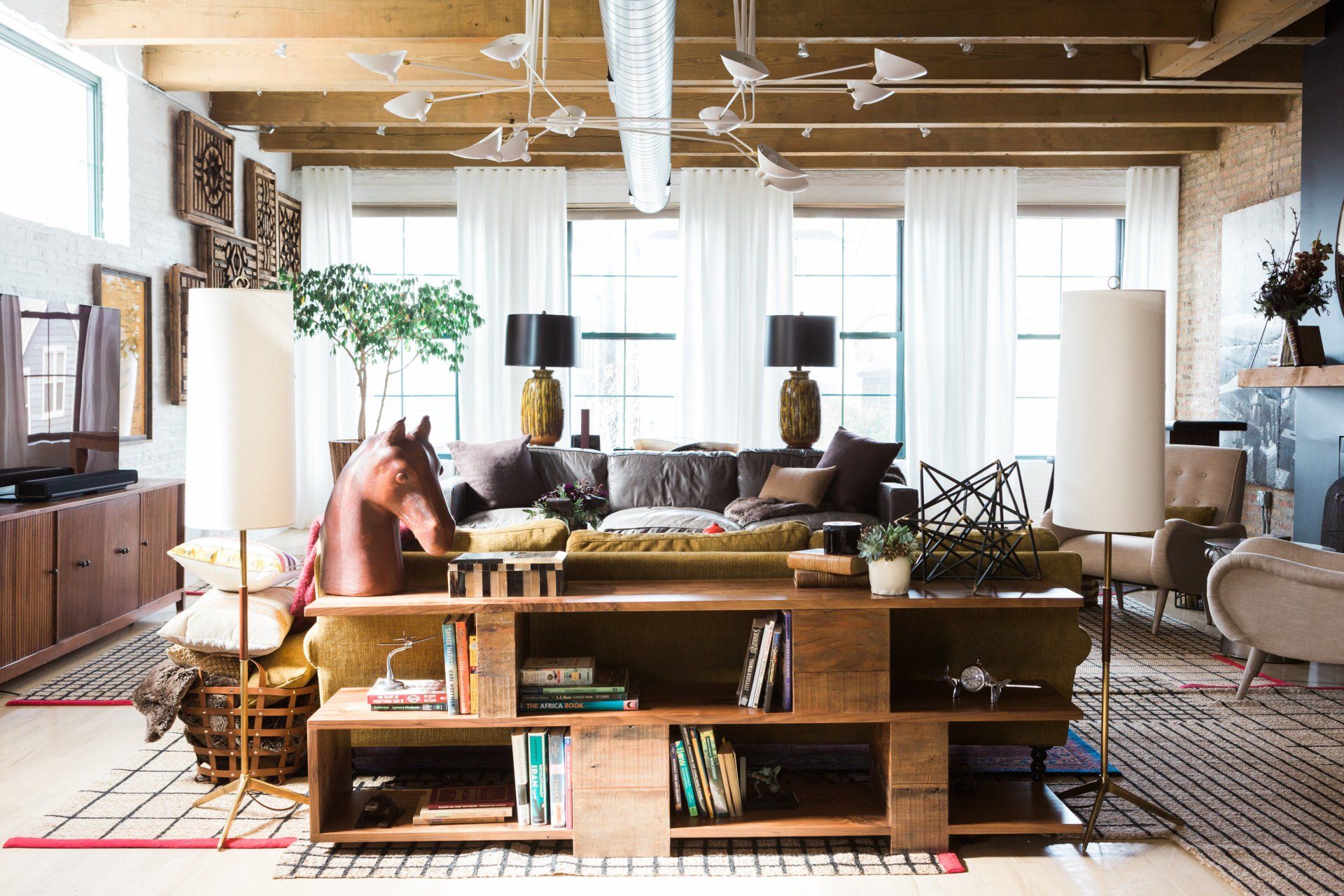
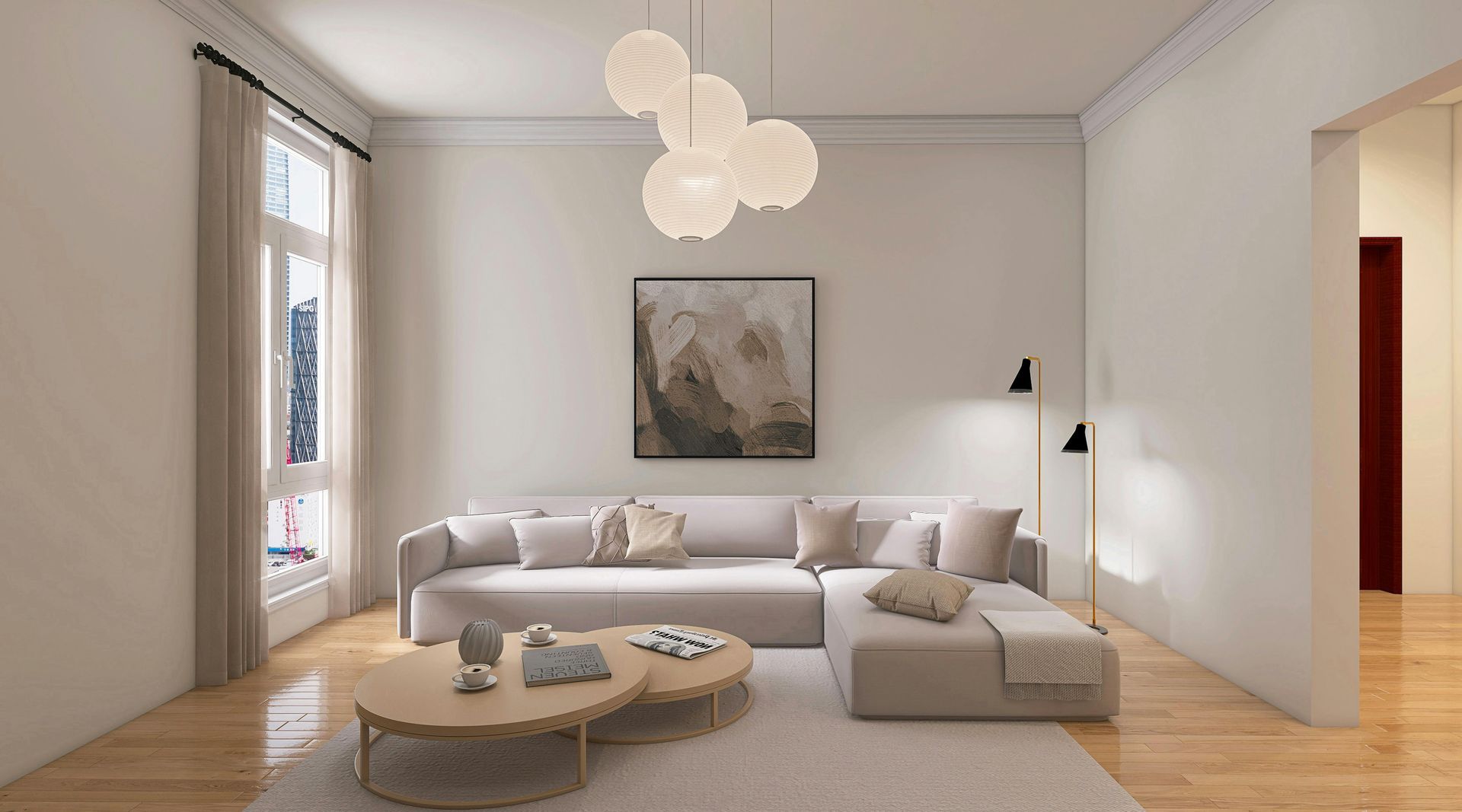
Consider modular sofas and shelving units. You can reconfigure these pieces as your life changes. For example, you can divide a large, modular sectional into two smaller sofas if you move or want sitting areas in two different rooms.
Choose multi-functional pieces, like coffee tables with drawers, lift-tops for hidden storage and entryway benches that double as shoe cubbies. Ensure your furniture choices leave clearance to avoid a cramped or cluttered feeling.
Master Organization for a Calmer Home
Organization creates visual calm and saves time when you’re looking for a particular item. Follow the “a place for everything, and everything in its place” mentality. Items that you use daily should be in the easiest-to-reach cabinets, while seasonal or rarely used things can go in less accessible storage.
Extend your organization throughout your home. Vertical storage takes advantage of your walls,
keeps your floors free and makes it easier to grab your frequently used items. You can also take advantage of another underused space by installing a countertop over front-loading washers or dryers to create a surface for managing laundry.
Infuse Your Personality into the Design
Make your space a true reflection of who you are. Choose colors that influence your mood and energy. For example, green fosters a deeper connection to nature, making it ideal for rooms where you want to relax, like bedrooms and living rooms.
Meaningful items add more “you” and help make your house a home, so display things that hold personal meaning. It can be anything from a gallery wall of candid family photos to a collection of rocks from favorite hikes or a display of cookbooks from a beloved grandparent.
Also, incorporate personal touches to engage your senses. Place a signature-scented candle on your coffee table, drape a soft throw blanket on the sofa or set up smart speakers with a calming playlist ready.
Create a Haven That’s Uniquely Yours
Reflecting your lifestyle in your home is an act of self-care, so move from a house that you simply live in to a home that lives for you. Understand your story and daily flow and tame clutter in every space. Surround yourself with colors and objects you love. Remember that the goal is to create an evolving space that grows with you.